Phase 1 water scheme delivers tangible improvements

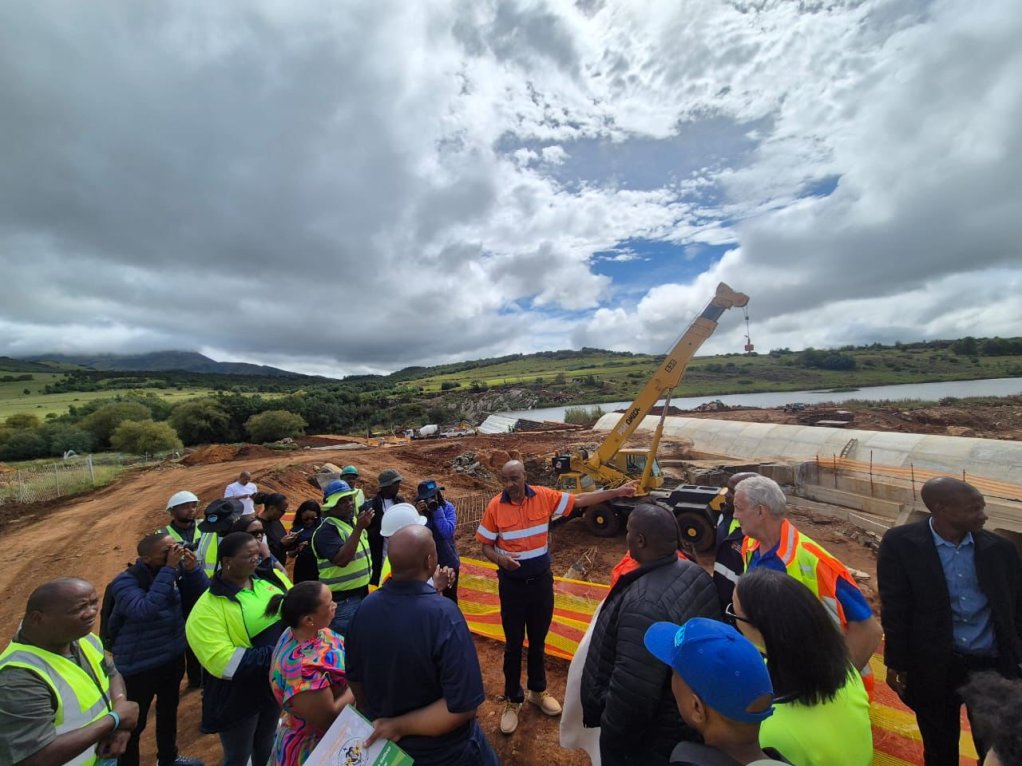
COMMUNITY ENGAGEMENT Ongoing community engagement and local labour participation are fostering a sense of ownership and instilling protection of public infrastructure


As Phase 1 of the Kokstad Water Supply Scheme programme, in the Harry Gwala district municipality, in KwaZulu-Natal, nears completion, completed works have already delivered tangible improvements across the municipality, says engineering consultancy Zimile water business unit head Letlotlo Borane.
The scheme aims to restore water security to the Kokstad, Bhongweni and Shayamoya areas, where there have been severe shortages and interruptions, owing to drought, ageing infrastructure and insufficient raw water supply.
Through a series of integrated interventions led by Zimile, the programme is transitioning from a crisis response to long-term sustainability, with Phase 1 largely complete and expected to be completed within the 2026 calendar year.
Phase 1 focuses on stabilising the water supply system through critical bulk water interventions, including raising the Kempsdale dam wall, bulk pipeline upgrades, pumpstation improvements and additional storage infrastructure for Bhongweni and Shayamoya.
The flagship Kempsdale dam project is currently under construction, valued at about R176-million, and will significantly increase raw water storage capacity and strengthen system resilience. By improving storage and upgrading associated pump infrastructure, the dam will ensure reliable raw water supply to the treatment works, unlocking the full capacity of the 18-million-litre-a-day treatment plant and securing supply in the medium term.
“What is most encouraging is the shift from managing ongoing shortages to building a system that can sustainably meet current and future demand,” says Borane.
Meanwhile, the Bhongweni and Shayamoya projects aim to improve bulk water availability and, ultimately, enhance service delivery at community level.
Construction on the Bhongweni water infrastructure upgrade began in October 2024. The scope encompassed the planning, design and construction monitoring of a 315 mm, high-density polyethylene (HDPE) bulk pipeline and a 2.5-millon-litre pressed steel tank. Following the successful connection of the reservoir to the bulk pipeline, the integrated system was tested, verified and handed over as fully operational.
“The long-term sustainability of the Bhongweni water infrastructure has been a key consideration throughout the planning, design and implementation phases of the project,” Zimile says.
Consequently, several measures have been incorporated to minimise future maintenance risks and reduce the potential for vandalism.
These include durable and modern infrastructure materials, such as HDPE pipelines, to improve pipe reliability and reduce maintenance requirements, alongside overall infrastructure designed to improve operational efficiency and accessibility for maintenance teams.
Security and protection measures to be implemented include controlled access to critical infrastructure sites such as reservoirs and pumpstations.
Further, operational and maintenance training is being provided to municipal personnel to strengthen local capacity, while ongoing community engagement and local labour participation aim to foster a sense of ownership and awareness regarding the protection of public infrastructure.
Meanwhile, construction on the Shayamoya scheme began in January 2025, with practical completion planned for June 30, 2026, with formal handover to follow shortly thereafter.
Structured across two contracts, the scope entails the planning, design and construction monitoring of a 315 mm HDPE bulk pipeline and associated fittings, a 1.5-million-litre pressed steel tank, a booster pumpstation, a 200 mm HDPE bulk pipeline and a one-million-litre pressed steel tank.
At the time of writing, overall site progress was 83%.
“The bulk pipeline network is substantially complete, with remaining works, including the construction of several valve and connection chambers, which have been allocated to local community contractors as part of a deliberate local economic development initiative,” says Zimile.
Both pressed steel tanks have reached structural completion, with the booster pumpstation situated at the 1.5-million-litre reservoir site – designed to pump water to the one-million-litre reservoir and the existing reservoir complex, which is under construction.
Community feedback and operational monitoring have indicated measurable improvements in water supply reliability following the infrastructure upgrades.
“The Kokstad Water Supply Scheme demonstrates the impact that can be achieved when engineering innovation, strategic planning, and collaboration between stakeholders are aligned toward a common goal of improving service delivery,” says Zimile.
Phase 2
The second phase will focus on upgrading and replacing ageing reticulation networks in Bhongweni and Shayamoya, alongside system optimisation initiatives to reduce water losses, improve operational efficiency and strengthen the long-term sustainability of the municipal water network.
As part of the broader infrastructure strategy, about 93.5 km of pipelines have been identified for replacement.
A key objective of Phase 2 is the reduction of nonrevenue water through pipeline replacement, improved network monitoring and enhanced system control. This will reduce physical water losses, improve water accounting and increase billing accuracy, thereby supporting revenue generation and allowing for greater reinvestment into service delivery infrastructure.
Funding discussions with relevant stakeholders, including the Department of Water and Sanitation, are ongoing. While funding applications and technical motivations have been prepared, final budget allocations and implementation timelines remain subject to municipal and departmental approval.
“Zimile continues to support the municipality through technical planning, business case preparation and funding facilitation processes to ensure that future phases can be implemented as funding becomes available,” Zimile concludes.
Article Enquiry
Email Article
Save Article
Feedback
To advertise email advertising@creamermedia.co.za or click here
Research Reports

Projects

Latest Multimedia

Latest News

Showroom
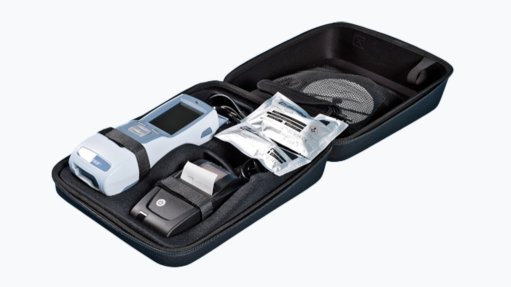
Developed to exceed the latest EN 15964 standards for police breathalysers proving that it will remain accurate and reliable for many years to come.
VISIT SHOWROOM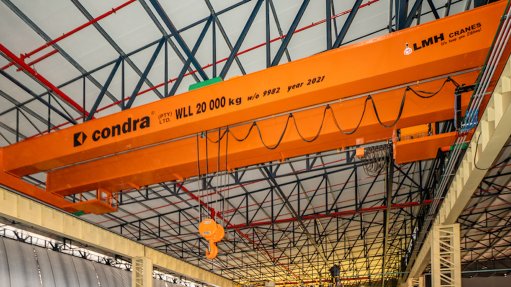
ISO-certified Condra manufactures overhead cranes, portal cranes, cantilever cranes and crane components: hoists, drives, end-carriages, brakes and...
VISIT SHOWROOM

Press Office
Announcements
What's On
Subscribe to improve your user experience...
Option 1 (equivalent of R125 a month):
Receive a weekly copy of Creamer Media's Engineering News & Mining Weekly magazine
(print copy for those in South Africa and e-magazine for those outside of South Africa)
Receive daily email newsletters
Access to full search results
Access archive of magazine back copies
Access to Projects in Progress
Access to ONE Research Report of your choice in PDF format
Option 2 (equivalent of R375 a month):
All benefits from Option 1
PLUS
Access to Creamer Media's Research Channel Africa for ALL Research Reports, in PDF format, on various industrial and mining sectors
including Electricity; Water; Energy Transition; Hydrogen; Roads, Rail and Ports; Coal; Gold; Platinum; Battery Metals; etc.
Already a subscriber?
Forgotten your password?
Receive weekly copy of Creamer Media's Engineering News & Mining Weekly magazine (print copy for those in South Africa and e-magazine for those outside of South Africa)
➕
Recieve daily email newsletters
➕
Access to full search results
➕
Access archive of magazine back copies
➕
Access to Projects in Progress
➕
Access to ONE Research Report of your choice in PDF format
RESEARCH CHANNEL AFRICA
R4500 (equivalent of R375 a month)
SUBSCRIBEAll benefits from Option 1
➕
Access to Creamer Media's Research Channel Africa for ALL Research Reports on various industrial and mining sectors, in PDF format, including on:
Electricity
➕
Water
➕
Energy Transition
➕
Hydrogen
➕
Roads, Rail and Ports
➕
Coal
➕
Gold
➕
Platinum
➕
Battery Metals
➕
etc.
Receive all benefits from Option 1 or Option 2 delivered to numerous people at your company
➕
Multiple User names and Passwords for simultaneous log-ins
➕
Intranet integration access to all in your organisation