From generator to recovery: How South Africa manages used oil

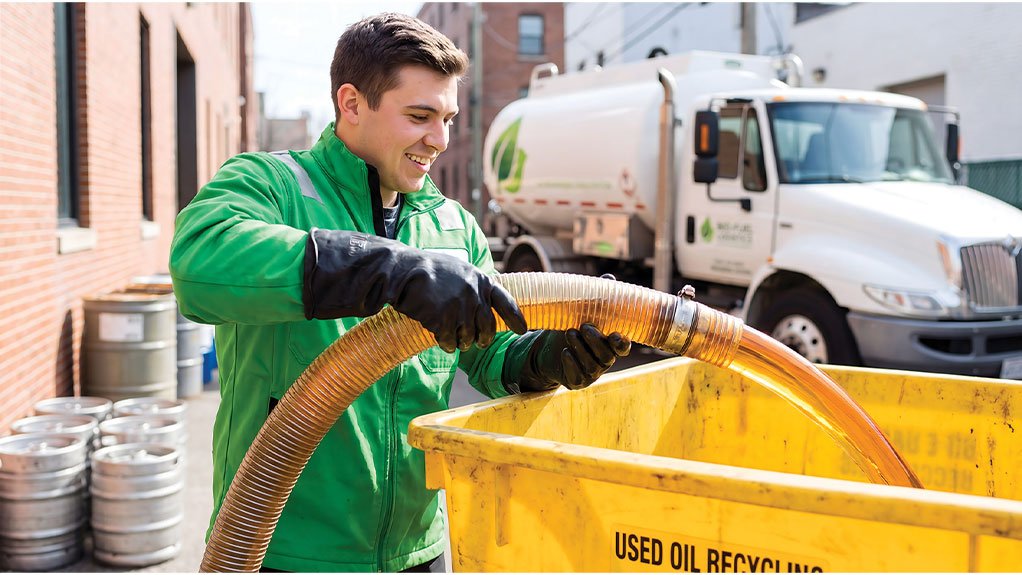



Lubricating oil plays a critical role in modern industry. It keeps engines running, reduces friction in machinery and helps maintain the performance of equipment across sectors ranging from mining and manufacturing to transport, agriculture and construction.
Yet every litre of lubricating oil eventually reaches the end of its useful life.
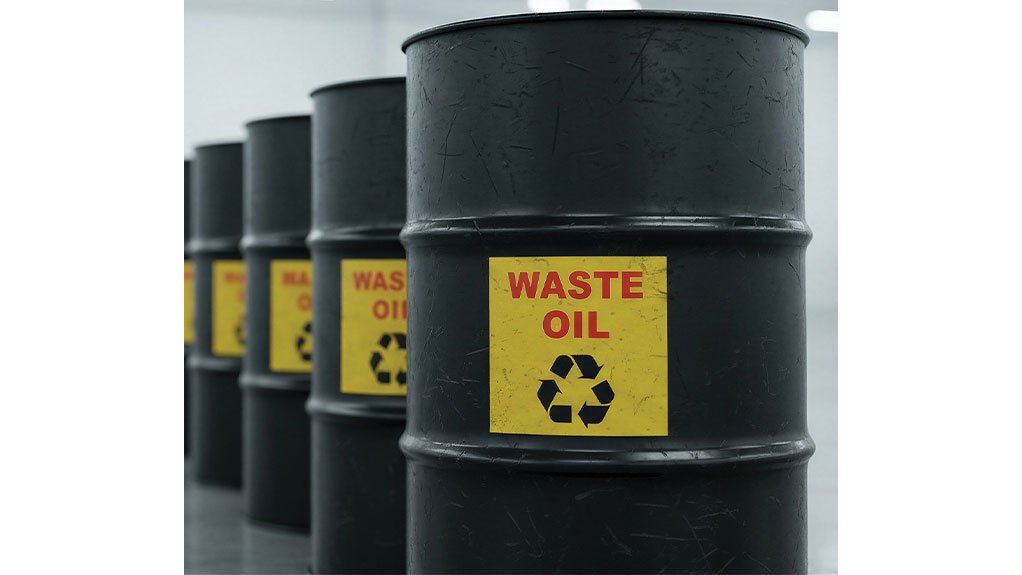
What happens next is an issue that affects far more than environmental compliance. Used oil is classified as hazardous waste and, if not managed correctly, can contaminate soil and water resources, create operational risks and undermine broader sustainability objectives.
South Africa generates substantial volumes of used oil every year. According to the Recycling Oil Saves the Environment (ROSE) Foundation, about 350-million litres of lubricating oil are sold yearly, with about 150-million litres eventually becoming used oil. Of that, roughly 120-million litres is considered collectable for recycling.
For more than three decades, ROSE has coordinated an industry-led response to this challenge. Established in 1994, the organisation serves as the lubricants industry’s Extended Producer Responsibility scheme and has helped keep more than 1.5-billion litres of used lubricant oil out of the environment.
An Industry Solution to an Industry Challenge
The origins of ROSE date back to a significant shift in South Africa’s used-oil landscape.
Prior to the foundation’s establishment, government support helped subsidise the re-refining of used oil back into lubricating oil. When that support was withdrawn, the country’s major lubricant manufacturers recognised the need for a coordinated approach to prevent the dumping and burning of used oil.
The result was the establishment of the ROSE Foundation.
Over the years, ROSE members have invested more than R100-million in initiatives that support responsible used-oil management, including collection infrastructure, storage depots, environmental awareness programmes and industry development.
“ROSE was created because the lubricants industry recognised that used oil required a structured, long-term solution,” says ROSE Foundation CEO Bubele Nyiba. “More than 30 years later, that collaborative approach continues to play an important role in protecting the environment while supporting the responsible recovery of used oil.”
Today, the organisation works with generators, collectors, processors, regulators and other stakeholders across the value chain to support the collection and recovery of used oil throughout South Africa.
How the Recovery System Works
The recovery of used oil depends on a network of generators, collectors, transporters and processors working together.
Generators include businesses and organisations that produce used oil through their operations. These range from mines, factories and engineering workshops to transport fleets, agricultural businesses and construction companies.
Once collected, used oil is transported by licensed collectors to approved processors and recovery facilities. Depending on the recovery pathway, processors use a range of treatment processes to remove contaminants and prepare used oil for further use.ROSE supports this network through industry coordination, guidance, standards, awareness initiatives and support for accredited collectors and processors.Together, these activities help ensure that used oil is directed into recognised recovery streams rather than being disposed of irresponsibly.This infrastructure has helped build a national used-oil collection system and contributed significantly to reducing environmental pollution associated with improper disposal.
Generator Responsibilities
While collectors and processors play important roles, effective used-oil management starts at the point of generation.
Industrial organisations have a responsibility to ensure that used oil is stored, handled and collected appropriately before it leaves a site. Practical measures include storing used oil in suitable, clearly identified containers and preventing contamination with other waste streams. Using secure storage areas designed to minimise spills and leaks and working with licensed or accredited collectors are other measures that can be employed, alongside maintaining relevant collection and disposal documentation.
These actions help reduce environmental risk while supporting compliance with applicable waste-management requirements.
In larger industrial environments, used-oil management often forms part of broader environmental management systems and operational procedures. Storage areas should be designed to minimise the risk of spills and leaks, while employees and contractors should understand the requirements for handling used oil safely.
Regular inspections, clear responsibilities and good housekeeping practices can help organisations identify potential risks before they become environmental or operational problems. These measures also help ensure that used oil remains suitable for collection and recovery.
The importance of proper handling should not be underestimated. According to ROSE, a single litre of used oil has the potential to contaminate up to one-million litres of water.
“Good used-oil management starts long before a collector arrives on site,” says Nyiba. “Storage, handling and record-keeping all contribute to ensuring that used oil is managed safely and responsibly.”
For operations that manage large fleets, heavy machinery or industrial equipment, these processes form an important part of broader environmental and operational management systems.
Recovering Value From a Waste Stream
Although used oil has reached the end of its original purpose, it still retains value.
Through a range of treatment and recovery processes, contaminants can be removed and used oil can be directed into various recovery pathways.
Most used oil collected in South Africa is recycled as industrial heating fuel, while some is re-refined into base oil. Associated waste streams, including used oil filters, oily rags and oil-soaked absorbent materials, can also be managed through approved recovery and disposal processes.
Recovery helps reduce the volume of material requiring disposal while extracting further value from a resource that has already served its original purpose. For industries that are increasingly focused on efficiency and resource management, extending the productive life of materials wherever possible is becoming an important consideration.
Through appropriate recovery processes, materials that might otherwise be treated solely as waste can remain in productive use rather than becoming pollutants or requiring disposal, supporting broader resource-efficiency objectives.
Looking Ahead
Used oil will remain an unavoidable by-product of industrial activity. Ensuring it is collected and recovered responsibly will continue to be an important operational and environmental priority.
Mining, engineering, manufacturing and transport businesses all depend on lubricants to keep equipment operating effectively. That reliance brings with it a responsibility to ensure that used oil is managed appropriately once its useful life has ended.
For ROSE, the focus remains on strengthening collection systems, supporting collectors and processors, expanding awareness and ensuring that as much used oil as possible is recovered through recognized channels.
“The success of used-oil recovery depends on collaboration across the value chain,” says Nyiba. “Generators, collectors, processors and industry stakeholders all have a role to play in ensuring that used oil is managed responsibly and that valuable resources are recovered wherever possible.”
More than three decades after its establishment, ROSE continues to provide the framework through which industry can work together to address one of the country’s most common hazardous waste streams. In doing so, it helps ensure that yesterday’s oil does not become tomorrow’s environmental problem.
Article Enquiry
Email Article
Save Article
Feedback
To advertise email advertising@creamermedia.co.za or click here
Research Reports

Projects


Latest Multimedia

Latest News
Showroom

Stewarts & Lloyds is a leading steel, tube, and engineering product supplier in South Africa.
VISIT SHOWROOM
We at Hawk High Pressure Pumps specialise in industrial pumps and pumping systems. Our high pressure washing equipment is locally manufactured and...
VISIT SHOWROOM


Press Office
Announcements
What's On
Subscribe to improve your user experience...
Option 1 (equivalent of R125 a month):
Receive a weekly copy of Creamer Media's Engineering News & Mining Weekly magazine
(print copy for those in South Africa and e-magazine for those outside of South Africa)
Receive daily email newsletters
Access to full search results
Access archive of magazine back copies
Access to Projects in Progress
Access to ONE Research Report of your choice in PDF format
Option 2 (equivalent of R375 a month):
All benefits from Option 1
PLUS
Access to Creamer Media's Research Channel Africa for ALL Research Reports, in PDF format, on various industrial and mining sectors
including Electricity; Water; Energy Transition; Hydrogen; Roads, Rail and Ports; Coal; Gold; Platinum; Battery Metals; etc.
Already a subscriber?
Forgotten your password?
Receive weekly copy of Creamer Media's Engineering News & Mining Weekly magazine (print copy for those in South Africa and e-magazine for those outside of South Africa)
➕
Recieve daily email newsletters
➕
Access to full search results
➕
Access archive of magazine back copies
➕
Access to Projects in Progress
➕
Access to ONE Research Report of your choice in PDF format
RESEARCH CHANNEL AFRICA
R4500 (equivalent of R375 a month)
SUBSCRIBEAll benefits from Option 1
➕
Access to Creamer Media's Research Channel Africa for ALL Research Reports on various industrial and mining sectors, in PDF format, including on:
Electricity
➕
Water
➕
Energy Transition
➕
Hydrogen
➕
Roads, Rail and Ports
➕
Coal
➕
Gold
➕
Platinum
➕
Battery Metals
➕
etc.
Receive all benefits from Option 1 or Option 2 delivered to numerous people at your company
➕
Multiple User names and Passwords for simultaneous log-ins
➕
Intranet integration access to all in your organisation