



Commodity slump forces Aus mines to seek specialised labour

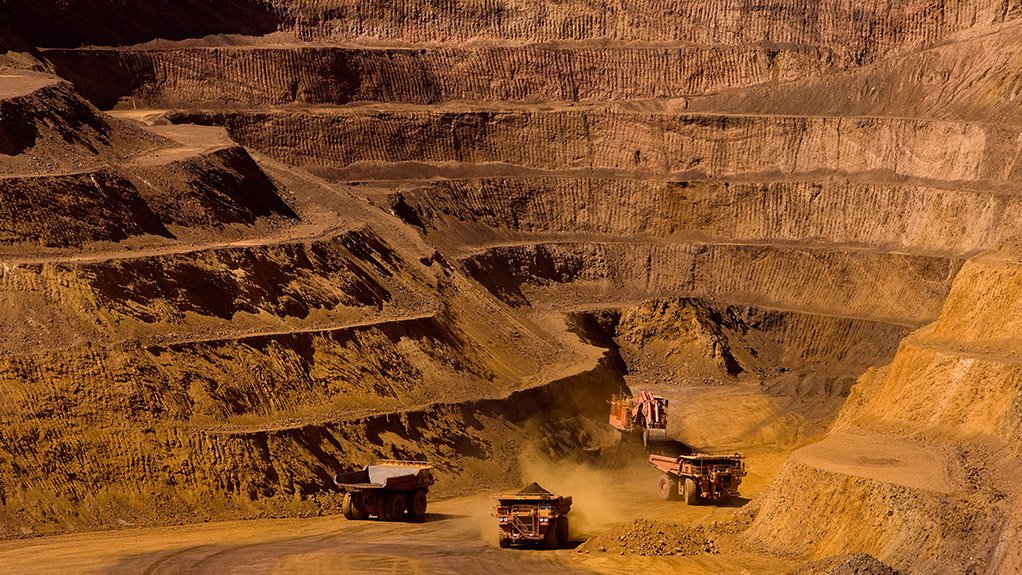
SURVIVING THE SLUMP Many Australian mines are undergoing significant structural changes to remain profitable during the current low commodity-price market


To relieve operational strain, drive process improvements and effectively implement cost-reduction strategies, Australia’s mining companies are increasingly employing specialised and highly skilled contract staff, says LSE-listed recruitment company Hays resources and mining regional director Chris Kent.
He adds that many of the country’s mining operations are undergoing significant structural changes to remain profitable during the current low commodity-price market.
“In the past 12 months, major producers have been looking to their operations for the majority of their cost savings. However, with many new projects having been commissioned, attention is turning to the reduction of wages. To do this, employers are converting a costly casual workforce into a more sustainable and secure, but ultimately lower-salaried permanent workforce,” Kent explains.
Western Australia’s iron-ore market has made significant progress to move from construction to production, he states, adding that high-cost producers are finding it increasingly difficult to remain in the black, while major low-cost producers are consistently reporting record production numbers to offset the reduced profitability of the low commodity prices.
Meanwhile, there has been increased exploration activity in the gold sector in Western Australia, and recent acquisitions make this the sector to watch in 2015 for job creation, Kent points out.
“There are some new jobs in Western Australia, particularly at start-up mines, which are recruiting completely new teams, but these are mostly small-scale gold projects.”
Kent also notes that permanent job opportunities in the region have been rare in the past, warning that those on offer now come with smaller pay cheques, particularly those in health and safety.
He highlights that Western Australian mines are focusing on employing people for “essential roles, statutory positions and production-focused jobs”. Kent adds that Hays has noticed a trend of contract-to-permanent recruitment, which affords companies the opportunity to best take advantage of their current contract labour pool and offer only the best candidates permanent positions.
However, he points out that while there is a “perceived large pool of candidates”, there is a skills shortage of personnel in specialised roles necessary to ensure safe production at mines.
“Given that employers are focusing on like-for-like or upgraded skills, this shortage of specialised candidates has lengthened the recruitment process,” Kent notes.
Queensland
Unlike in Western Australia, permanent wages for production workers have dropped in Queensland, in the north-east of the continent, Kent says, adding that, while many are hopeful that the coal sector will either stabilise or improve slightly this year, the status quo regarding unemployment in the sector is likely to remain.
Kent notes that there are increased employment opportunities in Queensland for individuals who have recently completed medical and induction tests, and are prepared to work on drive-in drive-out (Dido) rosters, which he suspects will remain prevalent.
“Often, Dido contracts result in permanent positions, particularly in areas such as reliability and maintenance planning, as well as brownfield mine engineering.”
Kent highlights that employment remains steady in the Mount Isa region; however, mines in that region prefer to hire locally-based staff to the exclusion of fly-in fly-out (Fifo) agreements.
Meanwhile, in the Bowen basin of eastern Queensland, temporary vacancies for operational roles have increased, as employers aim to recruit more staff to operate new trucks and machinery to meet higher production targets.
“We are also seeing short-term contract opportunities being extended into ongoing opportunities for candidates once they have proven themselves. Contract rates have increased slightly and are expected to now remain stable for the rest of the calendar year,” Kent says of Queensland’s mining industry, adding that employers in the state are prepared to cast their nets further to secure the talent necessary to improve processes and strategies.
South Australia
The lack of new mining projects in South Australia has significantly increased demand for individuals who have brownfield maintenance experience.
Kent points out that candidates with process improvement skills will be highly sought after by mining companies, as in other Australian mining states, but adds that “declining wages in other mining regions might enable South Australia to hold onto its talent and be more competitive, as the best candidates will seek long-term employment, which we expect organisations will respond to by offering job security rather than wage growth, after several years of uncertainty in the state”.
He adds that most mining companies in the state are, like many in other Australian states, still aiming to limit costs and consolidate operations and, as such, are hiring temporary staff to cover peak workloads and employing locals on a part-time basis to eliminate Fifo costs.
New South Wales
Kent points out that there has been increased exploration activity in the mid-western region of New South Wales (NSW), which has resulted in “some positive news on gold assets”.
However, coal miners are expected to be some of the first to see benefit from stability or even growth this year in Australia, since this sector was the first to experience a downturn because of declining commodity prices.
“We expect cautious optimism, in line with the broader economy, in Australia’s most populated state, and this will likely impact positively on salaries in specific commodities such as gold,” Kent says.
He notes that mines in NSW will continue to focus on temporary recruitment during the current high levels of construction taking place in the state, as “employers still value workforce flexibility”, but adds that
the recruitment process remains lengthy, which can lead to employers “losing out” on preferred candidates.
Kent says employment levels have started to decrease in NSW as people are seeking employment in other industries.
Northern Territory
Mining activity in the Northern Territory has slowed significantly, following a number of large mining operations being placed on care and maintenance, as well as other mining operations cutting costs to remain profitable during the current low commodity market.
Kent expects that the trends in the larger states will also manifest in the Northern Territory, as well as Victoria and Tasmania. “As these areas ride the wave of global price volatility for their respective commodities, salaries will remain steady in these provinces and territories and new jobs will be scarce,” he concludes.
Article Enquiry
Email Article
Save Article
Feedback
To advertise email advertising@creamermedia.co.za or click here
Research Reports

Projects

Latest Multimedia
Latest News
Showroom

SafeQuip is a leading distributor and manufacturer of fire safety solutions, offering a comprehensive range of products designed to meet all...
VISIT SHOWROOM
The Beneficiation Academy is a certified training institution that follows all compliance legislation and is accredited with various Sector...
VISIT SHOWROOM


Press Office
Announcements
What's On
Subscribe to improve your user experience...
Option 1 (equivalent of R125 a month):
Receive a weekly copy of Creamer Media's Engineering News & Mining Weekly magazine
(print copy for those in South Africa and e-magazine for those outside of South Africa)
Receive daily email newsletters
Access to full search results
Access archive of magazine back copies
Access to Projects in Progress
Access to ONE Research Report of your choice in PDF format
Option 2 (equivalent of R375 a month):
All benefits from Option 1
PLUS
Access to Creamer Media's Research Channel Africa for ALL Research Reports, in PDF format, on various industrial and mining sectors
including Electricity; Water; Energy Transition; Hydrogen; Roads, Rail and Ports; Coal; Gold; Platinum; Battery Metals; etc.
Already a subscriber?
Forgotten your password?
Receive weekly copy of Creamer Media's Engineering News & Mining Weekly magazine (print copy for those in South Africa and e-magazine for those outside of South Africa)
➕
Recieve daily email newsletters
➕
Access to full search results
➕
Access archive of magazine back copies
➕
Access to Projects in Progress
➕
Access to ONE Research Report of your choice in PDF format
RESEARCH CHANNEL AFRICA
R4500 (equivalent of R375 a month)
SUBSCRIBEAll benefits from Option 1
➕
Access to Creamer Media's Research Channel Africa for ALL Research Reports on various industrial and mining sectors, in PDF format, including on:
Electricity
➕
Water
➕
Energy Transition
➕
Hydrogen
➕
Roads, Rail and Ports
➕
Coal
➕
Gold
➕
Platinum
➕
Battery Metals
➕
etc.
Receive all benefits from Option 1 or Option 2 delivered to numerous people at your company
➕
Multiple User names and Passwords for simultaneous log-ins
➕
Intranet integration access to all in your organisation
