



Bill raising drinking age to 21 in SA to be published for public comment

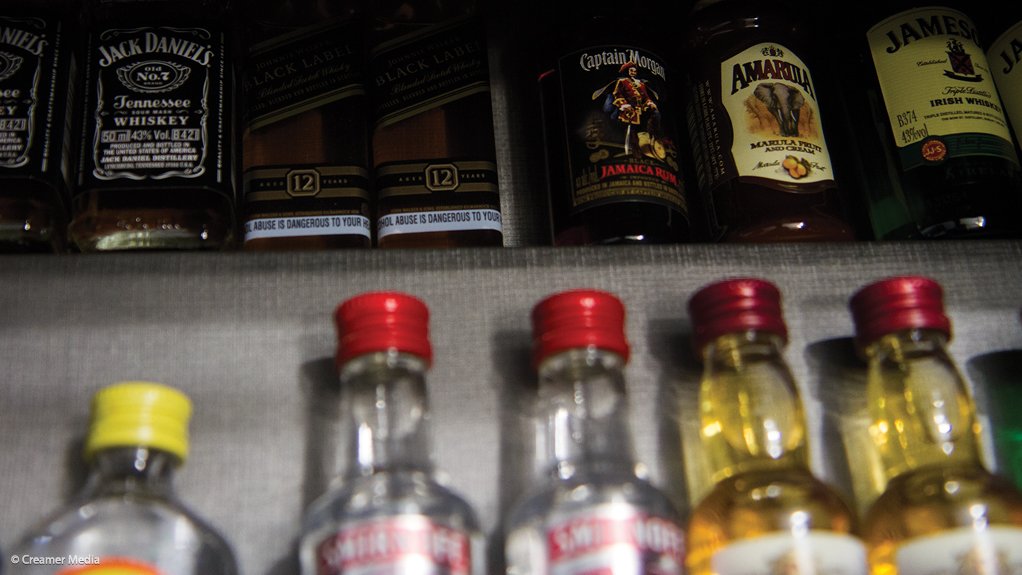


Proposed amendments to the National Liquor Act which is now open for public comment include raising the age of drinking to 21 in South Africa and introduces civil liability for proprietors, suppliers and manufacturers who serve to people who cause accidents or commit crimes while intoxicated, Trade and Industry Minister Rob Davies said on Monday.
Briefing journalists in Parliament on the National Liquor Amendment Bill and the liquor policy paper, Davies said the the public would have 45 days from Monday to provide input on several proposals in the two documents.
“We are looking for a reaction from the society and the first proposal we are putting forward is that the legal drinking age be raised from 18 to 21,” the minister said, adding that the bill cited evidence that this measure could be effective in curbing alcohol abuse.
“The first is that it is a physiological argument which is saying there is evidence that the brain does not fully develop until the mid twenties in fact, and that when the brain is not yet fully developed the impact on the brain of alcohol abuse is much more severe than it is on the fully developed brain…”
Evidence from other countries where the drinking age was increased also showed that the the consequences of alcohol abuse, such as road crashes had gone down, said Davies.
The minister said while criminal liability existed to tackle the illegal trade in alcohol, it had been traditionally hard to enforce, compelling government to consider introducing civil liability.
“Manufacturers and suppliers who supply to illegal or unlicenced outlets, if from the consumption in those unlicenced outlets there is damage caused, the manufacturers and suppliers, the wholesalers if you like, the onus will shift [to them] and they will have to show…they took reasonable steps to ensure that their product was not supplied to the unlicenced outlets that were responsible for them,” said Davies.
This means that if any damage is caused by a person who became intoxicated at an illegal outlet, victims, communities or even the State can now sue the suppliers of these drinking holes.
Serving alcohol to a person who is already visibly intoxicated can also land you in hot water, said Davies.
“If that happens and that person goes out and commits some sort of an offence outside that is involving costs, then the same thing will happen. The supplier to that person will be obliged to show why they should not bear the civil liability in this particular case.”
The bill also sets some limits on alcohol advertising, including a blanket ban on advertising targeting young people, and no billboards at any transport facilities and garages.
“Any adverts will have to indicate the harmful effects of alcohol,” said Davies.
New norms and standards will also be introduced so provinces, who are responsible for registering liquor outlets and shebeens, can adhere to it. Some of the norms and standards include that no new licences will be given to outlets located closer than 500 metres from schools, recreational centres or places of worship.
Davies said while the alcohol industry was a significant contributor to GDP, export earnings and to employment, it had to be regulated strictly as it had caused significant societal problems.
These included the fact that South Africa has one of the highest incidences of foetal alcohol syndrome (FAS). There are approximately one million people in the country with FAS, while another five million people have some damage caused by excessive alcohol consumption, said Davies.
Over 40 percent of all injuries, and 46 percent of all non-natural deaths concern people who “had alcohol levels above the legal limit for driving”.
Studies showed that 60 percent of South Africans consumed alcohol, compared to the world average of 52 percent. The average drinker in South Africa consumes between 10 and 12.4 litres of alcohol compared to the global average of 6.2 litres.
“Business as usual is not going to crack it. Business as usual is not making it better, it’s actually making it worse,” said Davies.
“What we are presenting here is a set of ideas, a set of proposals which we would like to see a full-on national debate around this very important question.”
Article Enquiry
Email Article
Save Article
Feedback
To advertise email advertising@creamermedia.co.za or click here
Research Reports

Projects
Latest Multimedia
Latest News
Showroom

Complete range of security sealing solutions including security seals bags and labels.
VISIT SHOWROOM
CSIR International Convention Centre (CSIR ICC) - the leading conference and events venue in Pretoria/Tshwane.
VISIT SHOWROOM
Press Office
Announcements
What's On
Subscribe to improve your user experience...
Option 1 (equivalent of R125 a month):
Receive a weekly copy of Creamer Media's Engineering News & Mining Weekly magazine
(print copy for those in South Africa and e-magazine for those outside of South Africa)
Receive daily email newsletters
Access to full search results
Access archive of magazine back copies
Access to Projects in Progress
Access to ONE Research Report of your choice in PDF format
Option 2 (equivalent of R375 a month):
All benefits from Option 1
PLUS
Access to Creamer Media's Research Channel Africa for ALL Research Reports, in PDF format, on various industrial and mining sectors
including Electricity; Water; Energy Transition; Hydrogen; Roads, Rail and Ports; Coal; Gold; Platinum; Battery Metals; etc.
Already a subscriber?
Forgotten your password?
Receive weekly copy of Creamer Media's Engineering News & Mining Weekly magazine (print copy for those in South Africa and e-magazine for those outside of South Africa)
➕
Recieve daily email newsletters
➕
Access to full search results
➕
Access archive of magazine back copies
➕
Access to Projects in Progress
➕
Access to ONE Research Report of your choice in PDF format
RESEARCH CHANNEL AFRICA
R4500 (equivalent of R375 a month)
SUBSCRIBEAll benefits from Option 1
➕
Access to Creamer Media's Research Channel Africa for ALL Research Reports on various industrial and mining sectors, in PDF format, including on:
Electricity
➕
Water
➕
Energy Transition
➕
Hydrogen
➕
Roads, Rail and Ports
➕
Coal
➕
Gold
➕
Platinum
➕
Battery Metals
➕
etc.
Receive all benefits from Option 1 or Option 2 delivered to numerous people at your company
➕
Multiple User names and Passwords for simultaneous log-ins
➕
Intranet integration access to all in your organisation
