



Africa regarded more positively by investors – investment specialist

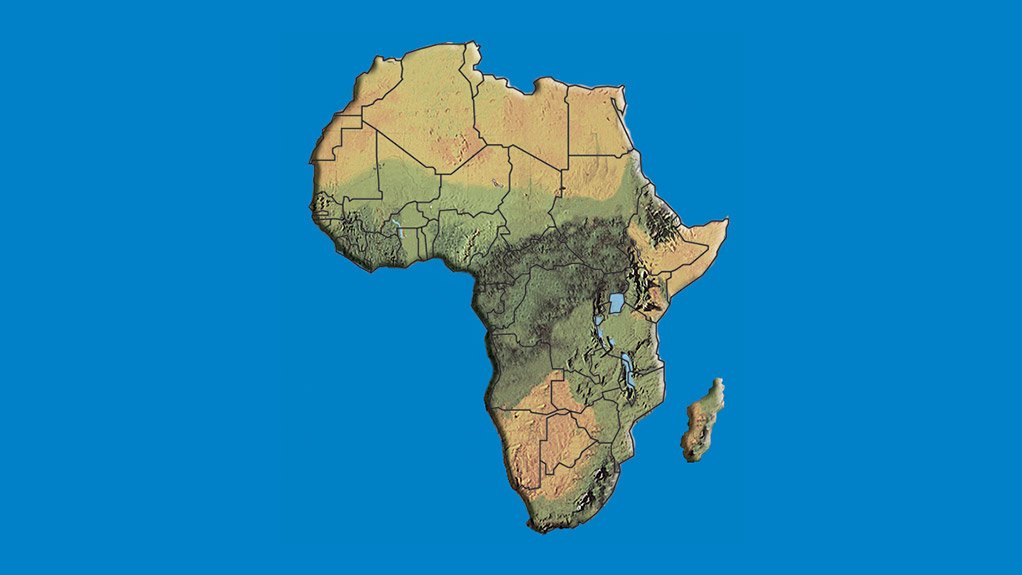
IMPROVED PERCEPTION OF AFRICA The theme of Omega Investment Research’s most recent Euro-African conferences was Africa’s Time to Shine is Now
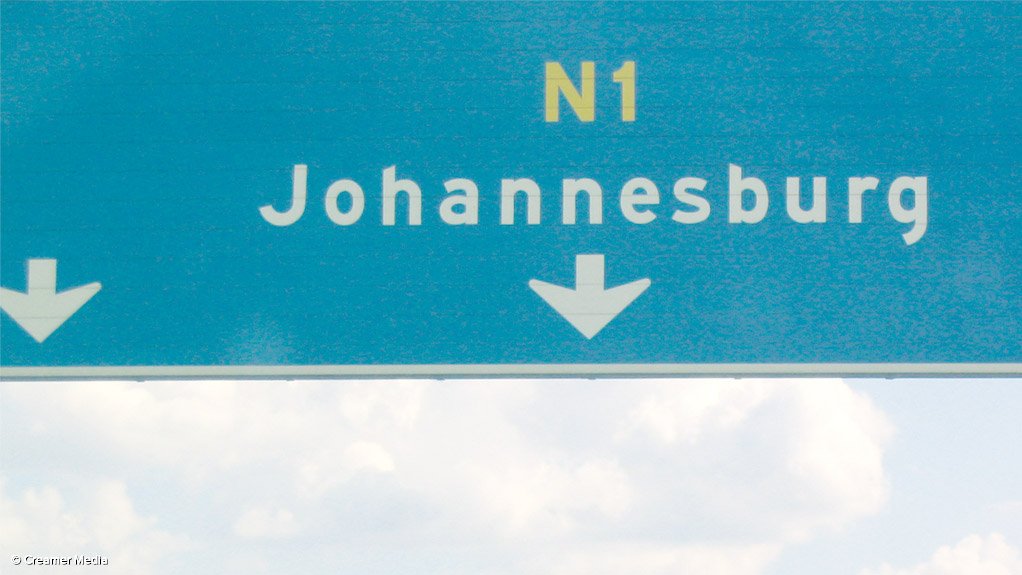
DIMINISHED IMPORTANCE Nairobi, in Kenya; Lagos, in Nigeria; and Abidjan, in Côte d'Ivoire, are regarded in the same light as Johannesburg by foreign investors
Photo by Duane Daws



Despite investing in Africa remaining a challenge because of issues, such as armed conflicts, corruption and a lack of stability in many areas, there was a much better understanding of Africa’s diversity, stated international marketing and investment promotion company Omega Investment Research chairperson Dr Denis Worrall last month.
Investors no longer regard Africa as a homogenous continent, as foreign investors have, although somewhat belatedly, realised that Africa comprises 54 independent countries that, although vastly different, share fundamental commonalities with regard to attracting investments, tourists and new business initiatives.
Worrall, who was a guest speaker at a breakfast hosted by the South African Institute of Steel Construction at the Country Club Johannesburg, in Auckland Park, Johannesburg, added that Africa’s improved image in the eyes of investors was helping to attract more investment.
He pointed out that Omega Investment Research had organised many Euro-African conferences in various countries since its establishment in 2000.
Worrall noted that the theme of the company’s most recent Euro-African conferences earlier this year, in London, in the UK, and in Munich, Germany, was ‘Africa’s Time to Shine is Now’.
“We have seldom experienced such a positive response to such an African investment conference and we are incredibly delighted with the response to these conferences,” he reported.
SA Loses Lustre
Further, Worrall pointed out that, ten years ago, South Africa was regarded as the gateway to Africa, with Johannesburg as the central access point for foreign investment to the rest of the continent.
“This is no longer the case, as Nairobi, in Kenya, Lagos, in Nigeria, and Abidjan, in Côte d'Ivoire, are regarded in the same light as Johannesburg by foreign investors,” he noted.
Worrall added that Africa’s expected economic growth of 5.5% for this year is impressive, “compared with the sickly European economy and even that of the US”.
He said the main reasons for Africa’s growth were because of its abundance of natural resources and the price and demand for these resources being strongly driven by China, as well as all other major developing countries’ phenomenal growth requiring Africa’s resources to build infrastructure.
“Another reason for Africa’s growth can be attributed to the high standards of many African countries’ macroeconomic management policies, which have improved dramatically in recent years, as has the standard of many African governments’ economic leadership,” Worrall highlighted.
Additionally, he noted that Africa’s sustained growth was partially a result of the low debt levels of many of the countries on the continent, compared with those of many European Union (EU) countries and that of the US.
Worrall pointed out that these reasons all contributed to perceptions of Africa having changed, resulting in increasing investment and business appetite.
He quoted former US ambassador to South Africa Donald Gips, who said that the rising prosperity in Africa would open new markets for American goods and create jobs in both regions: “More and more people understand that the twenty-first century will be an African Century.”
However, Worrall said that a critical factor for Africa was greater regional integration.
He noted that a leading international accounting firm had concluded that the single biggest priority for Africa over the next decade should be the acceleration of the regional integration among African countries.
“Simply put, if this integration process does not intensify, Africa will remain structurally marginalised in the global economy and African countries will struggle to attract a greater share of foreign investment,” according to the firm.
Worrall stressed that African integration was required for several reasons, including to foster inter-African regional trade, encourage infrastructural projects of scale between different countries and facilitate investment of scale across borders, as well as to project an inviting image to potential investors.
“Building regionalisation is not being undertaken from scratch, as a regional integration process has been on the agenda even before the 1991 Abuja treaty divided the continent into five regional areas of Northern, Southern, Western, Eastern and Central Africa he said.
Worrall explained that this regional allocation was formulated in preparation for the establishment of the combined African Economic Community in six phases over 34 years.
“The ultimate result – ambitiously envisaged – would be an economic union with a common currency, the full mobility of factors of production and free trade among all countries on the continent. Achieving something similar to the EU is obviously very ambitious and, while some progress has been made in creating regional blocs, much more needs to be done,” Worrall stated.
He added that the most advanced regional economic bloc in Africa is the East African community bloc, which includes Kenya, Tanzania, Uganda, Burundi and Rwanda.
“The East African bloc has established its own customs union, a common market and, according to reports, good progress has been made in implementing the free movement of labour, capital goods and services,” Worrall stated.
He pointed out that the East Africa region contains close to 150-million people, with a combined gross domestic product approaching $100-billion and an economic growth rate of more than 6% over the past couple of decades.
Worrall highlighted that the East African bloc, therefore, set a standard that challenged other regions in Africa.
However, much remained to be done to enhance bilateral agreements between different countries, but this would “dramatically assist in increasing foreign investor interest in Africa”, Worrall said.
He stressed that economic growth on a continent as diverse as Africa did not occur in a linear fashion and that there would be ups and downs, but that African economies would, in most instances, benefit substantially from their natural resources.
“South Africa is running counter to the ‘Africa rising’ trend, as its recent performances have been disappointing. Much more is needed than cancelling the State credit cards of senior officials and requiring them to drive less opulent motor cars or to stay away from six-star hotels, although the sentiment behind this is welcomed,” Worrall concluded.
Article Enquiry
Email Article
Save Article
Feedback
To advertise email advertising@creamermedia.co.za or click here
Research Reports

Projects


Latest Multimedia


Latest News
Showroom

Complete range of security sealing solutions including security seals bags and labels.
VISIT SHOWROOM
Sulzer South Africa, established in 1922, partners with critical industries like power, oil & gas, water, mining, and chemicals to boost...
VISIT SHOWROOM



Announcements
What's On
Subscribe to improve your user experience...
Option 1 (equivalent of R125 a month):
Receive a weekly copy of Creamer Media's Engineering News & Mining Weekly magazine
(print copy for those in South Africa and e-magazine for those outside of South Africa)
Receive daily email newsletters
Access to full search results
Access archive of magazine back copies
Access to Projects in Progress
Access to ONE Research Report of your choice in PDF format
Option 2 (equivalent of R375 a month):
All benefits from Option 1
PLUS
Access to Creamer Media's Research Channel Africa for ALL Research Reports, in PDF format, on various industrial and mining sectors
including Electricity; Water; Energy Transition; Hydrogen; Roads, Rail and Ports; Coal; Gold; Platinum; Battery Metals; etc.
Already a subscriber?
Forgotten your password?
Receive weekly copy of Creamer Media's Engineering News & Mining Weekly magazine (print copy for those in South Africa and e-magazine for those outside of South Africa)
➕
Recieve daily email newsletters
➕
Access to full search results
➕
Access archive of magazine back copies
➕
Access to Projects in Progress
➕
Access to ONE Research Report of your choice in PDF format
RESEARCH CHANNEL AFRICA
R4500 (equivalent of R375 a month)
SUBSCRIBEAll benefits from Option 1
➕
Access to Creamer Media's Research Channel Africa for ALL Research Reports on various industrial and mining sectors, in PDF format, including on:
Electricity
➕
Water
➕
Energy Transition
➕
Hydrogen
➕
Roads, Rail and Ports
➕
Coal
➕
Gold
➕
Platinum
➕
Battery Metals
➕
etc.
Receive all benefits from Option 1 or Option 2 delivered to numerous people at your company
➕
Multiple User names and Passwords for simultaneous log-ins
➕
Intranet integration access to all in your organisation
