Repairability SA’s next automotive affordability challenge; EVs more expensive to insure

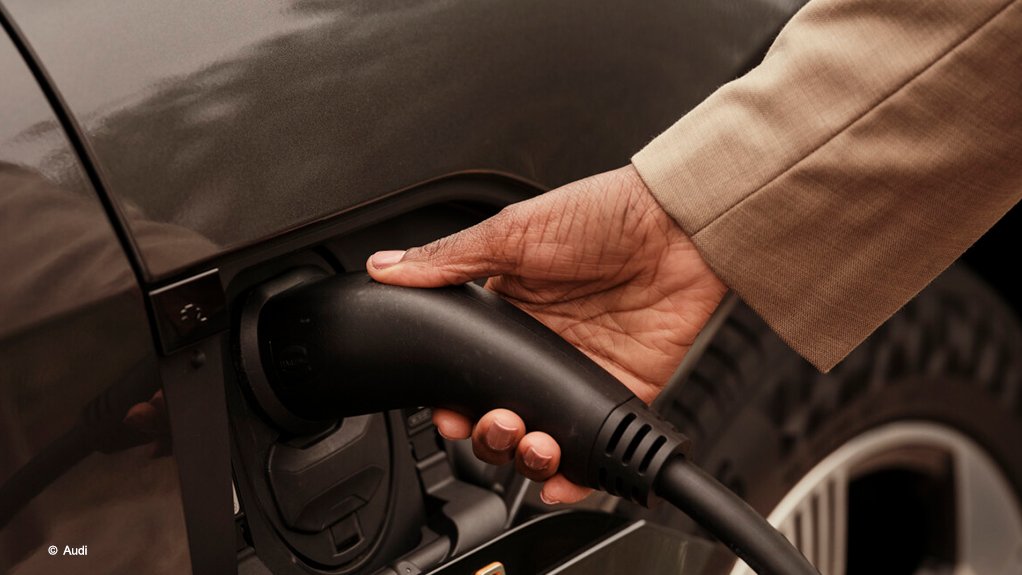


As South Africans keep their cars for longer and new technologies become increasingly common, the affordability of vehicle ownership is being shaped by more than the purchase price, says the South African Motor Body Repairers' Association (Sambra).
Increasingly, the question consumers should be asking is not whether they can afford to buy a vehicle, but rather whether they can afford to repair it.
According to Sambra, vehicle repairability is fast becoming one of the automotive industry’s biggest affordability challenges, affecting petrol, diesel, hybrid and electric vehicles (EVs) alike.
“Much of the public debate has focused on whether EVs are more expensive to repair,” says Sambra national director Juan Hanekom.
“The reality is that repairability has become a broader issue across the entire automotive industry.
“Modern vehicles are more sophisticated than ever before, and that complexity is changing the economics of collision repair.”
Today’s vehicles incorporate advanced driver assistance systems, cameras, radar sensors, LED lighting, new lightweight materials and highly integrated components.
While these technologies improve safety and performance, they can also increase repair costs.
“What appears to be relatively minor collision damage can sometimes require replacement of complete assemblies rather than individual components,” explains Hanekom.
“That has significant implications for repair costs, insurance claims and ultimately vehicle affordability.”
EVs do, however, add a new dimension to the debate, notes Hanekom, even if they still represent a relatively small proportion of South Africa’s national vehicle fleet.
“The battery is often seen as the biggest cost concern, but it’s important to understand that batteries do not automatically require replacement after every accident.
“Following a collision, the battery must first be safely isolated, inspected and assessed using manufacturer-approved procedures.
“Only where damage is confirmed, or the battery’s integrity cannot be verified, does replacement become necessary.
“Because of the battery’s value, however, it can significantly influence whether a vehicle remains economically repairable.”
Hanekom says this highlights the distinction between technical repairability and economic repairability.
“A vehicle may be completely repairable from a technical perspective. The repairer may have the skills, equipment and approved repair methods to restore it safely.
“Insurers, however, also have to consider the vehicle’s market value, total repair costs, potential supplementary damage, repair duration and expected salvage value.
“Those factors ultimately determine whether repairing the vehicle remains economically viable.”
As vehicle technology continues to evolve, Hanekom believes repairability deserves far greater attention from manufacturers, insurers and policymakers.
“Consumers increasingly consider fuel economy, safety ratings and purchase price when choosing a vehicle.
“Repairability should become part of that conversation because it directly influences the total cost of ownership over the life of the vehicle.”
Sambra believes improving repairability requires collaboration across the automotive value chain.
While repairers continue investing in specialist training, high-voltage safety systems (for EVs) and advanced diagnostic capabilities, manufacturers and importers also have an important role to play by supporting the local repair ecosystem, says Hanekom.
This includes designing vehicles with repairability in mind; providing repairers with model-specific technical information and diagnostic access; developing clear battery assessment and repair procedures for EVs; making individual components available, where safe and practical, instead of requiring full assembly replacement; ensuring adequate local availability of collision repair parts; and supporting the repair industry from the moment new-vehicle technologies are introduced into the South African market.
EVs More Expensive to Insure
Battery electric vehicles are generally more expensive to insure than internal combustion engine (ICE) vehicles of a similar quality and value, says Discovery Insure chief commercial officer Precious Nduli.
“This is largely because the insured value, expected repair costs and associated risk premium are typically higher for EVs.
“Based on broader market trends, and with all factors being equal, premium differences generally range between 10% and 25%.”
One of the key factors that influence EV premiums include battery replacement costs.
“EV battery packs are among the most expensive components of the vehicle,” says Nduli.
“In many cases, manufacturers may require a full battery replacement even when only part of the battery, such as a single cell, is damaged.
“Accidents of similar severity may be more expensive to repair in an EV than in an ICE vehicle, as the battery accounts for a substantial portion of the vehicle’s value.”
Specialist repairs and parts availability also influence EV premiums in South Africa, says Nduli.
“The EV repair network is still developing, and access to specialist technicians and parts remains limited.
“As a result, some parts may need to be imported, which can make repairs more expensive and increase turnaround times.”
Article Enquiry
Email Article
Save Article
Feedback
To advertise email advertising@creamermedia.co.za or click here
Research Reports

Projects
Latest Multimedia

Latest News

Showroom
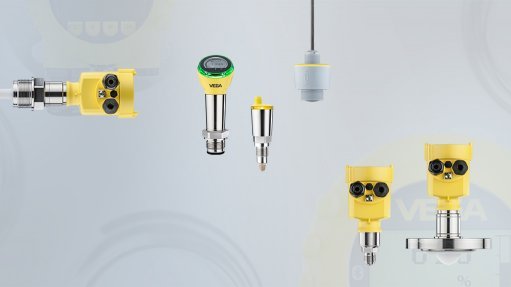
For over 60 years, VEGA has provided industry-leading products for the measurement of level, density, weight and pressure. As the inventor of the...
VISIT SHOWROOM
The SAIMM started as a learned society in 1894 after the invention of the cyanide process that saved the South African gold mining industry of the...
VISIT SHOWROOM

Announcements
What's On
Subscribe to improve your user experience...
Option 1 (equivalent of R125 a month):
Receive a weekly copy of Creamer Media's Engineering News & Mining Weekly magazine
(print copy for those in South Africa and e-magazine for those outside of South Africa)
Receive daily email newsletters
Access to full search results
Access archive of magazine back copies
Access to Projects in Progress
Access to ONE Research Report of your choice in PDF format
Option 2 (equivalent of R375 a month):
All benefits from Option 1
PLUS
Access to Creamer Media's Research Channel Africa for ALL Research Reports, in PDF format, on various industrial and mining sectors
including Electricity; Water; Energy Transition; Hydrogen; Roads, Rail and Ports; Coal; Gold; Platinum; Battery Metals; etc.
Already a subscriber?
Forgotten your password?
Receive weekly copy of Creamer Media's Engineering News & Mining Weekly magazine (print copy for those in South Africa and e-magazine for those outside of South Africa)
➕
Recieve daily email newsletters
➕
Access to full search results
➕
Access archive of magazine back copies
➕
Access to Projects in Progress
➕
Access to ONE Research Report of your choice in PDF format
RESEARCH CHANNEL AFRICA
R4500 (equivalent of R375 a month)
SUBSCRIBEAll benefits from Option 1
➕
Access to Creamer Media's Research Channel Africa for ALL Research Reports on various industrial and mining sectors, in PDF format, including on:
Electricity
➕
Water
➕
Energy Transition
➕
Hydrogen
➕
Roads, Rail and Ports
➕
Coal
➕
Gold
➕
Platinum
➕
Battery Metals
➕
etc.
Receive all benefits from Option 1 or Option 2 delivered to numerous people at your company
➕
Multiple User names and Passwords for simultaneous log-ins
➕
Intranet integration access to all in your organisation