



Ramaphosa stresses govt focus on literacy, numeracy for improved education

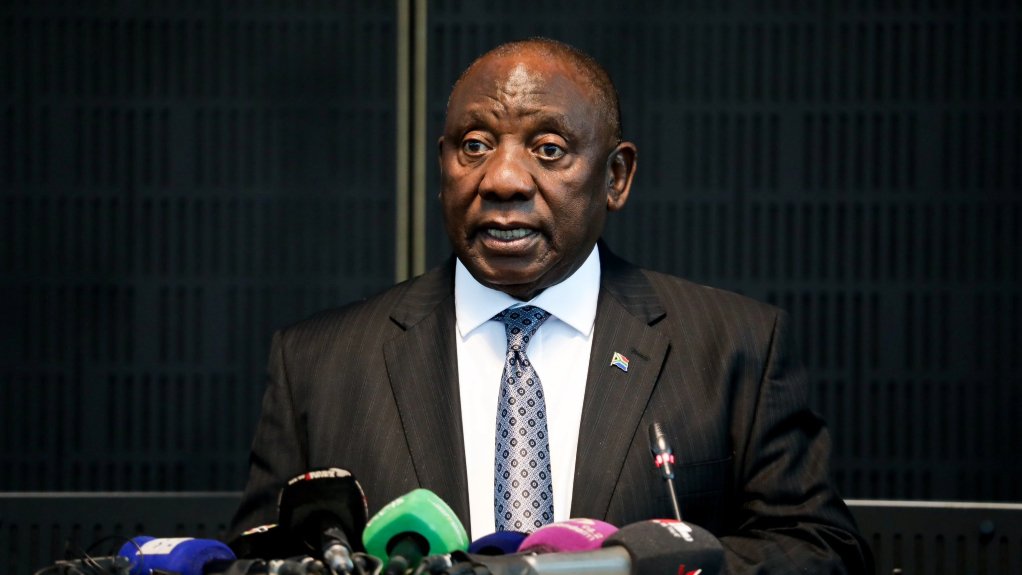


President Cyril Ramaphosa announced on Wednesday that government is intensifying its focus on “evidence-based teaching” of literacy and numeracy, as he expressed concerns about the slow pace of growth in vocational and occupational education.
Speaking at the 2026 Basic Education Sector Lekgotla, in Ekurhuleni, Ramaphosa said this will ensure that every classroom is supported by a coherent curriculum and well-trained teachers.
“And that every classroom has high-quality, age-appropriate, grade-specific and culturally relevant learning and teaching support materials,” he added.
He stressed the importance of a strong education foundation laid in the early grades, for a resilient and capable education system, and said strengthening early grade reading and numeracy was a national priority.
“When children do not learn to read for meaning or to work confidently with numbers by the end of the Foundation Phase, the cost is borne by the entire education system.
“Unless we get it right at the outset, learners spend the rest of their school careers trying to catch up. We see this in repetition, dropout, weak progression and the tragic loss of human potential,” he explained.
He highlighted that by investing in foundational learning, government is building a “resilient education system” that can sustain learning, adapt to shocks and equip children with the skills needed to thrive in a rapidly changing world.
While there is much focus on matric results, solid foundations in early learning – from birth to nine years – is essential, he stressed.
He said this provided the foundational knowledge, skills and attitudes required for successful onward learning and for lifelong development.
“Early learning lays the groundwork for cognitive, social and emotional development. Children who receive quality early education are better prepared for future learning experiences,” he said.
Ramaphosa said establishing early learning as a core component of the education system was essential for nurturing well-rounded, capable young people who could thrive academically, socially and economically.
“By investing in early childhood education, our country can foster stronger communities, support equitable access to education and promote lifelong success for all children,” he explained.
He wants real-time reading and literacy programmes prioritised and faster progress in the sector.
“This demands a bold shift in approach: to rethink and reimagine early learning, to embed it within the basic education system, and to ensure that early childhood development is treated as a core pillar of educational success,” he said.
VOCATIONAL AND OCCUPATIONAL EDUCATION
While Ramaphosa applauded the achievement of the Matric Class of 2025, he expressed concerns with the slow pace of growth in vocational and occupational education, which played a vital role in preparing the youth for the world of work, enhancing economic growth and promoting social equity.
By focusing on practical skills the economy needed, it contributed to building capable and adaptable workers who met the demands of a rapidly changing economy, he said.
“We must intensify our efforts to partner with various sectors of the economy to strengthen our collective contribution to vocational education. As we strive to improve the quality of our matric results, we must work harder to ensure that more children complete their schooling,” he said.
He raised concerns that nearly half a million children who entered grade one in 2014 left school before reaching their matric year in 2025.
Most of these learners dropped out between grades 10 and 12, he said.
“We call on the department, teachers, parents and communities to counsel learners who are contemplating leaving and to work together to ensure that learners complete their schooling,” he stated.
He said attention must be placed on the reasons learners drop out – from financial pressure to poor academic performance to increasing domestic responsibilities – and provide psychosocial support to those facing challenges in their home situation.
Article Enquiry
Email Article
Save Article
Feedback
To advertise email advertising@creamermedia.co.za or click here
Research Reports

Projects


Latest Multimedia



Showroom
EIMS is an independent specialised environmental consulting firm offering the full spectrum of environmental management services across all sectors...
VISIT SHOWROOM
CMTS is a leading, well-established EC&I contractor with 37+ years of mining and industrial experience. We execute full-scope EC&I projects with...
VISIT SHOWROOM



Press Office
Announcements
What's On
Subscribe to improve your user experience...
Option 1 (equivalent of R125 a month):
Receive a weekly copy of Creamer Media's Engineering News & Mining Weekly magazine
(print copy for those in South Africa and e-magazine for those outside of South Africa)
Receive daily email newsletters
Access to full search results
Access archive of magazine back copies
Access to Projects in Progress
Access to ONE Research Report of your choice in PDF format
Option 2 (equivalent of R375 a month):
All benefits from Option 1
PLUS
Access to Creamer Media's Research Channel Africa for ALL Research Reports, in PDF format, on various industrial and mining sectors
including Electricity; Water; Energy Transition; Hydrogen; Roads, Rail and Ports; Coal; Gold; Platinum; Battery Metals; etc.
Already a subscriber?
Forgotten your password?
Receive weekly copy of Creamer Media's Engineering News & Mining Weekly magazine (print copy for those in South Africa and e-magazine for those outside of South Africa)
➕
Recieve daily email newsletters
➕
Access to full search results
➕
Access archive of magazine back copies
➕
Access to Projects in Progress
➕
Access to ONE Research Report of your choice in PDF format
RESEARCH CHANNEL AFRICA
R4500 (equivalent of R375 a month)
SUBSCRIBEAll benefits from Option 1
➕
Access to Creamer Media's Research Channel Africa for ALL Research Reports on various industrial and mining sectors, in PDF format, including on:
Electricity
➕
Water
➕
Energy Transition
➕
Hydrogen
➕
Roads, Rail and Ports
➕
Coal
➕
Gold
➕
Platinum
➕
Battery Metals
➕
etc.
Receive all benefits from Option 1 or Option 2 delivered to numerous people at your company
➕
Multiple User names and Passwords for simultaneous log-ins
➕
Intranet integration access to all in your organisation
