Nersa approves free basic electricity rate for 2026/27

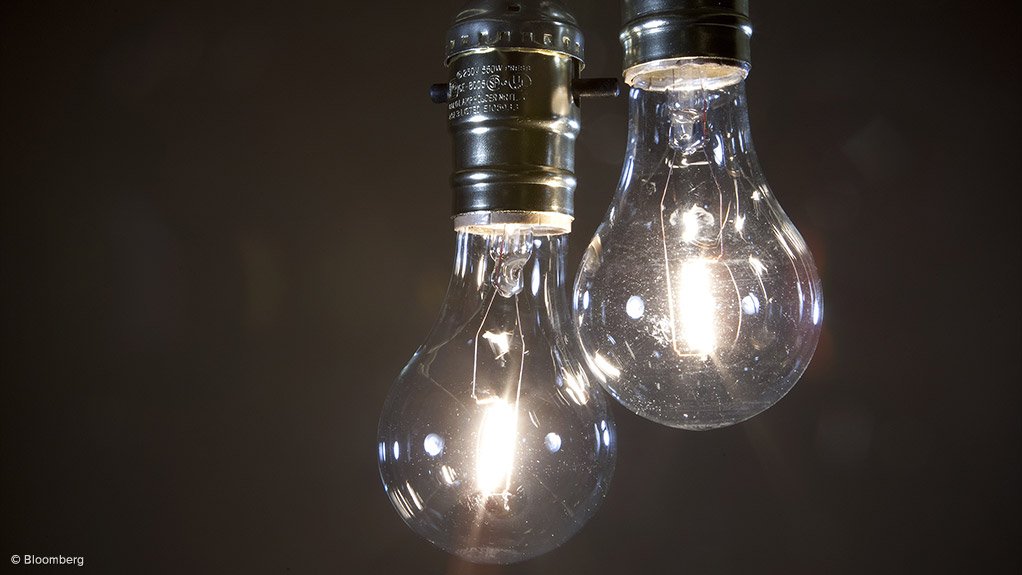


The National Energy Regulator of South Africa (Nersa) has approved the national Free Basic Electricity (FBE) rate of R2.38/kWh for the 2026/27 municipal financial year, effective from July 1, this year, to June 30, 2027.
This rate will be used by State-owned utility Eskom to bill municipalities for the FBE units supplied to qualifying households in the Eskom supply areas.
In areas where Eskom is the electricity supplier, FBE is provided on behalf of municipalities through agreements with Eskom.
The rate is adjusted according to the methodology approved by Nersa in March 2021 to ensure the rate remains fair and reflects current economic conditions.
The FBE is an essential element of the Electricity Basic Services Support Tariff Policy, which aims to provide a monthly allocation of 50 kWh of electricity to indigent households identified by municipalities.
The FBE forms part of municipalities’ constitutional responsibility to deliver basic services to their communities, supported by equitable share allocations from the national government, Nersa says.
Further, the fixed vending commission is adjusted each year based on consumer price inflation and is payable to the principal agents over the term of their contracts.
It is crucial for Nersa to ensure the use of middlemen does not unduly increase the FBE rate, as the commission rate is included in the FBE rate, it states.
Additionally, the FBE rate is part of the licensing framework designed to ensure FBE benefits reach qualifying indigent customers.
It is particularly relevant where customers reside within a municipality’s demarcated jurisdiction, but are supplied by Eskom owing to regulatory restrictions that prevent the municipality from providing electricity services in those areas.
In these circumstances, the FBE mechanism enables the equitable extension of FBE benefits to eligible customers, thereby avoiding exclusion based solely on the licensed service provider.
The FBE policy remains an important mechanism for promoting energy access and affordability, although municipalities continue to face administrative, financial and technical challenges in its implementation, the regulator says.
“One of the key challenges is that the equitable share allocation is not ring-fenced, and municipalities are not legally required to account for these funds separately in their budgets.
“As a result, in financially constrained municipalities, funding intended for free basic services may be affected by broader fiscal pressures, which makes it difficult to directly trace expenditure to specific policy objectives,” Nersa states.
“Addressing these constraints in municipalities requires continued efforts to expand coverage, strengthen administrative and operational systems, improve beneficiary targeting accuracy and enhance intergovernmental coordination,” it notes.
The Department of Electricity and Energy has set up a Multi-Stakeholder Review Panel on FBE, which includes representatives from the South African Local Government Association, the Department of Cooperative Governance and Traditional Affairs, the National Treasury, Nersa and other parties.
The panel will review how the programme is designed and suggest changes based on evidence, Nersa says.
“Nersa's mandate is to determine tariffs, including FBE rates. Policy implementation rests with municipalities and the national government, says Nersa electricity regulation full-time regulator member Willy Majola.
The regulator also provides policymakers with input and feedback on electricity pricing and affordability matters, including issues related to FBE implementation, he adds.
Article Enquiry
Email Article
Save Article
Feedback
To advertise email advertising@creamermedia.co.za or click here
Research Reports
Projects


Latest Multimedia
Showroom
Complete range of security sealing solutions including security seals bags and labels.
VISIT SHOWROOM
Announcements
What's On
Subscribe to improve your user experience...
Option 1 (equivalent of R125 a month):
Receive a weekly copy of Creamer Media's Engineering News & Mining Weekly magazine
(print copy for those in South Africa and e-magazine for those outside of South Africa)
Receive daily email newsletters
Access to full search results
Access archive of magazine back copies
Access to Projects in Progress
Access to ONE Research Report of your choice in PDF format
Option 2 (equivalent of R375 a month):
All benefits from Option 1
PLUS
Access to Creamer Media's Research Channel Africa for ALL Research Reports, in PDF format, on various industrial and mining sectors
including Electricity; Water; Energy Transition; Hydrogen; Roads, Rail and Ports; Coal; Gold; Platinum; Battery Metals; etc.
Already a subscriber?
Forgotten your password?
Receive weekly copy of Creamer Media's Engineering News & Mining Weekly magazine (print copy for those in South Africa and e-magazine for those outside of South Africa)
➕
Recieve daily email newsletters
➕
Access to full search results
➕
Access archive of magazine back copies
➕
Access to Projects in Progress
➕
Access to ONE Research Report of your choice in PDF format
RESEARCH CHANNEL AFRICA
R4500 (equivalent of R375 a month)
SUBSCRIBEAll benefits from Option 1
➕
Access to Creamer Media's Research Channel Africa for ALL Research Reports on various industrial and mining sectors, in PDF format, including on:
Electricity
➕
Water
➕
Energy Transition
➕
Hydrogen
➕
Roads, Rail and Ports
➕
Coal
➕
Gold
➕
Platinum
➕
Battery Metals
➕
etc.
Receive all benefits from Option 1 or Option 2 delivered to numerous people at your company
➕
Multiple User names and Passwords for simultaneous log-ins
➕
Intranet integration access to all in your organisation