Improve the local auto industry’s ability to compete, rather than insulating it from competition – WesBank

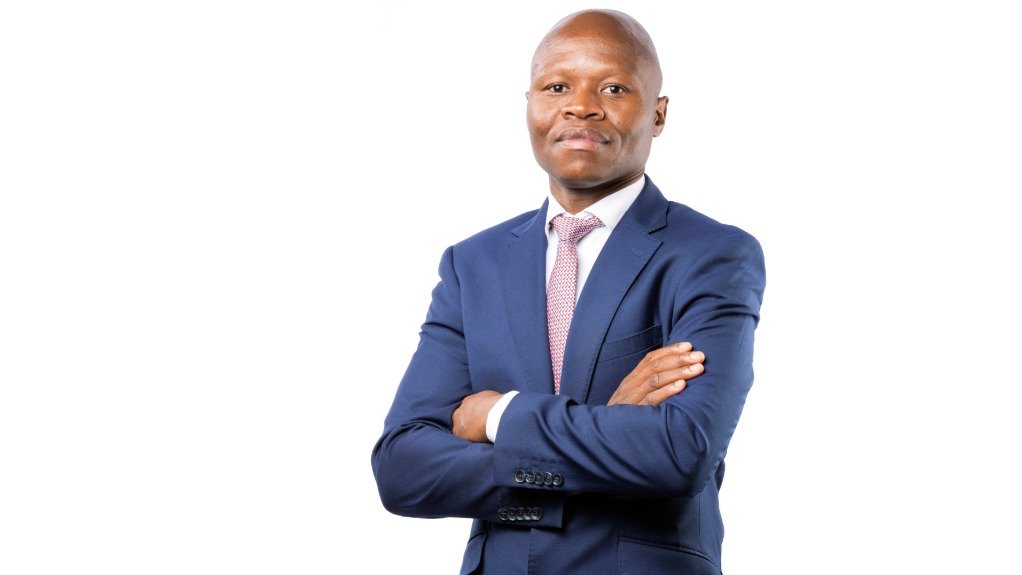



The growing arrival of Chinese competition in the South African auto industry is not a concern, as competition in itself is not a problem, says WesBank senior economist Thanda Sithole.
“Increased competition can be healthy. It can improve affordability, raise product quality, expand consumer choice and force incumbents to adapt.
“In an economy where many consumers have been priced out of major purchases, lower-cost mobility solutions are not trivial. They matter,” says Sithole.
The real concern, however, is whether South Africa’s domestic automotive base is sufficiently competitive to absorb this market shift without a meaningful erosion in local industrial capacity, he notes.
“That question matters, because South Africa is competing in a global automotive environment that is changing rapidly.
“Chinese manufacturers have become formidable competitors, not only because of price, but because of scale, supply chain integration, technological capability and speed to market.
“In several segments, they are no longer merely low-cost alternatives, they are increasingly credible mainstream contenders.”
If this competitive pressure accelerates faster than local producers can adapt, the risk is not simply lower margins, says Sithole.
It is a gradual weakening of domestic productive capacity, reduced model relevance, shrinking local value-add and, ultimately, pressure on investment and employment over time.
This then raises the policy question – should South Africa respond with higher import duties on these Chinese imports or other trade restrictions to limit the influx, asks Sithole.
“At first glance, the case for intervention appears straightforward.
“If lower-cost imports are placing local [vehicle manufacturers] under pressure, tariffs may seem like a reasonable way to level the playing field and buy domestic producers time to adjust.
“For a country trying to preserve industrial jobs and protect its manufacturing base, that instinct is understandable.”
But import duties are a blunt instrument, warns Sithole, and blunt instruments often create as many problems as they solve.
“Higher duties may offer temporary relief to domestic producers, but they would also raise costs for consumers, particularly lower- and middle-income households already facing strained affordability.
“They could reduce competitive discipline in the market, shield structural inefficiencies and delay the very adaptation that the industry ultimately needs.
“In the absence of broader competitiveness reforms, tariffs risk becoming a defensive policy response rather than a strategic one.”
There is also the question of whether tariffs would address the root causes of the problem, notes Sithole.
“South Africa’s automotive competitiveness is not determined by pricing alone. It is shaped by a broader set of structural constraints such as logistics inefficiencies, port bottlenecks, electricity insecurity (though this seems to have improved recently), input costs, localisation challenges and the general cost of doing business. These are not issues that can be solved at the border.”
In that sense, the rise of Chinese imports is less a problem in itself than a symptom of a larger challenge.
“South Africa’s domestic industry is being exposed to a more demanding and more competitive global market, and policy can no longer rely on inertia,” says Sithole.
A more credible policy approach by government, rather than blanket protectionism, would be one that preserves the consumer benefits of competition, while strengthening the domestic industry’s ability to compete.
That includes reassessing whether existing industrial support frameworks remain fit for purpose, deepening localisation where economically viable, improving infrastructure and logistics performance, and ensuring the domestic sector is positioned for future product and technology shifts, including the gradual transition in vehicle platforms and propulsion systems, explains Sithole.
“In other words, the right question is not whether South Africa should resist competition. It is whether it can build an automotive ecosystem capable of surviving and adapting to it.
“The growing presence of Chinese vehicle brands is exposing a genuine policy dilemma.
“Consumers benefit from affordability and choice, while domestic producers face a more intense competitive environment. Both realities are true at the same time.”
The temptation will be to reach quickly for tariffs, says Sithole.
“But if the response is limited to import duties alone, South Africa risks protecting yesterday’s structure at the expense of tomorrow’s competitiveness.
“The better response is harder, but ultimately more sustainable – improve the domestic industry’s ability to compete rather than simply trying to insulate it from competition.”
Article Enquiry
Email Article
Save Article
Feedback
To advertise email advertising@creamermedia.co.za or click here
Research Reports

Projects


Latest Multimedia
Latest News

Showroom

ESAB South Arica, the leading supplier of high-end welding and cutting products to the Southern African industrial market is based in...
VISIT SHOWROOM
Developed to exceed the latest EN 15964 standards for police breathalysers proving that it will remain accurate and reliable for many years to come.
VISIT SHOWROOM


Announcements
What's On
Subscribe to improve your user experience...
Option 1 (equivalent of R125 a month):
Receive a weekly copy of Creamer Media's Engineering News & Mining Weekly magazine
(print copy for those in South Africa and e-magazine for those outside of South Africa)
Receive daily email newsletters
Access to full search results
Access archive of magazine back copies
Access to Projects in Progress
Access to ONE Research Report of your choice in PDF format
Option 2 (equivalent of R375 a month):
All benefits from Option 1
PLUS
Access to Creamer Media's Research Channel Africa for ALL Research Reports, in PDF format, on various industrial and mining sectors
including Electricity; Water; Energy Transition; Hydrogen; Roads, Rail and Ports; Coal; Gold; Platinum; Battery Metals; etc.
Already a subscriber?
Forgotten your password?
Receive weekly copy of Creamer Media's Engineering News & Mining Weekly magazine (print copy for those in South Africa and e-magazine for those outside of South Africa)
➕
Recieve daily email newsletters
➕
Access to full search results
➕
Access archive of magazine back copies
➕
Access to Projects in Progress
➕
Access to ONE Research Report of your choice in PDF format
RESEARCH CHANNEL AFRICA
R4500 (equivalent of R375 a month)
SUBSCRIBEAll benefits from Option 1
➕
Access to Creamer Media's Research Channel Africa for ALL Research Reports on various industrial and mining sectors, in PDF format, including on:
Electricity
➕
Water
➕
Energy Transition
➕
Hydrogen
➕
Roads, Rail and Ports
➕
Coal
➕
Gold
➕
Platinum
➕
Battery Metals
➕
etc.
Receive all benefits from Option 1 or Option 2 delivered to numerous people at your company
➕
Multiple User names and Passwords for simultaneous log-ins
➕
Intranet integration access to all in your organisation