



Meeting South Africa’s carbon emissions target: first we measure, then we manage




This article has been supplied.
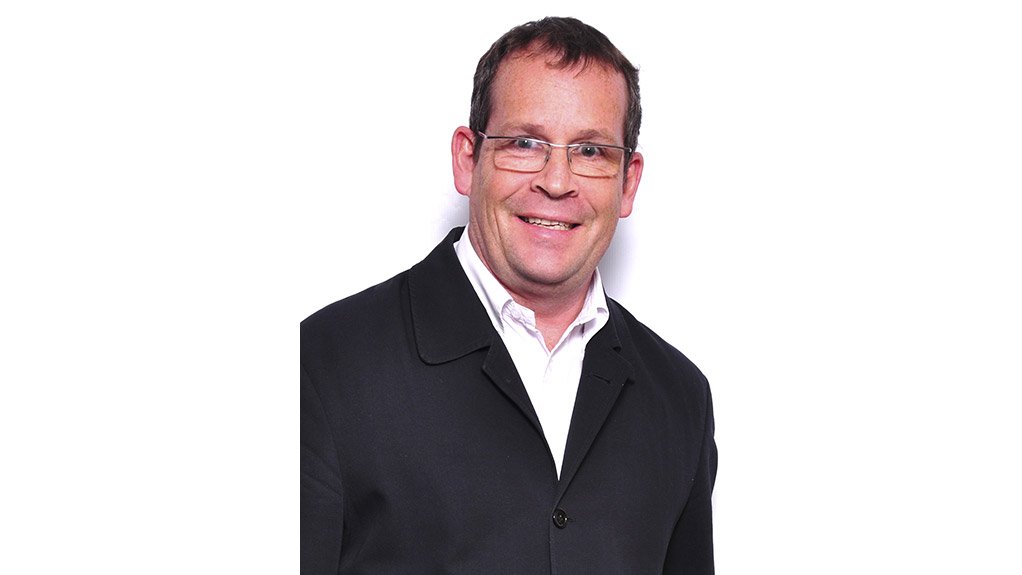
By Eckart Zollner, Head of Business Development at Economic Development Solutions
As the world’s 12th largest greenhouse gas emitter, South Africa has indicated that total emissions will begin to decline in 2025 with our Cabinet adopting a lowered greenhouse gas emission target recently. This target is an indication of the country’s commitment to decarbonising the economy and is our National Determined Contribution (NDC) to total emissions. The recent announcement of proposed new legislation to introduce a higher carbon tax rate for businesses that fail to reduce emissions will further accelerate efforts.
The target aims to see annual emissions of between 350 and 420 megatons of carbon dioxide equivalent by 2030. Now that the target has been quantified, what do South African corporations have to do in order to meet the carbon emissions target? In addition to exploring greener technology, and reducing energy consumption, organisations need to find ways to reduce and offset their carbon output to minimise their carbon tax liability. But first, it will be necessary for corporations to gain the ability to measure their carbon footprint before it is possible to take steps to reduce it.
Carbon offsetting under the Carbon Tax Act
As a signatory to the Paris Accord on climate change, South Africa is required to meet specific emission reduction targets. Our adopted target of between 350 and 420 megatons of carbon dioxide equivalent by 2030 aims to cut emissions by 28% in comparison to its 2015 pledge which capped annual emissions at 614 MtCO2 and hinges heavily on an aggressive power sector investment plan along with a cleaner transport strategy, energy efficiency programmes and a carbon tax to meet this target. The gradual implementation of the Carbon Tax Act sees the first phase run from 1 June 2019 to 31 December 2022 and the second phase from 2023 to 2030.
Section 19 (c) of the Carbon Tax Act enables the Minister to issue regulations for the carbon offset tax-free allowance in terms of section 13. This carbon offset tax-free allowance is meant to give enterprises some breathing room in order to pursue cost effective measures. This will help to reduce their emissions and their resultant carbon tax liability by up to 10% of their total greenhouse gas (GHG) emissions by investing in lower carbon mitigation projects that reduce emissions outside their taxable activities. Through recent regulation amendments, the government has agreed to a registry of a national offset programme, and the Carbon Offset Administration System now facilitates the listing, transfer and retirement of carbon credits to offset carbon tax liabilities. Starting with the approval of a specific project by the relevant project standard, all offsetting projects must go through the necessary processes required for project registration and credit issuance, measured in accordance with each specific agreed applicable standard.
Decarbonising our economy
South Africa presently relies on coal for nearly all of its power generation and is in the process of securing finance to help our national power utility Eskom to transition to the use of more renewable energy. Hot on Eskom’s heels, Sasol is South Africa’s second largest emitter of the greenhouse gases linked to climate change, and the corporation is under increasing pressure from society and investors to shift from its coal-based legacy and lead the way in decarbonising our economy. To this end, Sasol has committed to a 2050 target of net zero emissions target, while tripling its aim for a 30% reduction by 2030 of GHG off a 2017 baseline.
Leading by example
What lessons can smaller enterprises in other industries draw from Sasol’s ambitious target? It’s a clear indication of the urgency of the need to drastically decrease our carbon output if we’re to make a difference in averting climate change. While the carbon tax places a price on emissions and intends to encourage cleaner practices across all industries in South Africa, it also makes provision for a number of tax-free allowances. This includes carbon offset programmes that allow companies to reduce their tax liability by putting money into mitigation projects, incentivising carbon mitigation in sectors or activities that are not directly in the scope of carbon tax, including agriculture, forestry and land use, and waste.
Measure and manage
In order to effectively utilise these allowances and offset programs, companies will need to be able to measure and manage all activities, in order to track and reduce their tax liability and ultimately their carbon output. Technology has enabled businesses to gain full visibility across their entire value chain, allowing them to easily and accurately calculate tax liability. Carbon tax calculators have revolutionised previously manual processes, making it easier to report accurately on every facet of the corporation’s carbon footprint. In addition to handling the reporting obligations involved in carbon tax compliance, technology provides an effective starting point for decarbonisation efforts, making it easier to identify quick wins and highlight problems to be solved, giving businesses a clear road map to follow while working toward net zero emissions.
Article Enquiry
Email Article
Save Article
Feedback
To advertise email advertising@creamermedia.co.za or click here
Research Reports

Projects


Latest Multimedia

Latest News
Showroom

Astore Keymak is one of South Africa’s leading suppliers of high-quality Thermoplastic Pipeline Systems, with branches in the major provinces.
VISIT SHOWROOM
We at Hawk High Pressure Pumps specialise in industrial pumps and pumping systems. Our high pressure washing equipment is locally manufactured and...
VISIT SHOWROOM



Press Office
Announcements
What's On
Subscribe to improve your user experience...
Option 1 (equivalent of R125 a month):
Receive a weekly copy of Creamer Media's Engineering News & Mining Weekly magazine
(print copy for those in South Africa and e-magazine for those outside of South Africa)
Receive daily email newsletters
Access to full search results
Access archive of magazine back copies
Access to Projects in Progress
Access to ONE Research Report of your choice in PDF format
Option 2 (equivalent of R375 a month):
All benefits from Option 1
PLUS
Access to Creamer Media's Research Channel Africa for ALL Research Reports, in PDF format, on various industrial and mining sectors
including Electricity; Water; Energy Transition; Hydrogen; Roads, Rail and Ports; Coal; Gold; Platinum; Battery Metals; etc.
Already a subscriber?
Forgotten your password?
Receive weekly copy of Creamer Media's Engineering News & Mining Weekly magazine (print copy for those in South Africa and e-magazine for those outside of South Africa)
➕
Recieve daily email newsletters
➕
Access to full search results
➕
Access archive of magazine back copies
➕
Access to Projects in Progress
➕
Access to ONE Research Report of your choice in PDF format
RESEARCH CHANNEL AFRICA
R4500 (equivalent of R375 a month)
SUBSCRIBEAll benefits from Option 1
➕
Access to Creamer Media's Research Channel Africa for ALL Research Reports on various industrial and mining sectors, in PDF format, including on:
Electricity
➕
Water
➕
Energy Transition
➕
Hydrogen
➕
Roads, Rail and Ports
➕
Coal
➕
Gold
➕
Platinum
➕
Battery Metals
➕
etc.
Receive all benefits from Option 1 or Option 2 delivered to numerous people at your company
➕
Multiple User names and Passwords for simultaneous log-ins
➕
Intranet integration access to all in your organisation
