



Households take on debt to buy food, while cost of staples climb

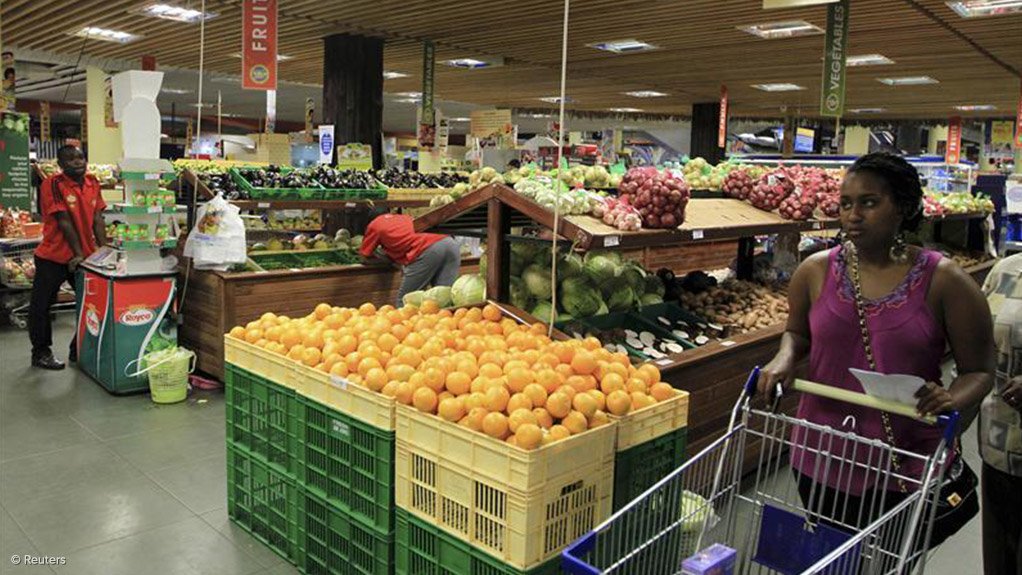


Low-income households cannot make it through the month on their incomes, underspending on food by 55.6%, the 2015 Pietermaritzburg Agency for Community Social Action (Pacsa) Food Price Barometer has found.
Compounding the situation was an increase in the cost of core staples and low-quality protein, which Pacsa said on Thursday “is extremely worrisome” as low-income households had insufficient income to spend on food and were forced to buy these foods to survive.
“The key to dealing with the current food affordability crisis and getting households out of the cycle of poverty, inequality and indebtedness lies in finding ways to substantially increase income levels.
“While we do need to ensure that food prices, particularly of our staple foods, are affordable, cheaper food, which is often of poorer quality, is not the answer. Increasing incomes is essential to enable families to be supported at a basic level of dignity because the crisis is about affordability, not insufficiency of food.”
The affordability crisis around food, which found households unable to secure a range of nutritious, sufficient and diverse food, meant that the majority of South Africans were not able to achieve their full humanity.
“They struggled to secure the goods and services needed to live at a level of basic dignity. Households prioritised the payment of transport, education, electricity, burial insurance and the repayment of debt before food,” the nongovernment organisation explained.
Food was prioritised last because it was one of the few expenses households could control.
“Our research found that food ran out by the second or third week in the month. Debt was taken to cover food shortfalls. Because food is a continuous expense households were becoming trapped in a vortex of debt,” Pacsa warned.
The overall food price inflation on the Pacsa food basket from November 2014 to September 2015 was 4.3%, which mirrored the Consumer Price Index. In rand value, the cost of the basket had increased by R66.10 from R1 550.87 to R1 616.97.
At closer inspection of the inflation in the basket, the highest levels of inflation were on the core staple foods and lower quality proteins. These were foods that households had to procure to access a level of energy and nutrition.
The inflation on the core staple foods was 6.6%. The highest increases were seen in maize meal, up 14.4%, white sugar (10 kg), up 6.7%, rice (10 kg), up 6.3%, and salt (1 kg), which increased by 9.7%. “When core staple foods increase they reduce the money available for other foods resulting in the loss of diversity on the plate,” added Pacsa.
This had implications for health, wellbeing and productivity. South Africa’s mortality statistics already revealed that noncommunicable diseases were the highest cause of death in women aged 45 to 64. Women were most affected because mothers ate last and, therefore, consumed the least variety.
The 7.7% increase in the price of protein in the basket was driven by the lower-quality proteins which households were switching to in an effort to at least secure a basic level of nutrition.
Chicken necks (6 kg) increased by a whopping 66.3%, polony (2.5 kg) 18.2% and eggs by 8.2% for a tray of 30.
It cost a mother 7.9% more in September 2015 than it did in November 2014 to provide sandwiches for her teenage child in a month. Polony increased by 18.2% and margarine increased by 23.5%, with both products considered to be “important to provide protein and fats for children,” Pacsa noted.
The cost of a basic, but minimum, nutritional food basket for a household of 7 was R3 644.09 in September 2015, while most households were spending around R1 616.97 a month.
For a household with an income of R3 200 – the maximum income level for 60% of Pietermaritzburg households – proper nutrition came to 113.9% of household income. If a household spends R1 616.97 a month on food, it consumes 50.5% of a R3 200 household income. This was a substantial part of the household income when considering all the other goods and services that households needed, Pacsa stated.
Article Enquiry
Email Article
Save Article
Feedback
To advertise email advertising@creamermedia.co.za or click here
Research Reports

Projects


Latest Multimedia


Latest News
Showroom
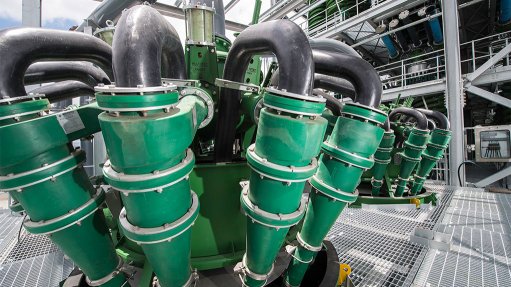
Multotec, recognised industry leaders in metallurgy and process engineering help mining houses across the world process minerals more efficiently,...
VISIT SHOWROOM
We at Hawk High Pressure Pumps specialise in industrial pumps and pumping systems. Our high pressure washing equipment is locally manufactured and...
VISIT SHOWROOM



Press Office
Announcements
What's On
Subscribe to improve your user experience...
Option 1 (equivalent of R125 a month):
Receive a weekly copy of Creamer Media's Engineering News & Mining Weekly magazine
(print copy for those in South Africa and e-magazine for those outside of South Africa)
Receive daily email newsletters
Access to full search results
Access archive of magazine back copies
Access to Projects in Progress
Access to ONE Research Report of your choice in PDF format
Option 2 (equivalent of R375 a month):
All benefits from Option 1
PLUS
Access to Creamer Media's Research Channel Africa for ALL Research Reports, in PDF format, on various industrial and mining sectors
including Electricity; Water; Energy Transition; Hydrogen; Roads, Rail and Ports; Coal; Gold; Platinum; Battery Metals; etc.
Already a subscriber?
Forgotten your password?
Receive weekly copy of Creamer Media's Engineering News & Mining Weekly magazine (print copy for those in South Africa and e-magazine for those outside of South Africa)
➕
Recieve daily email newsletters
➕
Access to full search results
➕
Access archive of magazine back copies
➕
Access to Projects in Progress
➕
Access to ONE Research Report of your choice in PDF format
RESEARCH CHANNEL AFRICA
R4500 (equivalent of R375 a month)
SUBSCRIBEAll benefits from Option 1
➕
Access to Creamer Media's Research Channel Africa for ALL Research Reports on various industrial and mining sectors, in PDF format, including on:
Electricity
➕
Water
➕
Energy Transition
➕
Hydrogen
➕
Roads, Rail and Ports
➕
Coal
➕
Gold
➕
Platinum
➕
Battery Metals
➕
etc.
Receive all benefits from Option 1 or Option 2 delivered to numerous people at your company
➕
Multiple User names and Passwords for simultaneous log-ins
➕
Intranet integration access to all in your organisation
