Demand for electricity to outpace economic growth and reshape investment

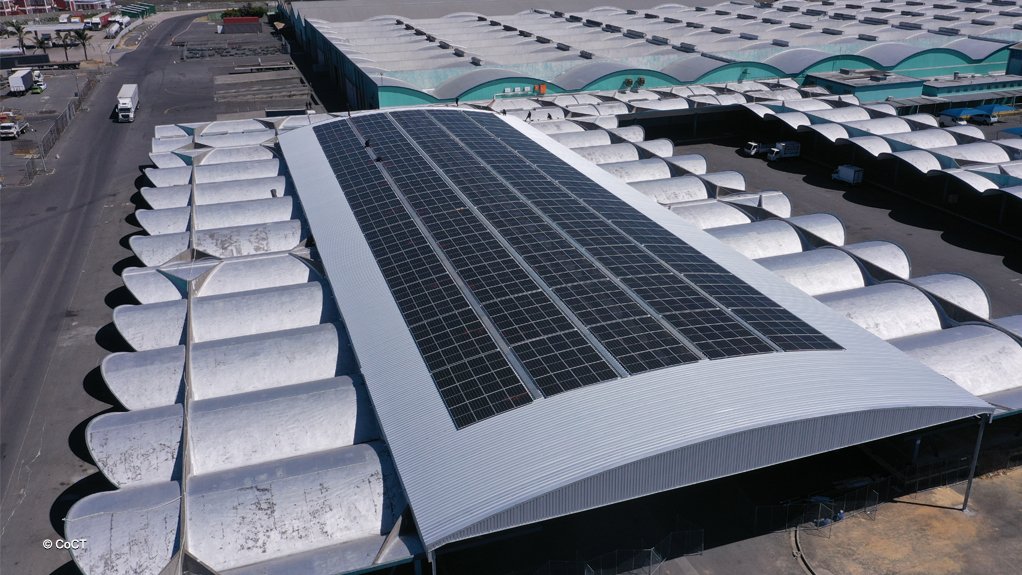
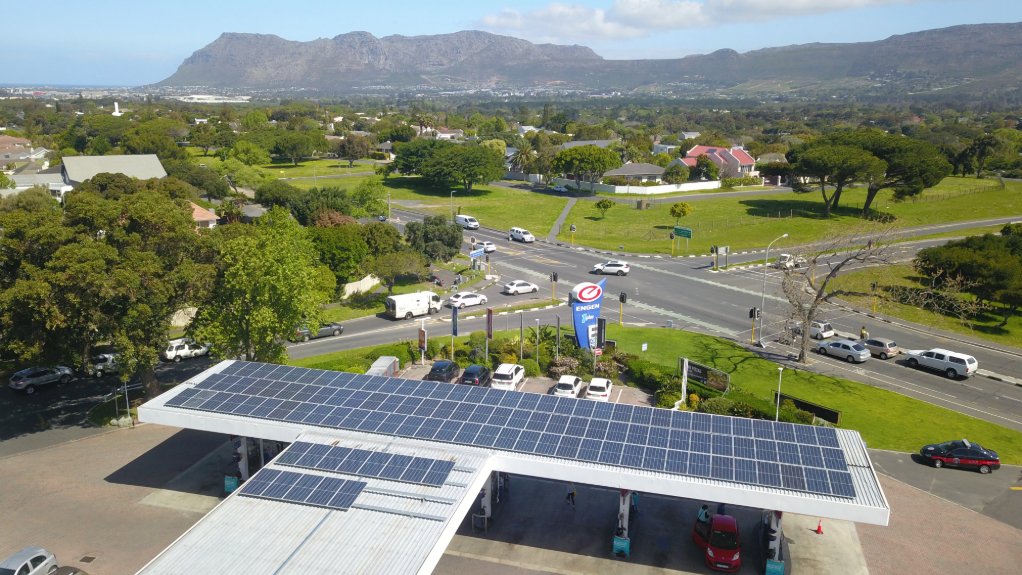
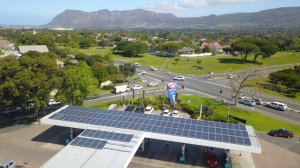
RETAIL ENERGY South Africa's retail sector is expected to continue to deploy renewable and battery systems, followed by the mining and manufacturing sectors
RISK-REDUCTION Technologies that enhance energy efficiency and boost electrification, and use power from low-emissions sources, can eliminate exposure
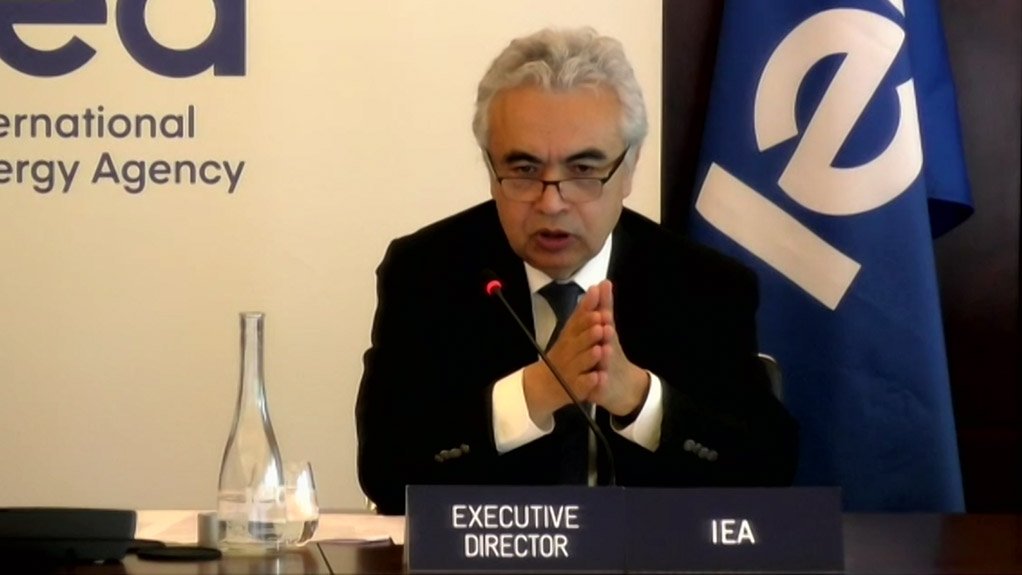
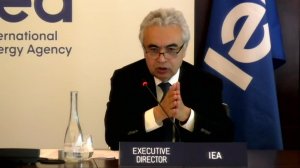
FATIH BIROL Investment in efficiency and electrification can reduce exposure to volatile fuel markets, lower import dependence and ease pressure on energy systems during supply disruptions
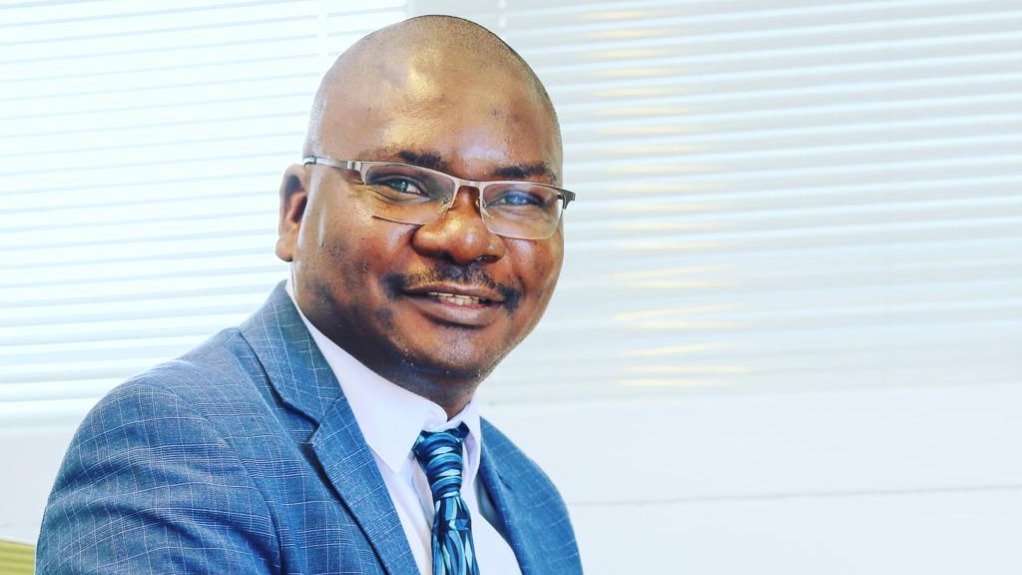
SAMPSON MAMPHWELI South Africa expects the continued growth in small-scale embedded generation in the economy, driven by the higher electricity tariffs and the need for energy security
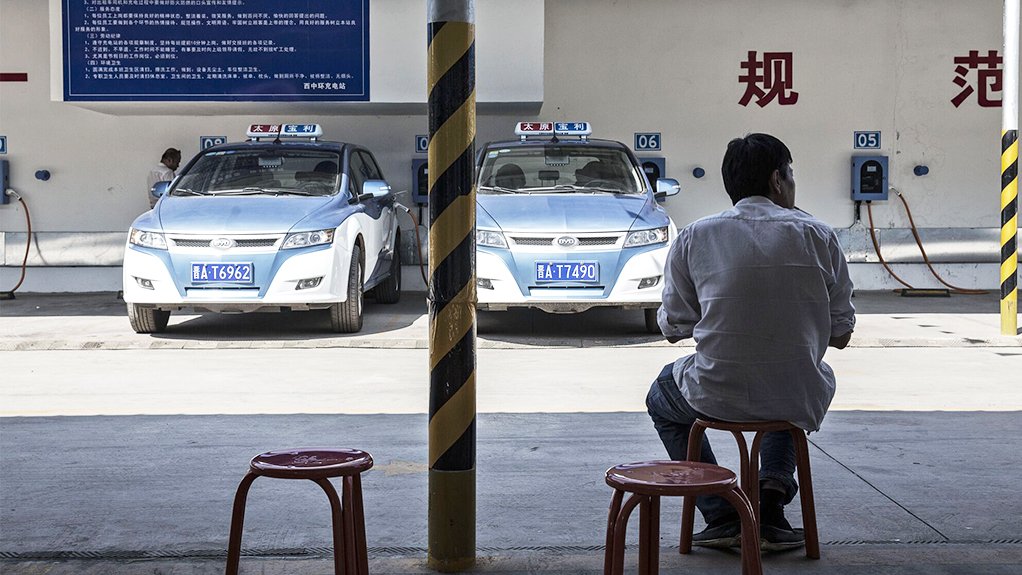
ELECTRIFIED TRANSPORT Transport electrification investment has more than doubled over the past decade




Global electricity demand is set to outpace economic growth as part of a broader trend up to 2030, with electricity consumption projected to grow at least two-and-a-half times as fast as overall energy demand.
A fundamental shift in the longstanding relationship between electricity demand and economic activity is set to be a defining feature until 2030, says international organisation International Energy Agency (IEA) executive director Dr Fatih Birol.
Global electricity demand grew by about 3% in 2025, compared to the levels of 2024, adding about 800 TWh. This increase was about two-and-a-half times faster than the growth in total energy demand.
Yearly electricity demand growth over the next five years is set to be 50% higher on average, compared with the average across the previous decade.
Despite the destabilising effect of the US-Iran war, capital flows to the energy sector are expected to grow to $3.4-trillion in 2026, which is a 5% rise from 2025, the IEA ‘World Energy Investment 2026’ report shows.
Electricity-related spending constitutes almost 60% of all global energy investments, while investments in electricity supply and infrastructure are expected to reach $1.6-trillion in 2026, and rise to $2-trillion when spending on end-use electrification is included.
“Our analyses have been highlighting for many years the growing role of electricity in economies around the world, and it is clear the Age of Electricity has arrived. In a break from the trend of the past decade, the increase in electricity consumption is no longer limited to emerging and developing economies, with breakneck demand growth from data centres and AI helping to drive up electricity use in advanced economies,” Birol declares.
Advanced economies accounted for almost 20% of global electricity demand growth in 2025, up from 17% in 2024. This share is expected to remain near the level of a 20% contribution to growth a year up to 2030, and will be driven by expanding industrial activity and the continued growth of data centres, electric vehicles (EVs) and other enduses of electricity.
“Electricity demand growth in advanced economies is accelerating again after 15 years of stagnation. This resurgence signals a new era in which electricity is a major energy input to some of the most dynamic drivers of global economies, such as AI, data centres and advanced manufacturing.”
Further, energy investment trends and the availability of reliable, low-cost electricity will help to determine which countries lead in AI, he adds.
The report also highlights that investments in renewables, nuclear, electrification and efficiency in the past decade have tangibly improved energy security in major fuel- importing regions and reduced emissions.
“Rising demand for energy services is influencing energy investment trends more profoundly than any single price cycle, policy shift or technology breakthrough,” the IEA report notes.
Electrification, through heat pumps, EVs and electrified industrial processes, is expanding rapidly, with investment growing by about 15% year-on-year.
Electrification offers prospects for scalability and technological maturity while remaining the main driver of transport investment growth globally. Transport electrification investment has more than doubled over the past decade, receiving about four-fifths of total investment.
The remainder of the investment in transport is directed to energy efficiency and hydrogen, the report points out.
“Electricity is at the heart of modern economies, and demand is set to grow much faster than overall energy use to 2030. Electricity accounts for only about 20% of final energy consumption globally, but it is the key source of energy for sectors accounting for more than 40% of the global economy and is the main source of energy for most households,” the IEA points out.
Additionally, as energy systems become more electrified, growth in cooling, mobility, digital infrastructure and industrial output is accelerating across buildings, transport and industry. Energy investments in these areas are critical to the affordability, security and resilience of the energy system.
The IEA report also indicates that investments in all major fuels and technologies increased in 2025 to meet rising demand for energy, albeit at very different rates.
Solar PV was the single largest contributor to growth in global energy supply in 2025, accounting for more than 25% of the increase. This is the first time on record that a modern renewable source has led global primary energy supply growth. Natural gas comprised the next largest share, at 17%, which reflects its role in power generation in many countries.
Overall, renewable sources and nuclear met nearly 60% of all growth in energy demand. Power generation from these sources exceeded total growth in electricity demand, the IEA report notes.
Demand Development
Electricity demand is set to increase from 95 exajoules (EJ) in 2024 to more than 137 EJ in 2040, and electricity is set to become a larger share of final energy consumption, says management consulting firm Bain&Co in its ‘Global Energy and Materials Outlook 2026’ report.
While system efficiency is set to improve during this period, total electricity demand will still rise substantially with population and GDP growth. Transport electrification is also expected to grow quickly, from less than 3% of current global demand to 7% to 9% by 2040, the company says.
However, the largest cumulative increase in electricity consumption across sectors will come from homes, with air-conditioning loads expected to rise sharply as cooling expands in developing countries and electricity-consuming heat pumps replace gas heating.
Similar increases in industrial demand, along with demand from residential buildings, is expected to account for the largest share of overall growth to 2040. Industry and buildings are expected to account for more than 60% of total demand until 2040, the company says.
Additionally, in Bain&Co’s analysis of a scenario of divergent energy and industrial policies across regions, renewable generation will comprise more than 50% of all power by 2036.
The IEA ‘World Energy Investment Trends 2026’ report shows that investment trends are diverging as countries pursue varied paths to meet demand securely.
The conflict in the Middle East could have long-term implications for the power sector. As Europe demonstrated during the global energy crisis from 2021 to 2023, such shocks can provide additional urgency for investments in strategic sectors, the organisation says.
For example, there is growing investment worldwide in the electrification of energy service demand, in efficiency and in low- emissions sources of power, including nuclear and renewables.
Energy security considerations can reinforce the momentum to deploy some of these technologies in the aftermath of the current crisis, particularly in fuel-importing countries aiming to insulate themselves against future price volatility, the IEA says.
Implications
The accelerating end-use investment is a strategic opportunity to lay the groundwork for a more efficient, secure and affordable energy system. Investors have been reacting to this trend, with spending on electricity supply and end-use electrification already accounting for half of the current global energy investment.
However, meeting future energy system objectives will require end-use investment to rise by one- to threefold by 2035 in buildings and transport, and more than fourfold in industry.
The scale-up needed in emerging markets and developing economies is particularly challenging amid the current investment levels, as energy security crises have repeatedly turned energy efficiency and electrification into foundations of resilience, the IEA says.
New technologies that enhance energy efficiency and boost electrification, and using power increasingly generated from low-emissions sources, now offer a pathway to eliminate entire categories of exposure.
In this context, technologiessuch as heat pumps, EVs and electrified industrial heat provide multiple benefits as instruments of energy security and system resilience, the IEA adds.
Previous energy shocks did not reverse demand growth; instead, they reshaped how energy was used as economies expanded and diversified.
The oil shocks in the 1970s led to explosive growth in public and corporate spending on R&D and innovation, the effects of which are still being felt. A repeat performance would have a significant influence on future energy trends, although energy is now competing with other innovation priorities in AI and defence.
Coming so soon after the global energy crisis of 2021 to 2023, the US-Iran conflict is expected to reinforce a strong prioritisation of energy security among decision-makers.
Energy efficiency and electrification are not only responses to the stress of current geopolitics, but also serve as a foundation for a more stable, secure and resilient energy future.
Investment in efficiency and electrification can reduce exposure to volatile fuel markets, lower import dependence and ease pressure on energy systems during supply disruptions.
“The speed and direction of end-use investments, therefore, shape not only climate outcomes but also electricity system requirements, energy security, household affordability and industrial competitiveness.
“The scale of investment in electrification, therefore, is a measure of how structural resilience must be built into the systems that underpin daily economic life,” says the IEA.
South Africa
Meanwhile, South Africa has seen a rise in rooftop and ground-mounted solar PV embedded generation in the retail sector. The sector is expected to continue leading the deployment of renewables, followed by the mining and manufacturing sectors.
The advantage of sectors generating their own electricity is that this strengthens the security of energy supply across the economy, says South African National Energy Development Institute energy secretariat head Professor Sampson Mamphweli.
“We expect the continued growth in small-scale embedded generation in residential areas driven by the higher electricity tariffs, declining costs of battery energy storage systems as well as solar panels cost decline, and the need for energy security.
“[National planning document] the Integrated Resource Plan 2025 also anticipates that small-scale embedded generation at household level and businesses will continue to rise,” he says.
Article Enquiry
Email Article
Save Article
Feedback
To advertise email advertising@creamermedia.co.za or click here
Research Reports

Projects

Latest News

Showroom
M and J Mining are leading suppliers of physical support systems as used by the underground mining industry. Our selection of products are not...
VISIT SHOWROOM
Complete range of security sealing solutions including security seals bags and labels.
VISIT SHOWROOM

Press Office
Announcements
What's On
Subscribe to improve your user experience...
Option 1 (equivalent of R125 a month):
Receive a weekly copy of Creamer Media's Engineering News & Mining Weekly magazine
(print copy for those in South Africa and e-magazine for those outside of South Africa)
Receive daily email newsletters
Access to full search results
Access archive of magazine back copies
Access to Projects in Progress
Access to ONE Research Report of your choice in PDF format
Option 2 (equivalent of R375 a month):
All benefits from Option 1
PLUS
Access to Creamer Media's Research Channel Africa for ALL Research Reports, in PDF format, on various industrial and mining sectors
including Electricity; Water; Energy Transition; Hydrogen; Roads, Rail and Ports; Coal; Gold; Platinum; Battery Metals; etc.
Already a subscriber?
Forgotten your password?
Receive weekly copy of Creamer Media's Engineering News & Mining Weekly magazine (print copy for those in South Africa and e-magazine for those outside of South Africa)
➕
Recieve daily email newsletters
➕
Access to full search results
➕
Access archive of magazine back copies
➕
Access to Projects in Progress
➕
Access to ONE Research Report of your choice in PDF format
RESEARCH CHANNEL AFRICA
R4500 (equivalent of R375 a month)
SUBSCRIBEAll benefits from Option 1
➕
Access to Creamer Media's Research Channel Africa for ALL Research Reports on various industrial and mining sectors, in PDF format, including on:
Electricity
➕
Water
➕
Energy Transition
➕
Hydrogen
➕
Roads, Rail and Ports
➕
Coal
➕
Gold
➕
Platinum
➕
Battery Metals
➕
etc.
Receive all benefits from Option 1 or Option 2 delivered to numerous people at your company
➕
Multiple User names and Passwords for simultaneous log-ins
➕
Intranet integration access to all in your organisation