Clean Spaces, Smaller Footprints


This article has been supplied and will be available for a limited time only on this website.
Earlier this month, World Environment Day yet again highlighted the urgent need to accelerate action on climate change, biodiversity loss, and resource efficiency.
In hospitality, expectations are shifting on two fronts. Guests continue to demand consistently high standards of cleanliness, hygiene, and service, while also placing greater emphasis on the environmental impact of their stay.
This is being driven in part by the rise of more conscious and sustainable travel behaviour. According to Booking.com’s Sustainable Travel Report (2025)¹, 93% of respondents said they want to make more sustainable travel choices, while 84% said sustainable travel is important.
In practical terms, this means travellers are actively looking for accommodation providers that demonstrate responsible practices, with around 36% of respondents seeking verified sustainable stays¹, showing that green credentials are becoming part of the booking decision itself.
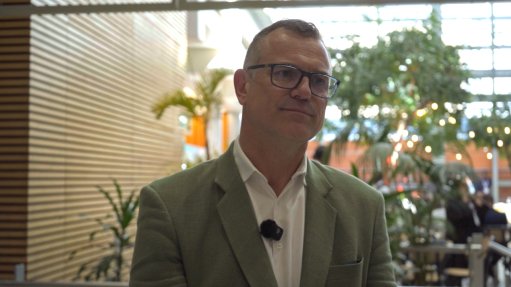
According to Jeffery Madkins, Marketing Manager at Unilever Professional, this is no longer a trend, but very much a business reality. “Today’s guests,” he says, “are far more aware of the environmental footprint behind their stay and increasingly, they are looking for visible, practical actions from accommodation providers.
This includes reduced single-use plastics, towel and linen reuse programmes, energy-efficient lighting and climate control systems, locally sourced food options, and clear communication around environmental practices or certifications.
“What this is clearly demonstrating is that sustainability is no longer being judged as a separate ‘initiative’ in hospitality,” Madkins continues. “It is seen as part of the overall quality of the stay itself and is increasingly influencing competitiveness through its role in marketing, certification, and corporate travel policies.
At the same time, hospitality remains one of the most resource-intensive service sectors, particularly in its use of water and energy. Industry studies consistently show that hotels can use hundreds of litres of water per guest night², largely driven by laundry services, housekeeping operations, and kitchen processes. This places considerable pressure on establishments, especially in water-stressed regions such as parts of South Africa.
Globally, water scarcity is also intensifying. The United Nations estimates that billions of people experience water scarcity for at least part of the year³, highlighting how water has become both an environmental and operational risk for service industries that rely on continuous supply.
As Madkins points out, the real sustainability challenge in hospitality is not always visible to the guest. The most meaningful gains, he explains, are often found in the background: in laundry cycles, kitchen sanitation, and housekeeping routines, where small efficiency improvements can significantly reduce water and product consumption at scale.
It’s not just the efficiency of those processes changing, though, but how the industry thinks about them. “Hygiene and environmental performance in hospitality can no longer be separate conversations,” he says. “Every cleaning process carries a resource cost, from water and energy to the chemicals used, so the way those systems are designed has a direct impact on environmental performance.”
This evolving approach to greener hospitality hygiene is also driving interest in innovative cleaning solutions, including product ranges designed to maintain hygiene performance while reducing overall product use and chemical load, such as probiotic cleaners.
It’s what “clean spaces, smaller footprints” ultimately represents: exceptional guest experiences and responsible resource use, no longer competing priorities but achieved through the same operational practices. Sustainability is no longer secondary to operations; it is embedded within them.
“And the accommodation providers that will lead in the next decade are those designing sustainability into every process, not retrofitting it afterwards,” Madkins concludes.
Article Enquiry
Email Article
Save Article
Feedback
To advertise email advertising@creamermedia.co.za or click here
Research Reports

Projects
Latest Multimedia

Latest News


Showroom
Iritron delivers advanced automation, control, and optimisation solutions to the Mining, Minerals & Metals, Consumer Package Goods and...
VISIT SHOWROOM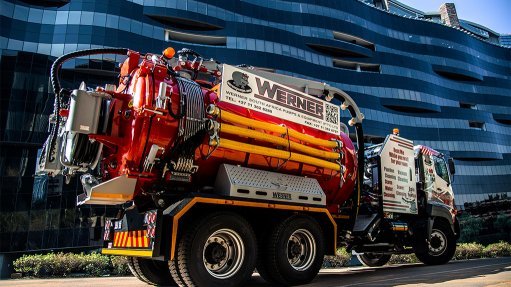
For over 30 years, Werner South Africa Pumps & Equipment (PTY) LTD has been designing, manufacturing, supplying and maintaining specialist...
VISIT SHOWROOM
Press Office
Announcements
What's On
Subscribe to improve your user experience...
Option 1 (equivalent of R125 a month):
Receive a weekly copy of Creamer Media's Engineering News & Mining Weekly magazine
(print copy for those in South Africa and e-magazine for those outside of South Africa)
Receive daily email newsletters
Access to full search results
Access archive of magazine back copies
Access to Projects in Progress
Access to ONE Research Report of your choice in PDF format
Option 2 (equivalent of R375 a month):
All benefits from Option 1
PLUS
Access to Creamer Media's Research Channel Africa for ALL Research Reports, in PDF format, on various industrial and mining sectors
including Electricity; Water; Energy Transition; Hydrogen; Roads, Rail and Ports; Coal; Gold; Platinum; Battery Metals; etc.
Already a subscriber?
Forgotten your password?
Receive weekly copy of Creamer Media's Engineering News & Mining Weekly magazine (print copy for those in South Africa and e-magazine for those outside of South Africa)
➕
Recieve daily email newsletters
➕
Access to full search results
➕
Access archive of magazine back copies
➕
Access to Projects in Progress
➕
Access to ONE Research Report of your choice in PDF format
RESEARCH CHANNEL AFRICA
R4500 (equivalent of R375 a month)
SUBSCRIBEAll benefits from Option 1
➕
Access to Creamer Media's Research Channel Africa for ALL Research Reports on various industrial and mining sectors, in PDF format, including on:
Electricity
➕
Water
➕
Energy Transition
➕
Hydrogen
➕
Roads, Rail and Ports
➕
Coal
➕
Gold
➕
Platinum
➕
Battery Metals
➕
etc.
Receive all benefits from Option 1 or Option 2 delivered to numerous people at your company
➕
Multiple User names and Passwords for simultaneous log-ins
➕
Intranet integration access to all in your organisation