World Bank report highlights potential of smarter water use

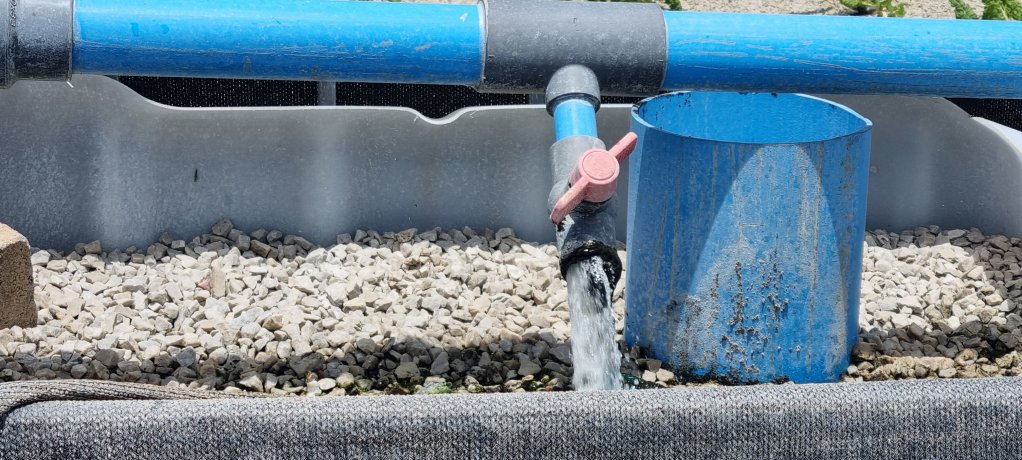



Rebalancing water use across the global food system is key to meeting future food demand sustainably and could generate 245-million long-term jobs, largely in sub-Saharan Africa, a new World Bank Group report posits.
The report, ‘Nourish and Flourish: Water Solutions to Feed 10 Billion People on a Liveable Planet’, indicates that current agricultural water management practices, marked by overuse in some countries and underuse in others, can only sustainably support food production for less than half the global population.
It predicts that, by 2050, ten-billion people will need to be fed, and that addressing both the overuse that depletes water in stressed regions and the underuse that leaves available water and productive capacity untapped in water-abundant regions will be essential to meet that demand sustainably.
The report introduces a new framework for agricultural water management that links water availability with food production and trade.
By categorising countries based on water stress and their food import or export status, the framework assists with identifying where expanding rainfed agriculture can increase food production, where irrigation investments can unlock jobs and growth, where water use must be rebalanced to protect ecosystems and future productivity and where trade offers a more sustainable path than local production.
“The way we manage water for food will have profound implications for jobs, livelihoods, and economic growth. By making smarter choices about where crops are grown, how water is allocated and how trade supports food security, we can strengthen resilience, expand opportunity, and safeguard the resources which we all rely on,” says World Bank Group MD and chief knowledge officer Paschal Donohoe.
Realising these outcomes will require stronger private-sector participation and financing alongside public investment, supported by effective policies, institutions and regulations to boost food production, create jobs and support sustainable growth, the organisation points out.
It notes that public funding alone is unable to deliver the sustained services, innovation and scale needed to expand irrigation, improve performance and maintain results.
The bank highlights that farmers, who are the primary users of irrigation and its main investors, are willing to co-invest when access to finance, quality equipment, markets and digital tools reduces the risks and transaction costs they face.
“When investments in infrastructure and natural resources, business-enabling policies and private capital mobilisation come together, the impact can be greater than the sum of its parts.
“By linking global evidence with country realities, this framework can help policymakers navigate trade-offs and adapt food production to today’s water and climate realities – delivering food, jobs and resilience together,” World Bank Group planet VP Guangzhe Chen avers.
Expanding irrigation where water is available, alongside modernising existing systems, is estimated to require an additional $24-billion to $70-billion a year through to 2050.
The bank explains that governments already spend about $490-billion a year on agricultural support, most of it on subsidies.
It suggests that redirecting a portion of current spending, combined with regulatory reform and use of blended finance and public-private partnerships, will crowd in private capital, including co-investment by farmers and support financially sustainable water and food security.
Article Enquiry
Email Article
Save Article
Feedback
To advertise email advertising@creamermedia.co.za or click here
Research Reports
Projects


Latest Multimedia

Latest News

Showroom
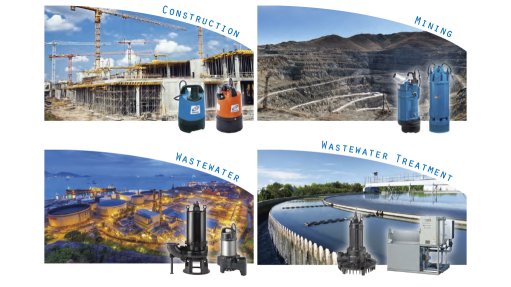
Tsurumi Pumps Africa is a specialist supplier of Japanese-engineered submersible pumping solutions, serving customers across the African continent.
VISIT SHOWROOM
ZF Aftermarket is the after-sales division of the world-renowned German ZF group, a global leader in mobility technology.
VISIT SHOWROOM



Press Office
Announcements
What's On
Subscribe to improve your user experience...
Option 1 (equivalent of R125 a month):
Receive a weekly copy of Creamer Media's Engineering News & Mining Weekly magazine
(print copy for those in South Africa and e-magazine for those outside of South Africa)
Receive daily email newsletters
Access to full search results
Access archive of magazine back copies
Access to Projects in Progress
Access to ONE Research Report of your choice in PDF format
Option 2 (equivalent of R375 a month):
All benefits from Option 1
PLUS
Access to Creamer Media's Research Channel Africa for ALL Research Reports, in PDF format, on various industrial and mining sectors
including Electricity; Water; Energy Transition; Hydrogen; Roads, Rail and Ports; Coal; Gold; Platinum; Battery Metals; etc.
Already a subscriber?
Forgotten your password?
Receive weekly copy of Creamer Media's Engineering News & Mining Weekly magazine (print copy for those in South Africa and e-magazine for those outside of South Africa)
➕
Recieve daily email newsletters
➕
Access to full search results
➕
Access archive of magazine back copies
➕
Access to Projects in Progress
➕
Access to ONE Research Report of your choice in PDF format
RESEARCH CHANNEL AFRICA
R4500 (equivalent of R375 a month)
SUBSCRIBEAll benefits from Option 1
➕
Access to Creamer Media's Research Channel Africa for ALL Research Reports on various industrial and mining sectors, in PDF format, including on:
Electricity
➕
Water
➕
Energy Transition
➕
Hydrogen
➕
Roads, Rail and Ports
➕
Coal
➕
Gold
➕
Platinum
➕
Battery Metals
➕
etc.
Receive all benefits from Option 1 or Option 2 delivered to numerous people at your company
➕
Multiple User names and Passwords for simultaneous log-ins
➕
Intranet integration access to all in your organisation