


Surface miners face mounting challenges post Covid survival


LETISHA VAN DEN BERG Further diesel price increases will continue to erode an already strained profit margin for the fuel-intensive surface mining sector
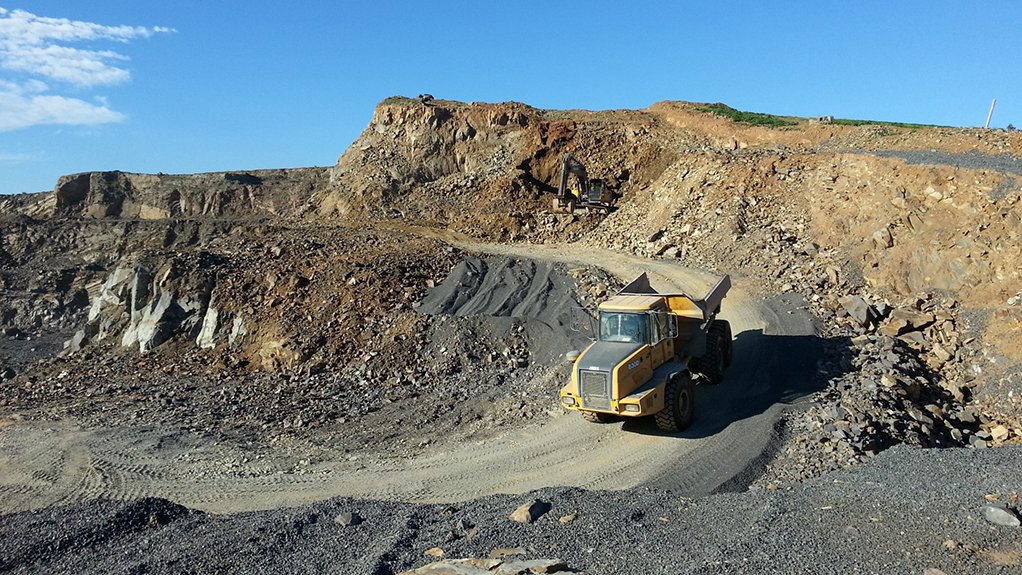
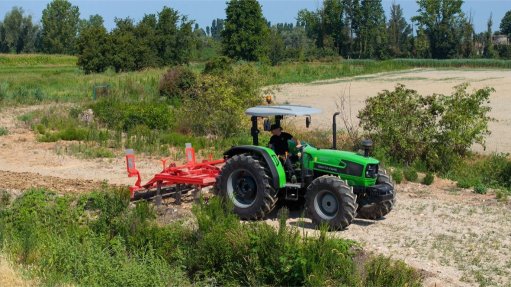
INDUSTRY INSTABILITY A sluggish construction sector has resulted in lower demand for various commodities supplied by small surface mines, demonstrating the ripple effect of lower infrastructure development
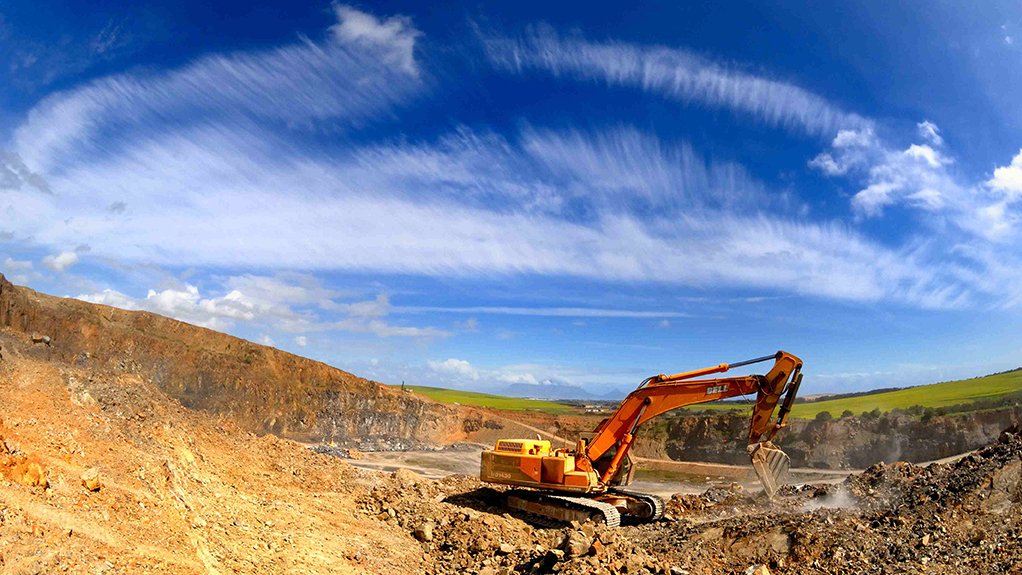
MOUNTING PRESSURE Amid other challenges, rising diesel prices are further eroding small-scale surface miners' competitiveness



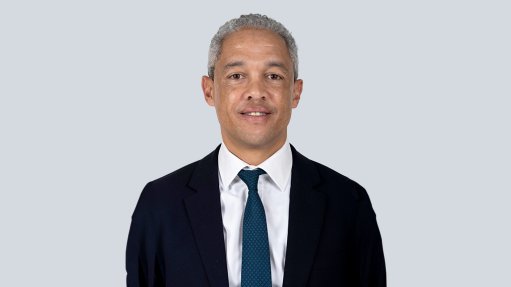
The small-scale surface mining and opencast sector is contending with complex challenges – including lower affiliated commodities’ demand and illegal mining – which are hindering the industry’s ability to sustain itself and grow, says non-profit small surface mining association Aspasa director Letisha van den Berg.
The sector has still not recovered to pre-Covid-19 production levels, and with growth projected at 1.5% a year over the next three years, she warns that the trajectory is “not enough to sustain the industry in any meaningful way”.
The sector – which consists of various small surface mines mining various commodities – is subdued, largely owing to a decline in demand for construction materials owing to a sluggish construction sector, which, in turn, is a consequence of a shortage of infrastructure projects, says quarrying and surface mining professional body Institute of Quarrying Southern Africa chairperson Jeremy Hunter-Smith.
“Quarries rely on economic growth. We supply essential construction materials, and without that demand, we cannot thrive either,” he says.
Without quality aggregates, critical infrastructure – such as roads and other forms of property – cannot be constructed.
“Large-scale mining operations and commodities can rally off of the rand. When it weakens, gold, platinum and coal can benefit; however, small-scale mining must persist through industry downturns in anticipation of economic and infrastructure development recovery that will restore small-scale miners to a more favourable position,” advises Hunter-Smith.
The South African government’s commitment to the growth and maintenance of the construction sector is critical to the sustainability of the country’s small-scale mining industry, and municipal infrastructure projects need to be fast-tracked to ensure service delivery to their respective communities and to boost small-scale miners servicing those municipalities.
“[Infrastructure project] tenders appear, then close and resurface years later, with nothing to show for the intervening period. There is no firm government commitment to infrastructure delivery,” elaborates Hunter-Smith.
He adds that even when an infrastructure project does break ground, it can encounter community challenges and offers no guarantee of continuity. In some cases, projects are stalled for long periods, sometimes up to a year, owing to payment disputes along the supply chain, with suppliers then left without the anticipated income.
Further, Aspasa engages directly with the construction sector, and the Department of Public Works and Infrastructure at ministerial level, where timeous payments and project continuity are recognised issues; however, effective resolution of these challenges rests with government, says Van den Berg.
While quarrying operations can meet the needs of the construction sector with regard to providing construction materials for infrastructure projects, Hunter-Smith says government must encourage municipalities to undertake infrastructure development.
Additional Complexities
Small-scale surface miners are also contending with higher diesel prices, as a result of the residual effects of the US-Iran conflict.
Given the small-scale mining industry’s heavy reliance on diesel, further price increases will continue to erode an already strained profit margin, adds Van den Berg.
Another significant challenge is illegal mining, whereby syndicates process surface material and sell it as aggregate or sub-base material.
Van den Berg notes that quantifying the impact of illegally obtained materials is difficult, which limits the sector’s ability to demonstrate the full scale of the harm caused to legitimate small-scale surface miners.
Hunter-Smith adds that illegal miners can, at times, supply construction projects, thereby diverting work away from legitimate small-scale surface miners.
“Beyond the direct impact on legitimate operators, illegal extraction also carries serious environmental consequences. Illegal extractors do not adhere to environmental, health and safety regulations, resulting in long-term environmental degradation, river system pollution, hazardous working conditions and safety risks for surrounding communities,” he says.
To address this, Aspasa reports occurrences of illegal minerals extraction on a weekly basis; however, there are few effective measures in place to combat it, says Van den Berg.
“We have four or five platforms through which we report incidents, but nobody is willing to take accountability, and the only avenue available to us is to use these platforms to influence entities such as the Department of Mineral and Petroleum Resources or the South African Police Service [SAPS] to assist us in addressing these criminal activities,” she says.
Hunter-Smith notes that the SAPS is often ill-equipped to deal with such illegal activities, as there are no specified procedures or instructions governing how such cases should be handled.
Nonetheless, Aspasa is working with various stakeholders to raise awareness of the prevalence of illegal surface-minerals extraction and help distinguish between legitimate and illegitimate operators.
However, despite these efforts, Van den Berg emphasises the need for structured, multistakeholder engagement and formal mechanisms to effectively deter and respond to illegal material extraction.
Article Enquiry
Email Article
Save Article
Feedback
To advertise email advertising@creamermedia.co.za or click here
Research Reports

Projects


Latest Multimedia


Latest News
Showroom

Rooted in the hearts of South Africans, combining technology and a quest for perfection to bring you a battery of peerless standing. Willard...
VISIT SHOWROOM
The Steel Tube Export Association of South Africa was established to develop sustainable, internationally competitive carbon steel tube and pipe...
VISIT SHOWROOM



Announcements
What's On
Subscribe to improve your user experience...
Option 1 (equivalent of R125 a month):
Receive a weekly copy of Creamer Media's Engineering News & Mining Weekly magazine
(print copy for those in South Africa and e-magazine for those outside of South Africa)
Receive daily email newsletters
Access to full search results
Access archive of magazine back copies
Access to Projects in Progress
Access to ONE Research Report of your choice in PDF format
Option 2 (equivalent of R375 a month):
All benefits from Option 1
PLUS
Access to Creamer Media's Research Channel Africa for ALL Research Reports, in PDF format, on various industrial and mining sectors
including Electricity; Water; Energy Transition; Hydrogen; Roads, Rail and Ports; Coal; Gold; Platinum; Battery Metals; etc.
Already a subscriber?
Forgotten your password?
Receive weekly copy of Creamer Media's Engineering News & Mining Weekly magazine (print copy for those in South Africa and e-magazine for those outside of South Africa)
➕
Recieve daily email newsletters
➕
Access to full search results
➕
Access archive of magazine back copies
➕
Access to Projects in Progress
➕
Access to ONE Research Report of your choice in PDF format
RESEARCH CHANNEL AFRICA
R4500 (equivalent of R375 a month)
SUBSCRIBEAll benefits from Option 1
➕
Access to Creamer Media's Research Channel Africa for ALL Research Reports on various industrial and mining sectors, in PDF format, including on:
Electricity
➕
Water
➕
Energy Transition
➕
Hydrogen
➕
Roads, Rail and Ports
➕
Coal
➕
Gold
➕
Platinum
➕
Battery Metals
➕
etc.
Receive all benefits from Option 1 or Option 2 delivered to numerous people at your company
➕
Multiple User names and Passwords for simultaneous log-ins
➕
Intranet integration access to all in your organisation
