Supply chain visibility key to integration

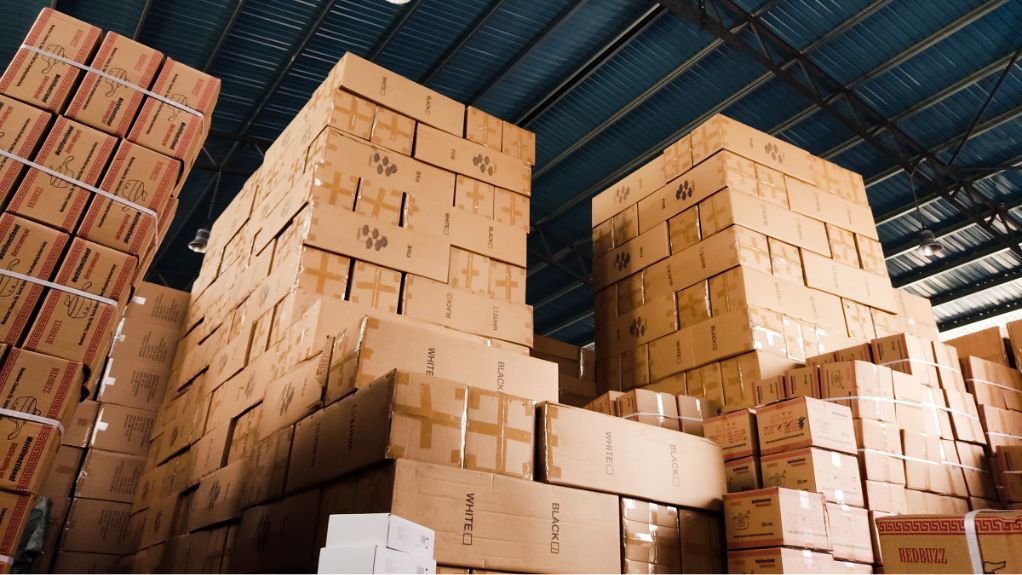
MULTIPLE INDUSTRIES Traceability systems needed to accommodate multiple industries and products instead of requiring separate systems for each category



The integration of African supply chains will require greater traceability, visibility and transparency across industries as markets become more liberalised under regional trade initiatives, technology solutions provider VirtualRouteZ founder and digitalisation director Dr Hennie Ras said at the GS1 South Africa Indaba 2026, held in Modderfontein on April 15.
Speaking during a presentation focused on African trade integration and supply chain readiness, Ras said liberalised markets are associated with increasing rules and regulations aimed at protecting public health and safety and limiting illicit trade and fraudulent practices.
Supply chain integration is a virtual process involving facilitation, coordination and alignment across value chains: “This requires real-time traceability, visibility, and transparency across supply chains, alongside a global shift away from declaratory certification towards forensically hard, events-based digital evidence of compliance,” he explained.
The same supply chain logic applies across industries, whether fashion, food or mining, from primary production to retail and end-use.
He explained that traceability systems need to accommodate multiple industries and products instead of requiring separate systems for every category.
Referring to a project undertaken in South Africa’s cotton industry between 2014 and 2018, Ras said a retailer had indicated the need for “a visibility and traceability solution that can accommodate any product on our shelves”.
Platforms capable of providing end-to-end traceability and visibility across industries already exist and rely heavily on global standards to establish traceability audit trails throughout supply chains.
“Selective AI computational models will increasingly support these systems as part of broader technology stacks,” he elaborated.
Ras distinguished between traceability, visibility and transparency within supply chains, describing traceability as the foundational identity-based audit trail across organisations, locations, products, logistics units and assets.
However, traceability alone does not provide information relating to process attributes, compliance with standards or supply-and-demand coordination. These are additional layers of visibility, each potentially with its own data capture requirements.
“It is about a visibility stack, and transparency is always the foundational layer in a visibility stack,” with the visibility of data and information referring to its shareability between trading parties within a supply chain programme, while transparency refers to information shared externally with the public through labels and platforms.
Ras also differentiated between verification and traceability: “Traceability includes verification and authentication, but verification is not traceability.” If there is no identity-based traceability audit trail across the supply chain, the logic used in a business solution is probably that of verification of what was dispatched and what was received.
Addressing trust in supply chains, he said regulatory trust depended on evidence capable of standing up in a court of law, particularly in liberalised markets where compliance requirements were expected to increase.
Consumer trust differs from regulatory trust, with consumers generally seeking alignment between product information and brand promises, while regulators require higher levels of verifiable evidence.
“Regulatory trust doesn’t develop over time, you design it into your traceability and your visibility system using the right kind of technologies,” Ras said, adding that African companies had an opportunity to strengthen trust in supply chains locally and internationally as regional trade integration progressed.
Article Enquiry
Email Article
Save Article
Feedback
To advertise email advertising@creamermedia.co.za or click here
Research Reports

Projects



Latest News


Showroom

ISO-certified Condra manufactures overhead cranes, portal cranes, cantilever cranes and crane components: hoists, drives, end-carriages, brakes and...
VISIT SHOWROOM
Rooted in the hearts of South Africans, combining technology and a quest for perfection to bring you a battery of peerless standing. Willard...
VISIT SHOWROOM



Press Office
Announcements
What's On
Subscribe to improve your user experience...
Option 1 (equivalent of R125 a month):
Receive a weekly copy of Creamer Media's Engineering News & Mining Weekly magazine
(print copy for those in South Africa and e-magazine for those outside of South Africa)
Receive daily email newsletters
Access to full search results
Access archive of magazine back copies
Access to Projects in Progress
Access to ONE Research Report of your choice in PDF format
Option 2 (equivalent of R375 a month):
All benefits from Option 1
PLUS
Access to Creamer Media's Research Channel Africa for ALL Research Reports, in PDF format, on various industrial and mining sectors
including Electricity; Water; Energy Transition; Hydrogen; Roads, Rail and Ports; Coal; Gold; Platinum; Battery Metals; etc.
Already a subscriber?
Forgotten your password?
Receive weekly copy of Creamer Media's Engineering News & Mining Weekly magazine (print copy for those in South Africa and e-magazine for those outside of South Africa)
➕
Recieve daily email newsletters
➕
Access to full search results
➕
Access archive of magazine back copies
➕
Access to Projects in Progress
➕
Access to ONE Research Report of your choice in PDF format
RESEARCH CHANNEL AFRICA
R4500 (equivalent of R375 a month)
SUBSCRIBEAll benefits from Option 1
➕
Access to Creamer Media's Research Channel Africa for ALL Research Reports on various industrial and mining sectors, in PDF format, including on:
Electricity
➕
Water
➕
Energy Transition
➕
Hydrogen
➕
Roads, Rail and Ports
➕
Coal
➕
Gold
➕
Platinum
➕
Battery Metals
➕
etc.
Receive all benefits from Option 1 or Option 2 delivered to numerous people at your company
➕
Multiple User names and Passwords for simultaneous log-ins
➕
Intranet integration access to all in your organisation