Substation Delivery Depends on the Strength of the Specialist Ecosystem




This article has been supplied and will be available for a limited time only on this website.
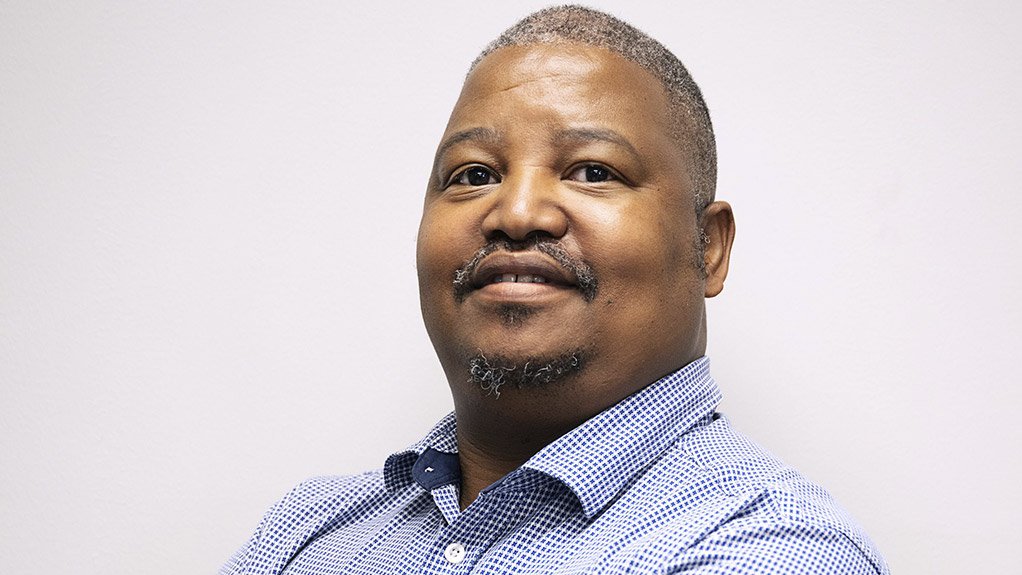
By: Nhlanhla Nkomo - Head of Sales at Southern Power Maintenance
In substation delivery, many of the risks that delay a project do not sit neatly inside one contractor’s scope. They sit in the handovers, dependencies and pressure points between scopes, where one team’s output becomes another team’s starting point.
Anyone who has been part of a procurement discussion with an Engineering, Procurement and Construction (EPC) contractor will recognise the environment. Around the table are different companies, each bringing a specific capability into the project. One may be responsible for civil works, another for electrical installation, another for mechanical support, protection and control, testing support, site services or logistics. On paper, those scopes can appear separate. On site, they are closely connected.
Civil readiness determines when electrical teams can begin. Equipment positioning affects access. Cable routes affect terminations. Earthing affects safety and performance. Documentation affects close-out. A weak handover from one work package can create pressure much further down the programme, often at the point where delays are harder to absorb.
This is why the role of specialist subcontractors deserves a more serious conversation. Their value is not only in the work they are appointed to perform. It is also in how well they understand the work around their work. In a substation environment, the success of a subcontractor’s scope is measured by more than completion. It is measured by whether that work allows the next phase to proceed with confidence.
For EPCs, that distinction matters. The EPC carries the full delivery responsibility. The client looks to the EPC for programme control, safety, quality, timing and final performance. A dependable subcontractor makes that responsibility easier to manage by arriving prepared, asking the right questions before mobilisation, working within the site safety system, respecting the project sequence, raising constraints early and handing over work in a way that does not leave the next contractor guessing.
These things may sound basic, but they are often where projects either gain control or lose it. Substation work is rarely as neat as the programme suggests at the start. Access can be limited. Shutdown windows can be tight. Equipment can arrive later than expected. Weather can affect civil progress. Another contractor’s delay can shift the sequence. A cable route that looked straightforward during planning can become more complicated once teams are working in the same space.
None of this automatically means the project has been poorly planned. It is the nature of infrastructure work. The difference lies in how quickly the teams on site recognise pressure points, communicate clearly and adjust without compromising safety or quality. Experienced subcontractors know where friction usually appears, and they understand that if one team’s output is incomplete, unclear or poorly documented, the next phase begins with avoidable pressure.
That kind of judgement is built through real site exposure. It shows in the way a team supervises its people, in whether its safety file reflects the actual work being performed, in whether method statements are treated as working documents rather than compliance files, and in whether the contractor raises issues early enough for the EPC to manage them properly.
Cost will always form part of procurement, and it should. Infrastructure projects have to be commercially responsible. But in substation work, value cannot be measured by price alone. The more useful question is what level of certainty a subcontractor brings into the programme. Can the team work safely in this environment? Does it understand the sequence? Will it keep proper records? Can it work under pressure without becoming careless? Will it leave the next team with clarity?
Those questions matter because substations are not isolated assets. They often sit behind mines, industrial plants, manufacturing facilities, renewable energy projects, utility networks and other operations where reliable power infrastructure is central to performance. A delay on site is not only a line on a project plan. It can affect production, capacity, reliability, operations and client confidence.
This is also why reputation matters in specialist subcontracting. EPCs remember the companies that make delivery easier. They remember who arrives prepared, who communicates clearly, who works safely, who takes accountability and who remains steady when the programme comes under pressure. They remember which teams leave completed work behind and which teams leave questions behind.
For South Africa’s infrastructure sector, this is an important point. The country needs a deeper base of specialist contractors that can participate meaningfully in complex projects. Subcontractors carry practical knowledge, develop site teams and strengthen the industrial base that large-scale infrastructure delivery depends on. But participation has to be matched by performance. Substation work is too important for symbolic involvement.
An EPC may carry overall responsibility, but the strength of the project is shaped by the ecosystem around it. Each specialist company affects the next one. Each handover either creates momentum or introduces friction. When the specialist ecosystem is strong, the EPC carries fewer surprises, the work moves with better coordination, and the client receives an asset that has been delivered with greater control.
Article Enquiry
Email Article
Save Article
Feedback
To advertise email advertising@creamermedia.co.za or click here
Research Reports

Projects
Latest Multimedia
Latest News

Showroom

The SAIMM started as a learned society in 1894 after the invention of the cyanide process that saved the South African gold mining industry of the...
VISIT SHOWROOM
Virtual Gas Network supplies compressed natural gas via a virtual gas distribution network.
VISIT SHOWROOM


Announcements
What's On
Subscribe to improve your user experience...
Option 1 (equivalent of R125 a month):
Receive a weekly copy of Creamer Media's Engineering News & Mining Weekly magazine
(print copy for those in South Africa and e-magazine for those outside of South Africa)
Receive daily email newsletters
Access to full search results
Access archive of magazine back copies
Access to Projects in Progress
Access to ONE Research Report of your choice in PDF format
Option 2 (equivalent of R375 a month):
All benefits from Option 1
PLUS
Access to Creamer Media's Research Channel Africa for ALL Research Reports, in PDF format, on various industrial and mining sectors
including Electricity; Water; Energy Transition; Hydrogen; Roads, Rail and Ports; Coal; Gold; Platinum; Battery Metals; etc.
Already a subscriber?
Forgotten your password?
Receive weekly copy of Creamer Media's Engineering News & Mining Weekly magazine (print copy for those in South Africa and e-magazine for those outside of South Africa)
➕
Recieve daily email newsletters
➕
Access to full search results
➕
Access archive of magazine back copies
➕
Access to Projects in Progress
➕
Access to ONE Research Report of your choice in PDF format
RESEARCH CHANNEL AFRICA
R4500 (equivalent of R375 a month)
SUBSCRIBEAll benefits from Option 1
➕
Access to Creamer Media's Research Channel Africa for ALL Research Reports on various industrial and mining sectors, in PDF format, including on:
Electricity
➕
Water
➕
Energy Transition
➕
Hydrogen
➕
Roads, Rail and Ports
➕
Coal
➕
Gold
➕
Platinum
➕
Battery Metals
➕
etc.
Receive all benefits from Option 1 or Option 2 delivered to numerous people at your company
➕
Multiple User names and Passwords for simultaneous log-ins
➕
Intranet integration access to all in your organisation