



South Africa’s used oil re-refining challenges


This article has been supplied.
The used oil industry in South Africa is thriving – out of 243 million litres of new oil sold per annum, 120 million litres is collected for recycling. However, currently only 10% of the used oil collected is re-refined back into base oil, with most being partially processed for fuel oil, to be used in furnaces, kilns and burners.
Meanwhile internationally, there is a significant trend towards re-refining back to base oil with the environmental case carrying weight, as South Africa struggles to transition towards a re-refining model.
The lubricants industry’s recycling organisation, the ROSE Foundation (Recycling Oil Saves The Environment) would ideally like to see South Africa follow in the footsteps of the global movement towards re-refining most used oil collected back to base oil.
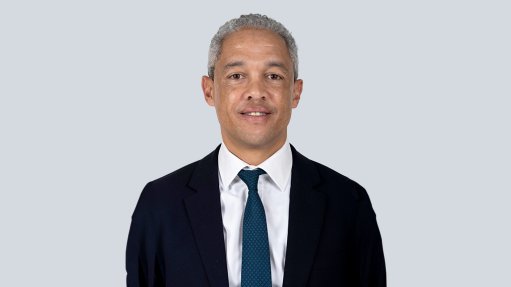
ROSE CEO Bubele Nyiba, explains that environmentally re-refining used oil is the ultimate solution, ”Re-refining means less utilization of natural resources; emissions of carcinogenic compounds through re-refining are 15 times lower; there is a very low production of pollutants; CO2 emissions from re-refining are two times lower; and re-refining offers an effective conservation of synthetic base oil compounds.”
Internationally, global warming and environmental pollution has intensified awareness of the need to recycle resources and to extend the lifespan of manufactured products.
“Coupled with the obvious environmental benefits of re-refining, there are potential economic benefits - South Africa has an over reliance on base-oil imports, which can carry long lead times and are impacted by exchange rates, logistics, weather patterns, port operations etc. All of which make re-refining an appealing choice for us,” says Nyiba.
South Africa’s re-refining challenges
“Unfortunately, even though South Africa needs to move more towards re-refining, the local market is driven on price and it is very expensive to set up a plant to produce high quality re-refined base oil. Installing the re-refining infrastructure runs into the millions and very few businesses can afford an outlay of this magnitude.”
“Coupled with this, are several other factors that inhibit the growth of the re-refining industry: we have a very high demand for burner fuels in South Africa; there are no government incentives supporting re-refining or products made from re-refined base oil; and power costs are high which impacts on the energy intensive processes involved in the generation of hydrogen (via electrolysis) and other re-refining plant operations.”
Nyiba also notes that re-refining facilities need to run 24/7 to be cost effective, and the quantity of used oil currently being collected in South Africa may not guarantee a steady flow to the re-refinery.
“We have world class re-refining plants already operating in South Africa, but even they have to import used oil from neighbouring countries to sustain a steady supply to their plants. Europe has a very high level of environmental awareness – they label their re-refined base oil with environmental endorsements. Our market is primarily driven on price and re-refined oil needs to compete on price with virgin oil.”
Nyiba explains that the European Union’s Waste Directive strongly favours re-refining over burning for energy recovery. As a result, it is thought that re-refined base oils could meet nearly a quarter of Europe’s base oil demand by 2020. “The international trend of refining the majority of used oil back to base oil is exciting, but unfortunately it is premature for a developing country like South Africa because of the prohibitive cost of the technology and developing the necessary processes.”
“While South Africa may not yet be able to adopt a European approach to used oil, a future imagined sees a focus on a closed loop and circular economy, which will see all used oil, emulsions and used ethylene glycol being collected for processing back into base oils, flux oils and fuel oils, which will be mixed, blended and filled into finished lubricant products for various uses," concludes Nyiba.
Article Enquiry
Email Article
Save Article
Feedback
To advertise email advertising@creamermedia.co.za or click here
Research Reports

Projects


Latest Multimedia


Latest News
Showroom

Sulzer South Africa, established in 1922, partners with critical industries like power, oil & gas, water, mining, and chemicals to boost...
VISIT SHOWROOM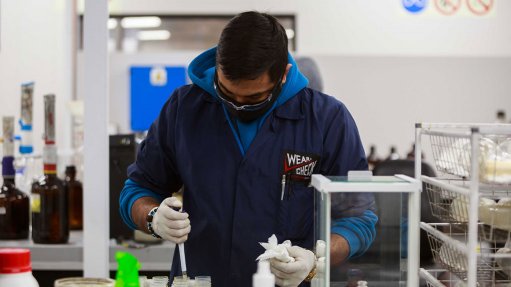
Leading condition monitoring specialists, WearCheck, help boost machinery lifespan and reduce catastrophic component failure through the scientific...
VISIT SHOWROOM



Press Office
Announcements
What's On
Subscribe to improve your user experience...
Option 1 (equivalent of R125 a month):
Receive a weekly copy of Creamer Media's Engineering News & Mining Weekly magazine
(print copy for those in South Africa and e-magazine for those outside of South Africa)
Receive daily email newsletters
Access to full search results
Access archive of magazine back copies
Access to Projects in Progress
Access to ONE Research Report of your choice in PDF format
Option 2 (equivalent of R375 a month):
All benefits from Option 1
PLUS
Access to Creamer Media's Research Channel Africa for ALL Research Reports, in PDF format, on various industrial and mining sectors
including Electricity; Water; Energy Transition; Hydrogen; Roads, Rail and Ports; Coal; Gold; Platinum; Battery Metals; etc.
Already a subscriber?
Forgotten your password?
Receive weekly copy of Creamer Media's Engineering News & Mining Weekly magazine (print copy for those in South Africa and e-magazine for those outside of South Africa)
➕
Recieve daily email newsletters
➕
Access to full search results
➕
Access archive of magazine back copies
➕
Access to Projects in Progress
➕
Access to ONE Research Report of your choice in PDF format
RESEARCH CHANNEL AFRICA
R4500 (equivalent of R375 a month)
SUBSCRIBEAll benefits from Option 1
➕
Access to Creamer Media's Research Channel Africa for ALL Research Reports on various industrial and mining sectors, in PDF format, including on:
Electricity
➕
Water
➕
Energy Transition
➕
Hydrogen
➕
Roads, Rail and Ports
➕
Coal
➕
Gold
➕
Platinum
➕
Battery Metals
➕
etc.
Receive all benefits from Option 1 or Option 2 delivered to numerous people at your company
➕
Multiple User names and Passwords for simultaneous log-ins
➕
Intranet integration access to all in your organisation
