Rehabilitation Strategy Implementation Plans



This article has been supplied.
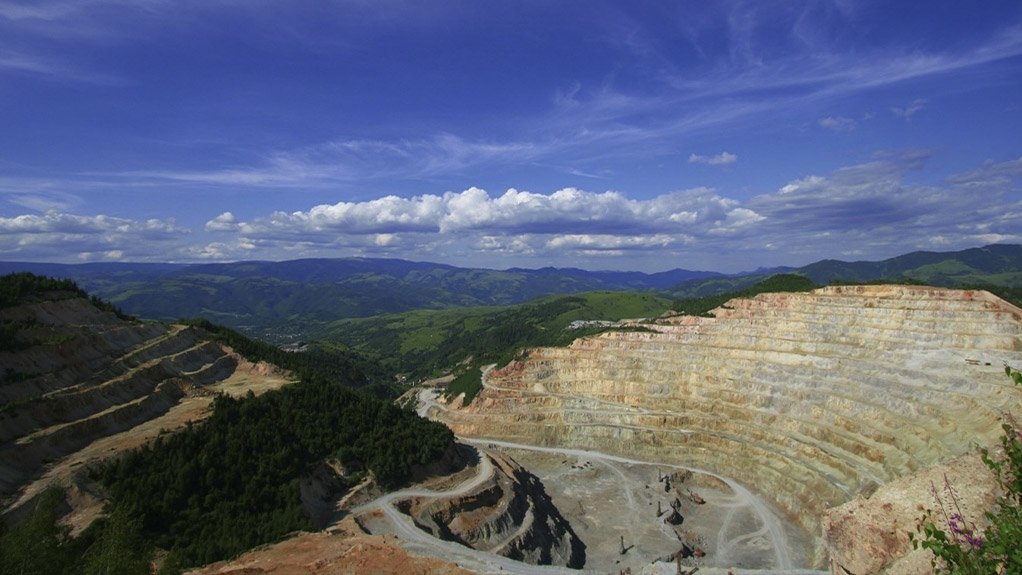
(Virtual Showroom): Rehabilitation Strategy Implementation Plans (RSIP) is a crucial tool used in the mining industry to ensure the responsible and sustainable management of mine sites. The implementation of RSIP’s has become increasingly important in recent years as companies strive to comply with the country's environmental regulations, promote social responsibility, and build positive relationships with local communities and is an important component of responsible mining practices, particularly in South Africa, where mining operations have a significant impact on the environment.
An RSIP is a roadmap that outlines the steps required to manage and rehabilitate a mine site, with the ultimate goal of returning the site to a state that is as close to its pre-mining condition as possible. As an environmental consultancy, our focus is on ensuring that mining operations are carried out in a manner that is sustainable and minimizes negative impacts on the environment. We believe that an RSIP is an essential tool for achieving this goal, as it provides a structured approach to mine site rehabilitation.
The mining industry has been a vital contributor to the country's economic development for many years. The industry has, however, faced increasing scrutiny for its impact on the environment and surrounding communities. In response to these concerns, the South African government has introduced a range of regulations designed to promote responsible mining practices. One of these is the requirement of mining companies to develop and implement an RSIP for each site, as well as the development of a comprehensive closure and rehabilitation plans.
The primary intention of an RSIP is to ensure that mining operations are conducted in a manner that minimizes their impact on the environment and surrounding communities. The plan is designed to guide mining operations through the stages of closure, decommissioning, and rehabilitation, ensuring that the land is returned to a safe and sustainable state once the mining has ended. By implementing a well-designed RSIP, mining operations can minimize environmental and social damage, reduce the long-term liability for companies, and contribute to the social and economic development of local communities.
An RSIP should be developed in consultation with a range of stakeholders, including local communities, environmental groups, and regulatory bodies. This ensures that the plan takes into account the concerns and priorities of all relevant parties, and that it is aligned with local environmental and social standards.
The RSIP should also include a detailed timeline for implementation, with clear milestones and deadlines for each stage of the rehabilitation process. This ensures that progress can be tracked and that the rehabilitation process is completed in a timely manner.
In addition, an RSIP should be designed to be flexible and adaptable, so that it can be modified as new information becomes available, or if unexpected events occur. This is particularly important in the mining industry, where the environmental and social impacts of mining can be difficult to predict and where Water Use Licences set specific requirements to ensure the RSIP remains current.
Finally, an RSIP should be supported by adequate resources, including financial, technical, and human resources. This ensures that the plan can be effectively implemented and that the rehabilitation process can be completed in a manner that is both efficient and effective.
In summary, an RSIP is a critical tool for ensuring that mining operations in South Africa are carried out in a manner that is sustainable and responsible. By providing a structured approach to mine site rehabilitation, an RSIP helps to minimize negative impacts on the environment and ensures that mine sites are returned to a condition that is suitable for future use. As an environmental consultancy, we believe that an RSIP should be an integral part of any mining operation in South Africa, and we are committed to working with our clients to develop and implement effective RSIP’s that meet local environmental and regulatory standards.
Article Enquiry
Email Article
Save Article
Feedback
To advertise email advertising@creamermedia.co.za or click here
Research Reports

Projects


Latest Multimedia

Latest News


Showroom
Established in 1983, the ASTPM is an industry association and representative body of the welded carbon steel tube and pipe manufacturers of South...
VISIT SHOWROOM
We partner growth of our select clients through our comprehensive and competitive integrated international logistics, trade finance and information...
VISIT SHOWROOM



Announcements
What's On
Subscribe to improve your user experience...
Option 1 (equivalent of R125 a month):
Receive a weekly copy of Creamer Media's Engineering News & Mining Weekly magazine
(print copy for those in South Africa and e-magazine for those outside of South Africa)
Receive daily email newsletters
Access to full search results
Access archive of magazine back copies
Access to Projects in Progress
Access to ONE Research Report of your choice in PDF format
Option 2 (equivalent of R375 a month):
All benefits from Option 1
PLUS
Access to Creamer Media's Research Channel Africa for ALL Research Reports, in PDF format, on various industrial and mining sectors
including Electricity; Water; Energy Transition; Hydrogen; Roads, Rail and Ports; Coal; Gold; Platinum; Battery Metals; etc.
Already a subscriber?
Forgotten your password?
Receive weekly copy of Creamer Media's Engineering News & Mining Weekly magazine (print copy for those in South Africa and e-magazine for those outside of South Africa)
➕
Recieve daily email newsletters
➕
Access to full search results
➕
Access archive of magazine back copies
➕
Access to Projects in Progress
➕
Access to ONE Research Report of your choice in PDF format
RESEARCH CHANNEL AFRICA
R4500 (equivalent of R375 a month)
SUBSCRIBEAll benefits from Option 1
➕
Access to Creamer Media's Research Channel Africa for ALL Research Reports on various industrial and mining sectors, in PDF format, including on:
Electricity
➕
Water
➕
Energy Transition
➕
Hydrogen
➕
Roads, Rail and Ports
➕
Coal
➕
Gold
➕
Platinum
➕
Battery Metals
➕
etc.
Receive all benefits from Option 1 or Option 2 delivered to numerous people at your company
➕
Multiple User names and Passwords for simultaneous log-ins
➕
Intranet integration access to all in your organisation