



Pod structure boosts quality and innovation at Paragon Group






This article has been supplied.
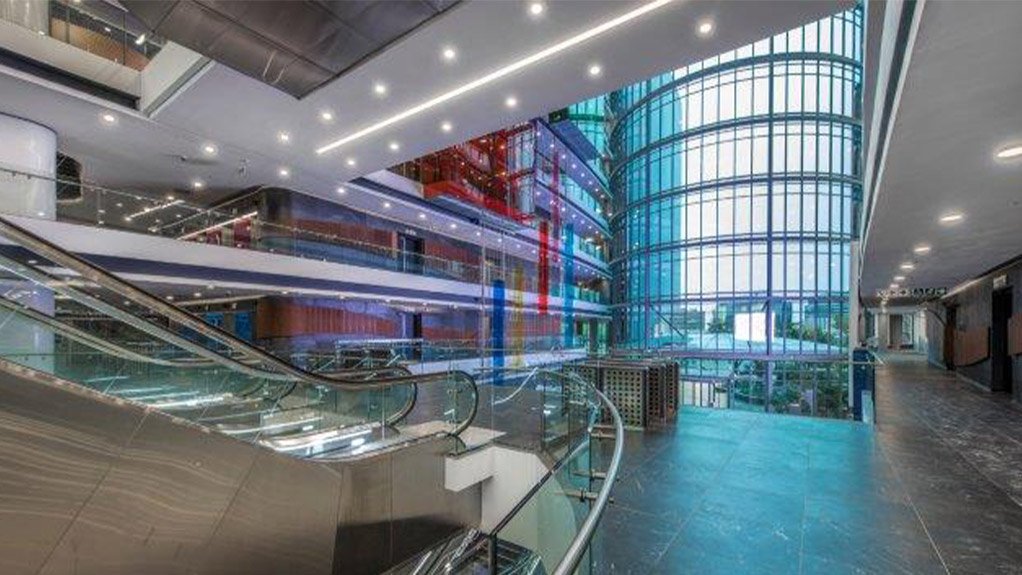
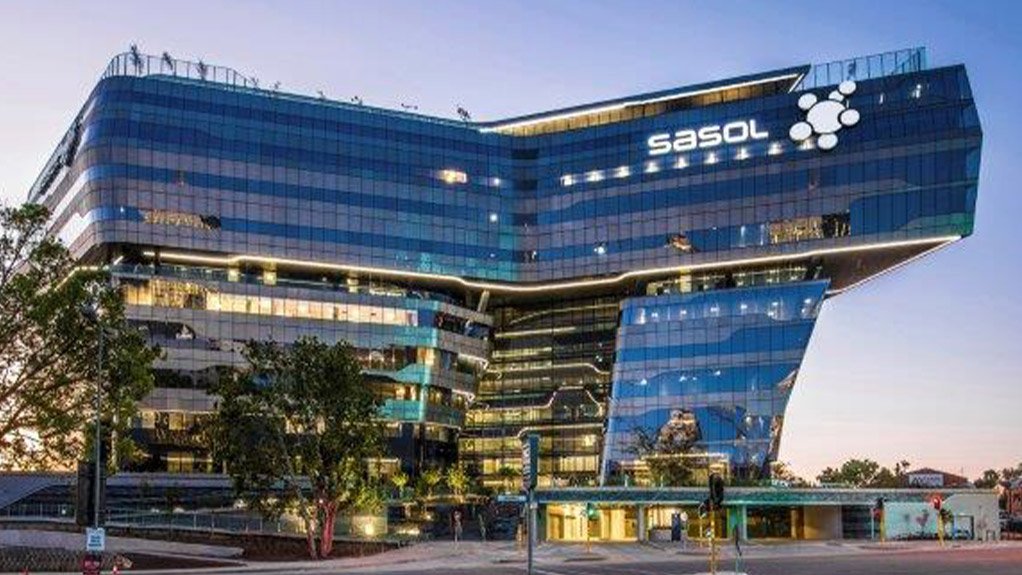
The secret to Paragon Group’s ongoing success as a leading architecture and interior architecture practice in South Africa is its talented staff. The group has been behind some of the most iconic projects in the high-profile Rosebank and Sandton areas of Johannesburg, from Sasol Place to the new Discovery head office, the Alice Lane precinct, 144 Oxford Road, and Katherine Towers.
A recent innovation at Paragon Group to maximise its talent and skills, and to ensure that the design solutions supplied to clients are of the highest quality, has been to form teams of diverse skill sets and responsibilities. Known as pods, these teams are then allocated projects according to their specific strengths, and overseen by a senior Paragon Group staff member, who also acts as a mentor.
The impetus for the pods was to ensure that all employees receive the maximum benefit of the experience of the most highly-skilled and experienced staff members, while also acquiring new skills and transitioning into mentoring roles themselves.
“We found that the traditional approach was not that efficient,” Paragon Group Senior Architectural Technologist and Pod Leader Taz-Wynne Superman explains. Traditionally, a senior staff member would oversee a project in a top-down approach, connecting with all the staff members necessary as and when required.
“We then came up with another system whereby the more senior staff members are allocated much smaller groups that, in turn, comprise specific skills or experience. The immediate benefit for our clients is that the quality of our work is enhanced, as any design issues can be clarified at a much earlier stage, thereby minimising any rework or liability considerations,” Taz-Wynne points out.
Another benefit of the pod structure is that it streamlines the interface between Paragon Group and its clients. “A critical aspect of project management is how we deal with our clients and the rest of the professional team. Constant monitoring and steering the team in the right direction is vital.”
Hence a particular pod has oversight in terms of any quality issues on a project, while at the same time acting as an incubator for up-and-coming talent, affording young Paragon staff a collaborative environment in which they can grow. “This is in line with our approach of hiring young talent, and then inculcating them in our way of doing things. All architectural practices have different ways of working. We are proud of our work, and how efficient we are,” Taz-Wynne emphasises.
A major benefit of the pod structure for Paragon staff is that it allows them to gain experience in all aspects of a project, particularly the larger projects like 144 Oxford Road that can run for a couple of years. “A pod can be assigned more than one project, of different scopes and sizes, thereby giving all members of that pod a chance to work on different aspects that they would not normally be exposed to.”
This means that staff can grapple with both design and technical issues, which combines creativity with engineering concerns. “Larger projects invariably contain a lot of design work, while smaller projects tend to be more technical in nature. Other projects may be speculative design proposals only, and never even reach the construction stage. This means we can allocate resources accordingly in order to keep everyone motivated,” Taz-Wynne elaborates.
“We find that the pod structure allows our staff to flourish in what they are best at. Whether your strength is on the technical side, in liaising with clients, or in dealing with the design elements, there is a pod for everyone.” Another advantage is cross-pollination across different pods, which can draw on strengths from each other when it is needed, or when deadline pressure requires more resources to be allocated.
“In the past, on a major project like 115 West Street (Alexander Forbes), we would have had a team of four overseeing the entire project. Now we can easily deploy a pod of eight, with skills and knowledge that feed off each other, in addition to having access to the necessary support and back-up. The pressure and stress associated with tight timeframes is reduced, allowing for more innovation and better-quality control,” Taz-Wynne concludes.
Article Enquiry
Email Article
Save Article
Feedback
To advertise email advertising@creamermedia.co.za or click here
Research Reports

Projects


Latest Multimedia

Latest News


Showroom
The Beneficiation Academy is a certified training institution that follows all compliance legislation and is accredited with various Sector...
VISIT SHOWROOM
Sulzer South Africa, established in 1922, partners with critical industries like power, oil & gas, water, mining, and chemicals to boost...
VISIT SHOWROOM



Announcements
What's On
Subscribe to improve your user experience...
Option 1 (equivalent of R125 a month):
Receive a weekly copy of Creamer Media's Engineering News & Mining Weekly magazine
(print copy for those in South Africa and e-magazine for those outside of South Africa)
Receive daily email newsletters
Access to full search results
Access archive of magazine back copies
Access to Projects in Progress
Access to ONE Research Report of your choice in PDF format
Option 2 (equivalent of R375 a month):
All benefits from Option 1
PLUS
Access to Creamer Media's Research Channel Africa for ALL Research Reports, in PDF format, on various industrial and mining sectors
including Electricity; Water; Energy Transition; Hydrogen; Roads, Rail and Ports; Coal; Gold; Platinum; Battery Metals; etc.
Already a subscriber?
Forgotten your password?
Receive weekly copy of Creamer Media's Engineering News & Mining Weekly magazine (print copy for those in South Africa and e-magazine for those outside of South Africa)
➕
Recieve daily email newsletters
➕
Access to full search results
➕
Access archive of magazine back copies
➕
Access to Projects in Progress
➕
Access to ONE Research Report of your choice in PDF format
RESEARCH CHANNEL AFRICA
R4500 (equivalent of R375 a month)
SUBSCRIBEAll benefits from Option 1
➕
Access to Creamer Media's Research Channel Africa for ALL Research Reports on various industrial and mining sectors, in PDF format, including on:
Electricity
➕
Water
➕
Energy Transition
➕
Hydrogen
➕
Roads, Rail and Ports
➕
Coal
➕
Gold
➕
Platinum
➕
Battery Metals
➕
etc.
Receive all benefits from Option 1 or Option 2 delivered to numerous people at your company
➕
Multiple User names and Passwords for simultaneous log-ins
➕
Intranet integration access to all in your organisation
