


Opinion Piece: The truth about a Zero Tolerance Policy

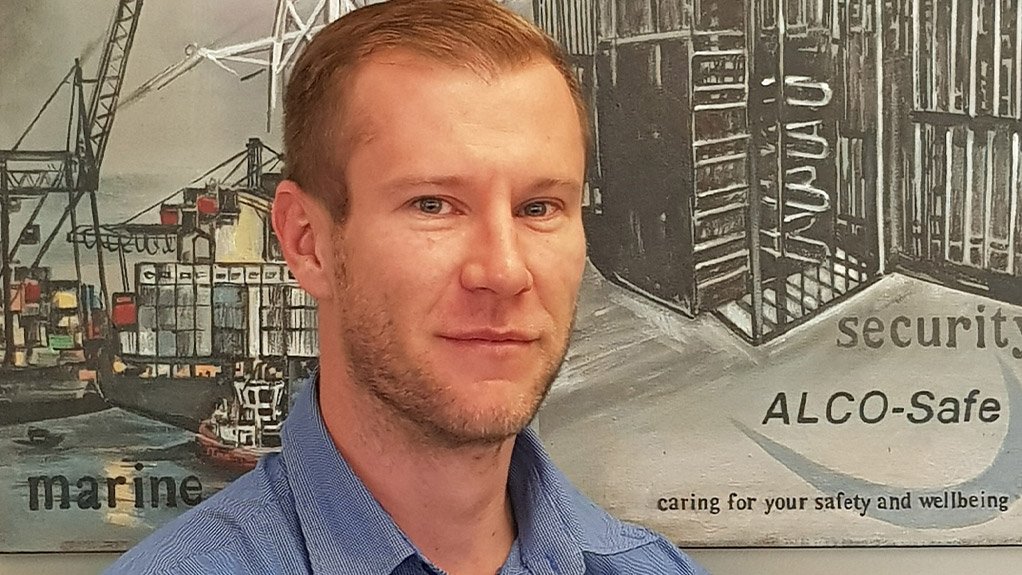



This article has been supplied.
By Rhys Evans, Director at ALCO-Safe
Businesses take different approaches to alcohol tolerance at the workplace. The Occupational Health & Safety (OHS) Act dictates many of the rules that businesses implement, including disallowing any person who is or appears to be under the influence of alcohol or drugs to enter or remain at the workplace, among others.
Due to this, and for various reasons pertinent to the industry or business itself, many companies have employed a zero-tolerance policy towards alcohol and drugs. However, the concept of ‘zero tolerance’ is widely misunderstood.
What is ‘zero tolerance’?
A zero-tolerance policy towards alcohol and drugs means that employees may not be permitted to work if they are found to have any trace of alcohol or drugs in their system, when tested. It does notmean that a company will immediately fire an employee that tests positive for alcohol and drugs.
A zero-tolerance policy should not be promoted as a punitive measure, rather it should be seen as necessary for the health and safety of all employees working for the organization. Many employees live in fear of a zero-tolerance policy, partly because the policy is not explained properly to employees and partly because of a lack of education around drugs and alcohol. Employees assume that if they have a drink and alcohol is discovered in their bloodstream, they will be fired or face disciplinary action. This is not necessarily the case.
The truth about zero tolerance and disciplinary action
Businesses still need to follow due process and, if the person is a first offender and has traces of alcohol in their system, they are often simply told to go home and return the next day.
Many Businesses also offer assistance such as rehab and/or counselling, if the employee is a repeat offender and often found to be intoxicated when entering the work place.
The business end of zero tolerance
Beyond following due process, businesses need to back up their zero-tolerance policy in several ways. It’s important that if they employ such a policy, they communicate the details of the policy to all staff clearly, properly, and frequently. Employees need to understand their limitations, rights, responsibilities and what the processes are should they violate the policy in any way.
Businesses will need to undertake regular alcohol and drug testing, as well as communicate this intention and the testing process to employees. Employees need to understand the reasons and repercussions for being tested. However, it’s also vital that employees feel assured that their privacy will not be violated – businesses should conduct testing privately or, failing that, communicate their findings and resulting actions to the responsible employee in privacy, away from colleagues.
Businesses should engage closely with Human Resource (HR) experts, their local labour unions and alcohol education programs to ensure they follow the right courses of action to back up their zero-tolerance policy.
What employees need to know
There are some instances where alcohol and drug related incidents can be an immediate fireable offense. For example, if it contravenes any law, such as an employee being in possession of an illegal substance, or if the employee is intoxicated enough to cause damage to property/another person. In such instances, a business may involve the police and lay formal charges to support their dismissal of the offender.
Beyond such extreme circumstances, however, employees should know that they aren’t forbidden to drink at all in their personal lives. It’s important for employers to educate their employees on how alcohol is measured and how long it takes to leave their bloodstream enabling them to understand their limits. This allows them to know when they may drink and how much, giving them the trust to act responsibly. This varies from person to person, depending on their weight and how many units of alcohol they have consumed. If they understand this, they know how much they may drink and when, to ensure they have no alcohol in their system when they get to work. In general, it is assumed that it takes the human body about an hour for the liver to digest one beer (330ml) with a volume of 5% alcohol.
A zero-tolerance policy should not be a terrifying prospect but should rather be seen as one which can benefit both the business and its employees, reducing risk for the former while protecting the health and best interests of the latter.
Article Enquiry
Email Article
Save Article
Feedback
To advertise email advertising@creamermedia.co.za or click here
Research Reports

Projects


Latest Multimedia


Latest News

Showroom

ESAB South Arica, the leading supplier of high-end welding and cutting products to the Southern African industrial market is based in...
VISIT SHOWROOM
Established in 1983, the ASTPM is an industry association and representative body of the welded carbon steel tube and pipe manufacturers of South...
VISIT SHOWROOM


Press Office
Announcements
What's On
Subscribe to improve your user experience...
Option 1 (equivalent of R125 a month):
Receive a weekly copy of Creamer Media's Engineering News & Mining Weekly magazine
(print copy for those in South Africa and e-magazine for those outside of South Africa)
Receive daily email newsletters
Access to full search results
Access archive of magazine back copies
Access to Projects in Progress
Access to ONE Research Report of your choice in PDF format
Option 2 (equivalent of R375 a month):
All benefits from Option 1
PLUS
Access to Creamer Media's Research Channel Africa for ALL Research Reports, in PDF format, on various industrial and mining sectors
including Electricity; Water; Energy Transition; Hydrogen; Roads, Rail and Ports; Coal; Gold; Platinum; Battery Metals; etc.
Already a subscriber?
Forgotten your password?
Receive weekly copy of Creamer Media's Engineering News & Mining Weekly magazine (print copy for those in South Africa and e-magazine for those outside of South Africa)
➕
Recieve daily email newsletters
➕
Access to full search results
➕
Access archive of magazine back copies
➕
Access to Projects in Progress
➕
Access to ONE Research Report of your choice in PDF format
RESEARCH CHANNEL AFRICA
R4500 (equivalent of R375 a month)
SUBSCRIBEAll benefits from Option 1
➕
Access to Creamer Media's Research Channel Africa for ALL Research Reports on various industrial and mining sectors, in PDF format, including on:
Electricity
➕
Water
➕
Energy Transition
➕
Hydrogen
➕
Roads, Rail and Ports
➕
Coal
➕
Gold
➕
Platinum
➕
Battery Metals
➕
etc.
Receive all benefits from Option 1 or Option 2 delivered to numerous people at your company
➕
Multiple User names and Passwords for simultaneous log-ins
➕
Intranet integration access to all in your organisation
