



New tool aims to provide holistic view of water-consumption patterns

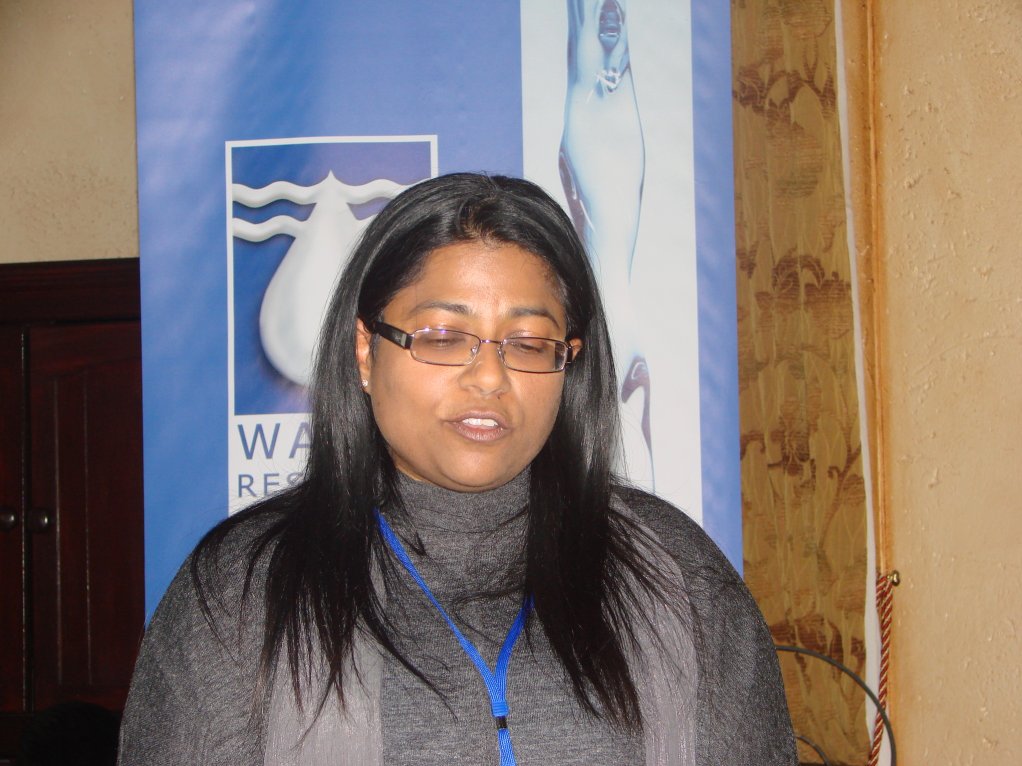
VALERIE NAIDOO Water-footprint assessments can help to initiate and develop discussions on water and sustainability among industries, regulators, researchers and communities
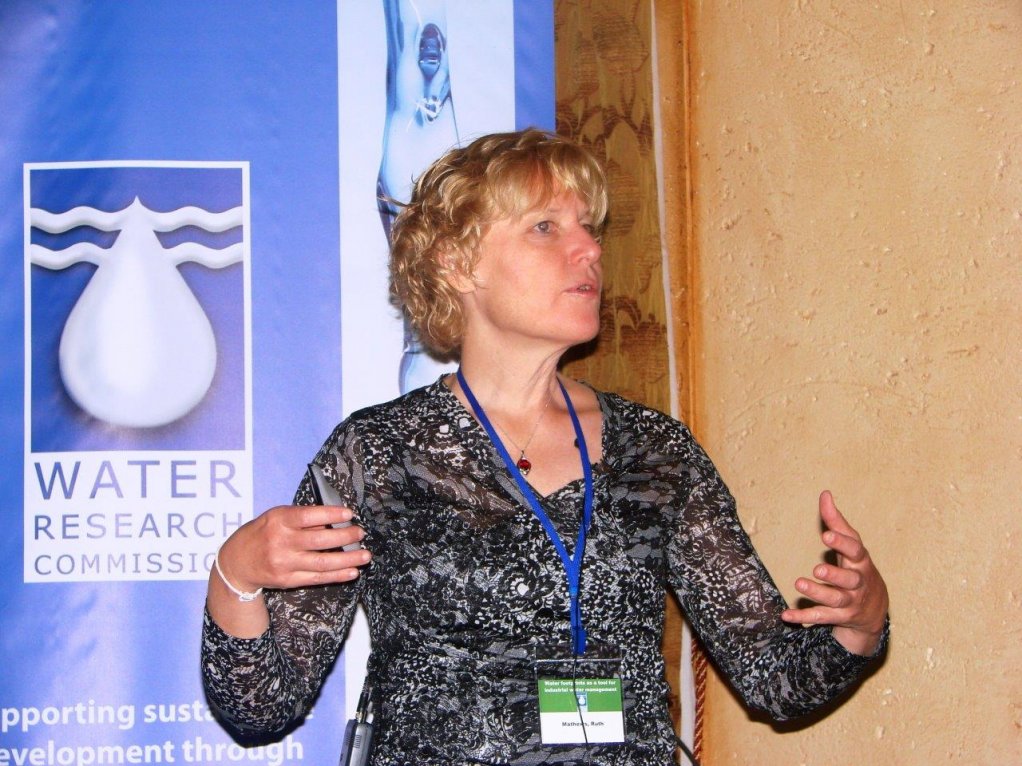
RUTH MATHEWSWater-footprint assessments are used to determine the water required to produce products, enabling companies to engage with their suppliers to reduce water consumption and impacts
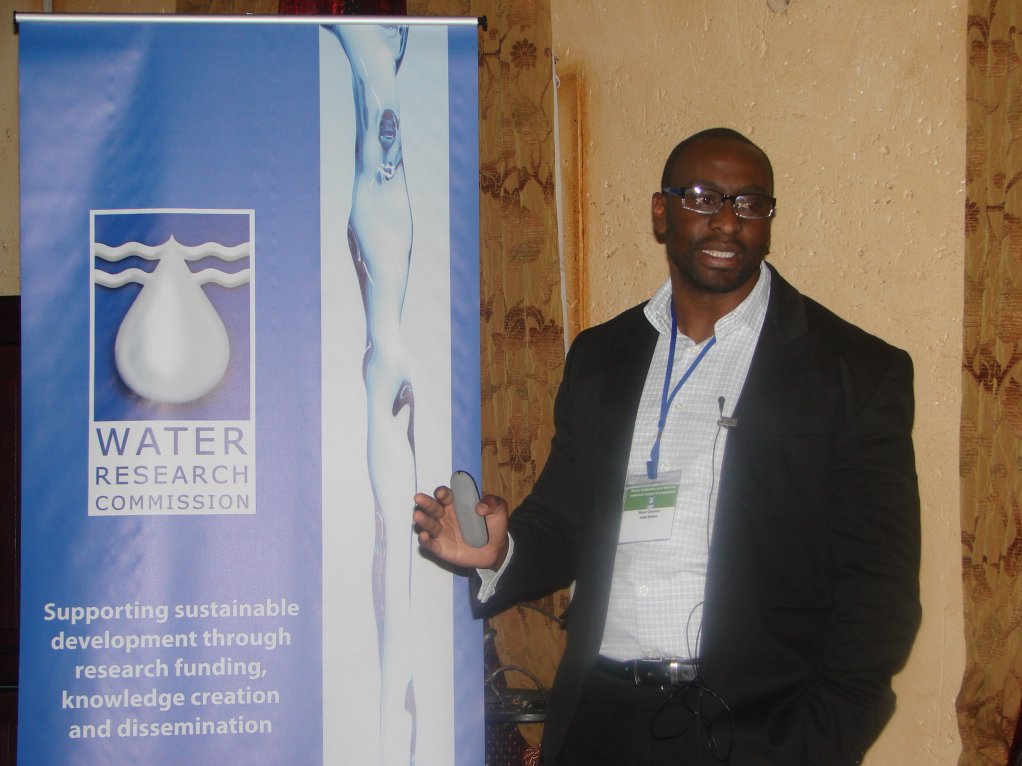
MUZI CHONCO Water footprinting is not an isolated mechanism for sustainable development, but is an important tool
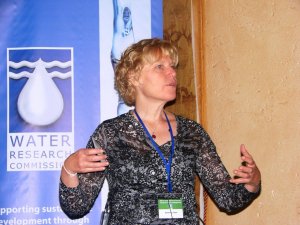
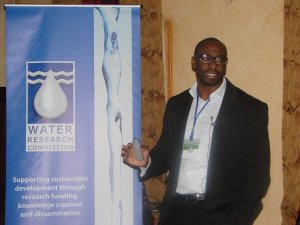


The Water Research Commission (WRC) aims to create a draft guide for determining water footprints in South Africa, based on the internationally developed Water Footprint Network’s holistic methodology, says WRC water use and waste management research manager Dr Valerie Naidoo.
The guide will advise industries on how they can use the new tool to determine their precise impacts on the water cycle, the sustainability of their water use and their responses to their impacts.
“The water footprint methodology helps to determine where water resources are consumed or affected, enabling companies and organisations to determine appropriate responses throughout their supply chains to reduce their impacts on water resources,” says Naidoo.
The water footprint methodology was developed by international nonprofit organi- sation Water Footprint Network under Dr Ruth Mathews. It assesses environmental water, namely rainfall, evaporation and transpiration, as well as surface and groundwater offtake and return flows. It also assesses water pollution, which entails an evaluation of the volume and concentration of pollutants discharged.
This holistic assessment methodology can determine the precise impacts on water as a result of human and commercial activity – it can even determine the difference between rainwater absorbed by commercial crops and that absorbed by indigenous flora.
“The Water Footprint Network was formed in 2008 to create a single water footprint assessment methodology that can be used internationally to avoid the ambiguity created by multiple assessment methodologies, such as those used for carbon footprint assessments,” she says.
Water-footprint assessments are also iterative and determine the amount of water required to produce products, enabling companies to engage with their suppliers to reduce water consumption and impacts and establish measurements to assess reduced water use, says Mathews.
These assessments also have the potential to initiate and develop discussions on water and sustainability among industries, regulators, researchers and communities based on a single, common methodology, highlights Naidoo.
Global brewer SABMiller has a long-running engagement with its water use. The company volunteered to do a water-footprint assessment as part of its water disclosure project and its sustainable development, says SABMiller sustainable development executive Muzi Chonco.
“Water footprinting is not an isolated mechanism for sustainable development, but is an important tool. Any sustainable development must make business sense for a company, but the response to the findings is the important part, with SABMiller favouring a ladder approach, where small-scale improvements to water use add up to larger-scale improvements across the group,” he says.
Following its assessment, SABMiller has consistently improved water consumption at its breweries. Currently, it focuses on improving water consumption in its supply chain and also supports water management and conservation efforts in the catchment areas from where it sources its hops and barley, Chonco highlights.
However, SABMiller is a large multinational with the resources and expertise required to conduct a water footprint assessment, while smaller local companies do not have the time or resources to conduct a full water footprint assessment, says industry body National Business Initiative climate change, water and biodiversity programme manager Steve Nicholls.
“The Department of Water Affairs should create a simpler and quicker water footprint assessment guideline for companies in South Africa to assess their water footprints and risks to enable swifter responses by smaller companies. These short water footprint assessments can then form part of a more detailed water footprint assessment in the industry,” he says.
Nicholls highlights that 71% of companies on the JSE acknowledge that they face risks from water constraints, but only 25% of them are taking action, as the responses seem complicated and only indirectly related to the businesses.
Article Enquiry
Email Article
Save Article
Feedback
To advertise email advertising@creamermedia.co.za or click here
Research Reports

Projects


Latest Multimedia


Latest News

Showroom

ISO-certified Condra manufactures overhead cranes, portal cranes, cantilever cranes and crane components: hoists, drives, end-carriages, brakes and...
VISIT SHOWROOM
Columbus Stainless, based in Middelburg, Mpumalanga, is Africa’s only producer of stainless steel flat products. In addition, Columbus is the only...
VISIT SHOWROOM



Press Office
Announcements
What's On
Subscribe to improve your user experience...
Option 1 (equivalent of R125 a month):
Receive a weekly copy of Creamer Media's Engineering News & Mining Weekly magazine
(print copy for those in South Africa and e-magazine for those outside of South Africa)
Receive daily email newsletters
Access to full search results
Access archive of magazine back copies
Access to Projects in Progress
Access to ONE Research Report of your choice in PDF format
Option 2 (equivalent of R375 a month):
All benefits from Option 1
PLUS
Access to Creamer Media's Research Channel Africa for ALL Research Reports, in PDF format, on various industrial and mining sectors
including Electricity; Water; Energy Transition; Hydrogen; Roads, Rail and Ports; Coal; Gold; Platinum; Battery Metals; etc.
Already a subscriber?
Forgotten your password?
Receive weekly copy of Creamer Media's Engineering News & Mining Weekly magazine (print copy for those in South Africa and e-magazine for those outside of South Africa)
➕
Recieve daily email newsletters
➕
Access to full search results
➕
Access archive of magazine back copies
➕
Access to Projects in Progress
➕
Access to ONE Research Report of your choice in PDF format
RESEARCH CHANNEL AFRICA
R4500 (equivalent of R375 a month)
SUBSCRIBEAll benefits from Option 1
➕
Access to Creamer Media's Research Channel Africa for ALL Research Reports on various industrial and mining sectors, in PDF format, including on:
Electricity
➕
Water
➕
Energy Transition
➕
Hydrogen
➕
Roads, Rail and Ports
➕
Coal
➕
Gold
➕
Platinum
➕
Battery Metals
➕
etc.
Receive all benefits from Option 1 or Option 2 delivered to numerous people at your company
➕
Multiple User names and Passwords for simultaneous log-ins
➕
Intranet integration access to all in your organisation
