



Impact of a ratings downgrade on investors



This article has been supplied.
South Africans have been arguably living with a sword over their heads since the beginning of 2016: the imminent downgrade of the country’s sovereign credit rating to non-investment grade levels by global ratings agencies.
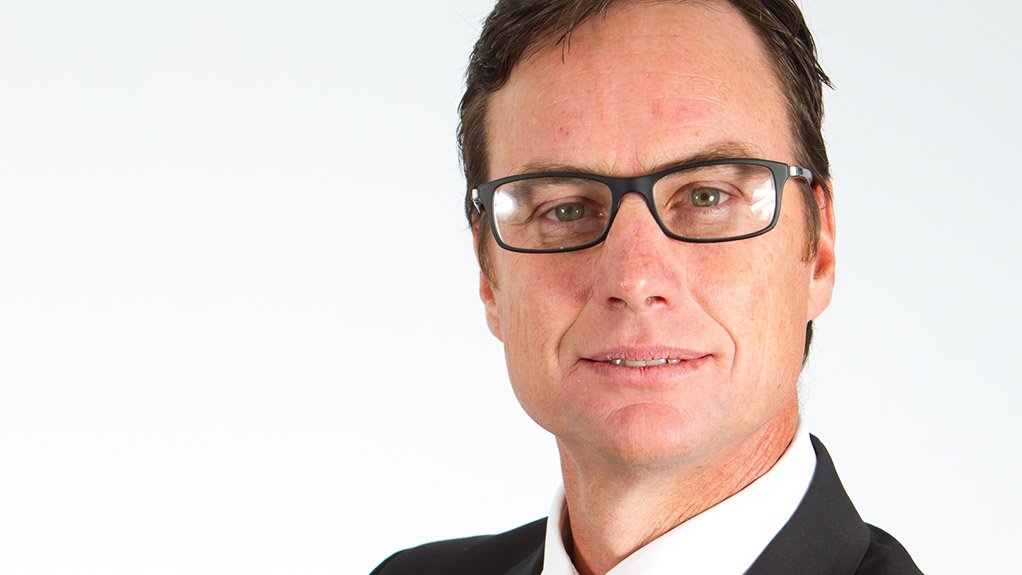
Andrew Morton, Head of Advice at FNB Financial Advisory says most local investors and prudent advisors have already factored the potential occurrence into their investment planning, by ensuring that diversification is in place, including offshore exposure.
“There are numerous potential consequences of a ratings downgrade including the fact that South African bonds would be deemed ‘riskier’- meaning investors will require higher yields on their investments. Investors with existing exposure to the bond market would see their capital values negatively impacted.”
“Stock Market investors would also take a hit. Looking more broadly, the economy would inevitably take a knock, credit would be harder to come by, the banks would tighten the reins on lending, and investment and business development would be curtailed as a result. The rand would weaken, driving inflation and taxes higher,” he adds.
An important starting point for investors concerned about the knock-on effect to their portfolios and wealth legacy is the fact that those with existing investments actually stand to benefit in terms of higher interest rates. This benefit is likely to attract bolder, yield-seeking international investors, eager to take advantage of attractive interest rates, despite the perception of ‘riskiness’.
“The reality is South Africans will still be living, working and paying taxes in this economy. If you live in South Africa you will always be invested here as long as you have a house, pension fund, savings, investments and school-going children. However, what you can do is insulate yourself somewhat from the in-country impact of a downgrade by ensuring you have adequate exposure to other markets. Whether a rating downgrade happens or not, this approach will inevitably leave a savvy investor better off and more able to weather other global contagions,” says Morton.
Most high-net-worth (HNW) and ultra-high-net-worth (UHNW) individuals already have offshore exposure factored into their diversified portfolio strategy. The market segment needing assistance in this regard is the R350 000 to R1.5 million income bracket.
“While these clients, like their HNW compatriots, are often extremely good at making money and frequently experts in their field, they often have little idea of how markets, risk tolerances and offshore exposure work. The first step is educating them about how risk management plays out in different market conditions and the vagaries of currency movements,” he adds.
Morton says, the years following a downgrade will surely prove challenging for all South Africans, especially those in the lower and middle-income brackets.
“Those with significant wealth legacies will also feel the effects and the biggest lesson will be one of patience and trust. Even without a downgrade South Africa’s economy is likely to remain an environment of low growth and little or no real returns for some time to come. Right now, the role of a financial adviser is of paramount importance.”
A professional advisor needs to remove the emotion from an investment decision, by understanding that one cannot time markets or currency movements, but needs to stay invested for the duration of the pre-determined period.”
Risk management at times like this is all about time periods and managing expectations. Given the current uncertainty in the South African market, it is recommended that clients consider a long-term view. This is for the simple reason that even if you are sitting in a money market, you are introducing another risk. The longer you let the investment play out, the less that risk becomes.
“Rest assured that any impact of a South African credit downgrade has already been factored into the local market and the investment world. By the time any announcement is made by S&P, Fitch or Moody’s, there will be little impact that astute investors haven’t already foreseen and made provision for. Now is the time for executing plans and sticking your guns. You and your financial legacy will be stronger as a result,” concludes Morton.
Article Enquiry
Email Article
Save Article
Feedback
To advertise email advertising@creamermedia.co.za or click here
Research Reports

Projects


Latest Multimedia


Showroom
Axiom Hydraulics is a trusted leader in South Africa’s hydraulic industry, delivering world-class components, systems, and engineering expertise...
VISIT SHOWROOM
Your global lifecycle technology & service partner for materials & minerals processing equipment for coal, iron ore, copper, manganese & other...
VISIT SHOWROOM



Announcements
What's On
Subscribe to improve your user experience...
Option 1 (equivalent of R125 a month):
Receive a weekly copy of Creamer Media's Engineering News & Mining Weekly magazine
(print copy for those in South Africa and e-magazine for those outside of South Africa)
Receive daily email newsletters
Access to full search results
Access archive of magazine back copies
Access to Projects in Progress
Access to ONE Research Report of your choice in PDF format
Option 2 (equivalent of R375 a month):
All benefits from Option 1
PLUS
Access to Creamer Media's Research Channel Africa for ALL Research Reports, in PDF format, on various industrial and mining sectors
including Electricity; Water; Energy Transition; Hydrogen; Roads, Rail and Ports; Coal; Gold; Platinum; Battery Metals; etc.
Already a subscriber?
Forgotten your password?
Receive weekly copy of Creamer Media's Engineering News & Mining Weekly magazine (print copy for those in South Africa and e-magazine for those outside of South Africa)
➕
Recieve daily email newsletters
➕
Access to full search results
➕
Access archive of magazine back copies
➕
Access to Projects in Progress
➕
Access to ONE Research Report of your choice in PDF format
RESEARCH CHANNEL AFRICA
R4500 (equivalent of R375 a month)
SUBSCRIBEAll benefits from Option 1
➕
Access to Creamer Media's Research Channel Africa for ALL Research Reports on various industrial and mining sectors, in PDF format, including on:
Electricity
➕
Water
➕
Energy Transition
➕
Hydrogen
➕
Roads, Rail and Ports
➕
Coal
➕
Gold
➕
Platinum
➕
Battery Metals
➕
etc.
Receive all benefits from Option 1 or Option 2 delivered to numerous people at your company
➕
Multiple User names and Passwords for simultaneous log-ins
➕
Intranet integration access to all in your organisation
