



How The Reflux™ Classifier Increases Mining Productivity

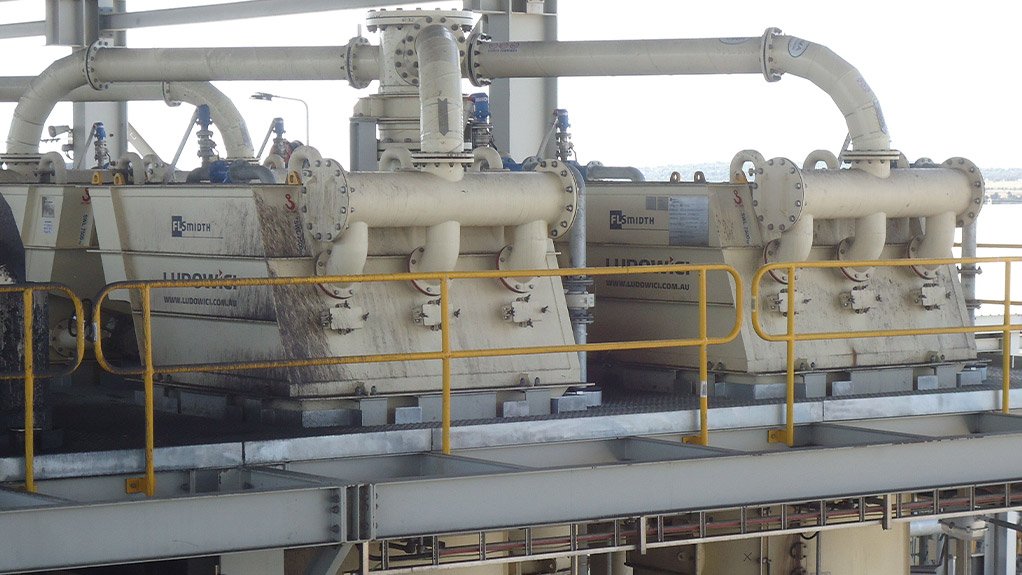
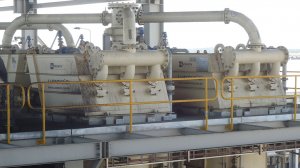
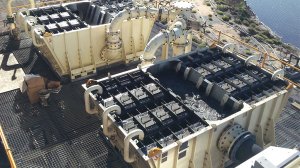
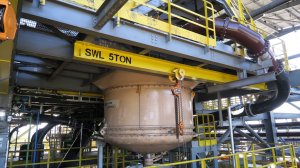
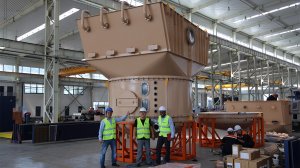


Delivering high levels of recovery, while managing large throughput efficiently is no easy job. So how exactly does FLSmidth’s REFLUX™ Classifier (RC™) achieve this? And, importantly, can it benefit your mining operations?
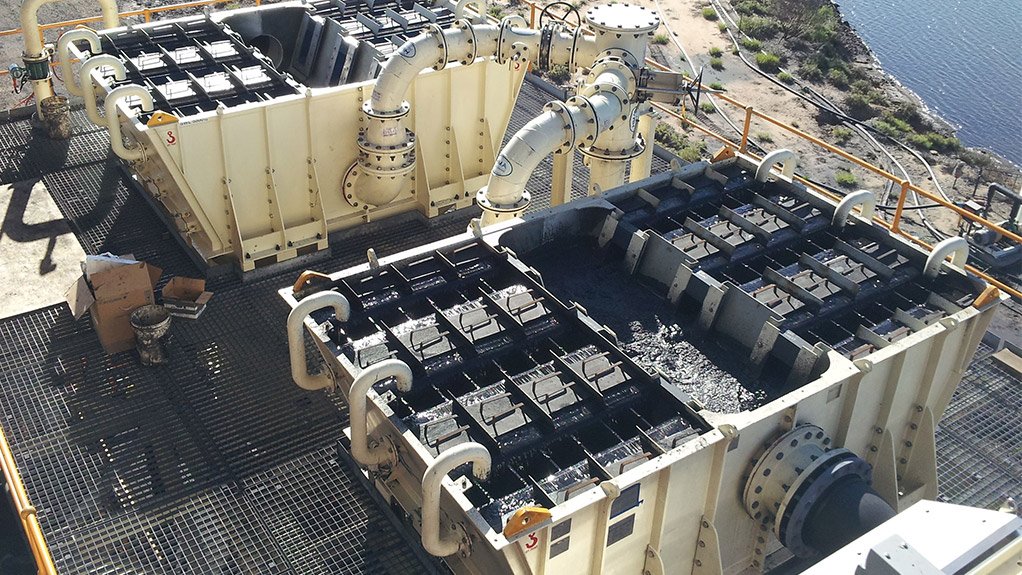
Concisely, the RC is the slurry based gravity separator designed specifically to upgrade fine minerals generally finer than 2mm. The key design element is a system of lamella plates or inclined channels and the internal overflow launders. These are contained within the Lamella Settler – the top portion of the RC.
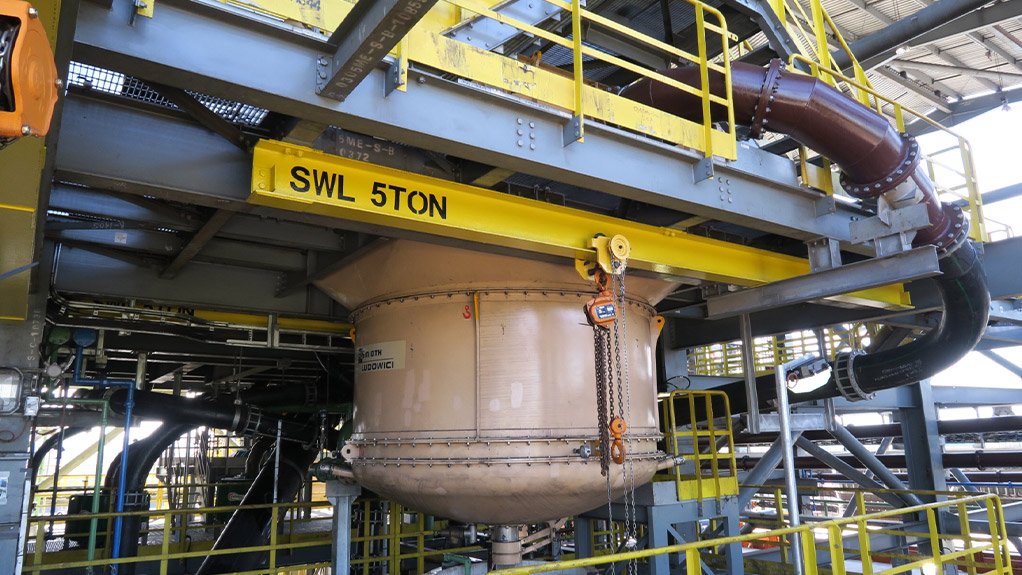
The other two main components are an Autogenous Dense Medium Separator underneath the lamella chamber, and a Fluidised Bed Separator beneath that.
Material from the process plant enters through the slurry inlet and passes over an internal over-size protection screen which removes any tramp or debris that may cause damage to the ceramic underflow valve. Large, high-density solids quickly sink and settle in the mixing chamber that is in the middle section of the classifier, forming a fluidised bed of dense material. The fluidised bed is created by a series of water jets at the base of the mixing chamber and rejects any trapped lighter particles.
Lighter and finer particles rise in the RC, through the autogenous zone to the lamella section. The autogenous section is created by fine suspended solids, and this zone helps convey lighter particles to the lamella section.
This upper section contains the crucial sloping lamella channels, that are typically placed 6mm apart – although this distance can be reduced for finer materials. Low density particles rise up through these channels, driven by the upward water flow from the feed. The narrow sloping channels cause a parabolic flow pattern, where the flow is fastest midway between the channel walls.
The lightest particles are carried by the faster flow before they can settle and they overflow at the top of the channel. They fall into internal launders and are discharged from the RC. The higher density particles tend to slide back along the topside of the lamella channel, where the flow is slower. These particles slide down the slope, back to form the autogenous dense media zone.
Pressure probes monitor the bed density and automatically control the underflow valve to optimise the bed level and density. The fluidised bed keeps particles in suspension and rejects the lighter material up out of the bed while the denser particles sink and flow out through the underflow valve.
The valve’s four-link system moves the plug vertically, which reduces wear and provides protection against splashing.
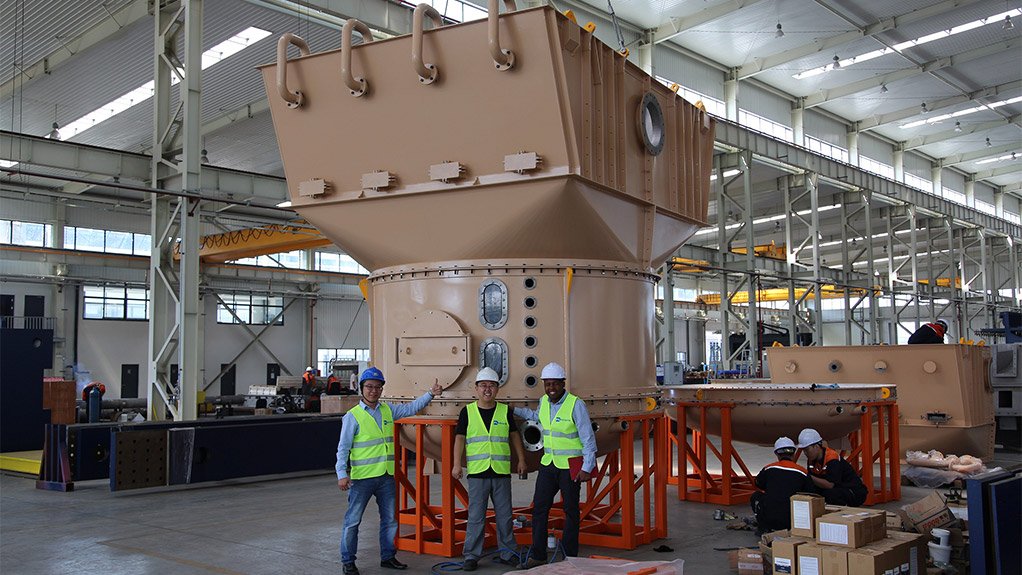
In a recent innovation, a modular RC™ plant, FLSmidth carefully selected the associated equipment – like pumps, screens, dewatering equipment and conveyors – for optimal performance. These modular plants are also automated, using advanced instrumentation and control equipment to keep operations consistent and recoveries high.
Article Enquiry
Email Article
Save Article
Feedback
To advertise email advertising@creamermedia.co.za or click here
Research Reports

Projects


Latest Multimedia
Latest News


Showroom

We supply customers with practical affordable solutions for their testing needs. Our products include benchtop, portable, in-line process control...
VISIT SHOWROOM
We at Hawk High Pressure Pumps specialise in industrial pumps and pumping systems. Our high pressure washing equipment is locally manufactured and...
VISIT SHOWROOM


Announcements
What's On
Subscribe to improve your user experience...
Option 1 (equivalent of R125 a month):
Receive a weekly copy of Creamer Media's Engineering News & Mining Weekly magazine
(print copy for those in South Africa and e-magazine for those outside of South Africa)
Receive daily email newsletters
Access to full search results
Access archive of magazine back copies
Access to Projects in Progress
Access to ONE Research Report of your choice in PDF format
Option 2 (equivalent of R375 a month):
All benefits from Option 1
PLUS
Access to Creamer Media's Research Channel Africa for ALL Research Reports, in PDF format, on various industrial and mining sectors
including Electricity; Water; Energy Transition; Hydrogen; Roads, Rail and Ports; Coal; Gold; Platinum; Battery Metals; etc.
Already a subscriber?
Forgotten your password?
Receive weekly copy of Creamer Media's Engineering News & Mining Weekly magazine (print copy for those in South Africa and e-magazine for those outside of South Africa)
➕
Recieve daily email newsletters
➕
Access to full search results
➕
Access archive of magazine back copies
➕
Access to Projects in Progress
➕
Access to ONE Research Report of your choice in PDF format
RESEARCH CHANNEL AFRICA
R4500 (equivalent of R375 a month)
SUBSCRIBEAll benefits from Option 1
➕
Access to Creamer Media's Research Channel Africa for ALL Research Reports on various industrial and mining sectors, in PDF format, including on:
Electricity
➕
Water
➕
Energy Transition
➕
Hydrogen
➕
Roads, Rail and Ports
➕
Coal
➕
Gold
➕
Platinum
➕
Battery Metals
➕
etc.
Receive all benefits from Option 1 or Option 2 delivered to numerous people at your company
➕
Multiple User names and Passwords for simultaneous log-ins
➕
Intranet integration access to all in your organisation
