Flotation polishing integral to wastewater improvement

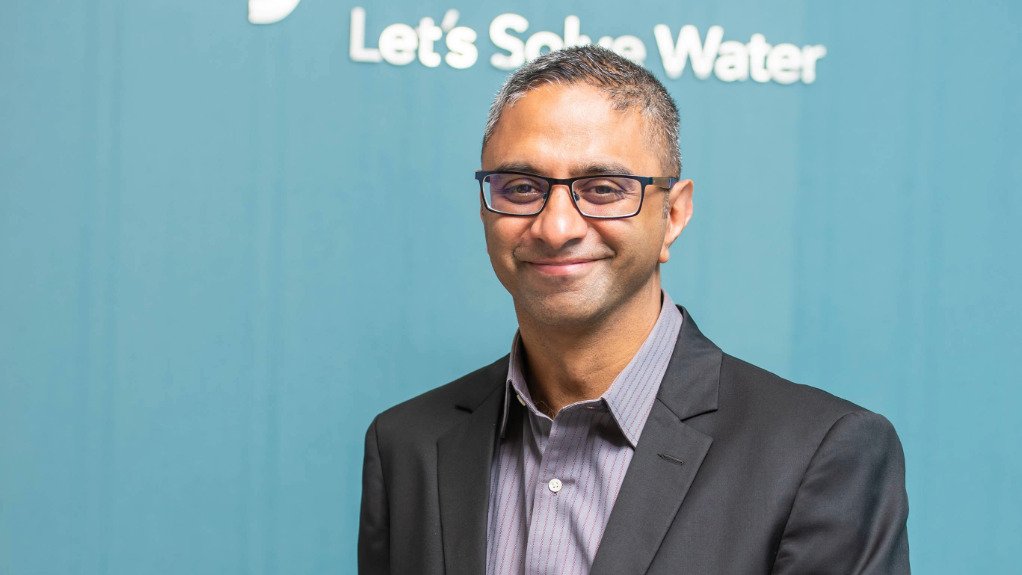
CHETAN MISTRY When integrated correctly, DAF complements biological treatment by stabilising final effluent rather than replacing biological nutrient removal
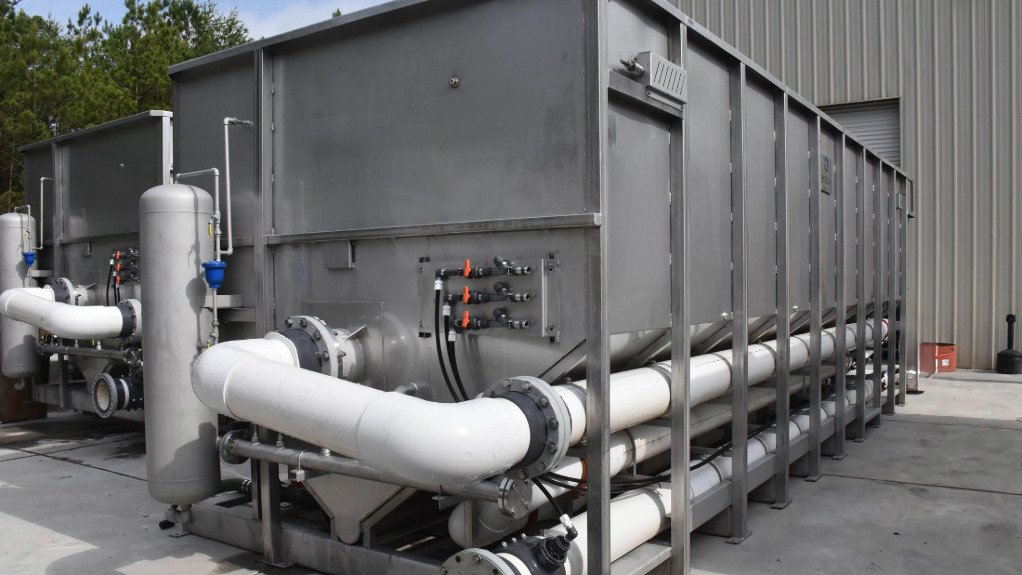
FLOTATION POLISHING DAF systems improve wastewater effluent quality by removing fine solids, algae and nutrient loads missed by conventional clarification


Dissolved air flotation (DAF) is gaining traction as a post-biological polishing step in municipal wastewater treatment, improving effluent consistency by removing fine solids, algae and nutrient loads that conventional clarification often misses under variable conditions, says water technology company Xylem strategy and marketing manager Chetan Mistry.
In polishing applications, DAF targets the fraction that conventional secondary clarifiers struggle with, helping utilities achieve a more consistent effluent quality.
“When integrated correctly, DAF complements biological treatment by stabilising final effluent rather than replacing biological nutrient removal,” Mistry says.
Compared with conventional clarification, DAF typically delivers more reliable solids separation under variable conditions, and this is especially relevant where algae carry-over or seasonal loading affects discharge compliance.
The flotation is particularly well suited to retrofit and upgrade older, capacity-constrained municipal wastewater treatment plants in South Africa, while its compact footprint makes it suitable for deployment as a permanent installation or as a temporary rental solution during peak flows, maintenance periods or staged upgrades.
Mistry adds that, in South Africa, where many plants are operating beyond their original design envelope, DAF can be integrated with minimal civil works and connected to existing hydraulic and control systems. This enables municipalities to add treatment capacity or improve effluent stability without committing to large-scale infrastructure expansion upfront.
Further, DAF delivers value at multiple points in the wastewater treatment train, depending on the challenge being addressed; during pre-treatment, DAF reduces solids, fats, oils and organic loading to protect downstream biological processes and improve plant resilience.
As post-biological polishing, it enhances the removal of fine solids, algae and particulate nutrients to support tighter discharge limits or reuse objectives.
He adds that municipalities typically decide where to deploy DAF based on influent characteristics, compliance risks, footprint constraints and life-cycle cost considerations: “In practice, many plants use DAF as a flexible tool that can be repositioned or expanded as operational needs evolve”.
Capital Considerations, Optimal Performance
When compared with expanding or refurbishing conventional clarification infrastructure, DAF often presents a lower risk and a more flexible investment path, particularly when considering rental options, Mistry says.
Rental deployments enable municipalities to address immediate capacity or short-term compliance risks without long lead times or heavy upfront capital expenditure and, from an operational perspective, DAF’s compact design and stable performance can reduce downstream stress, helping to control chemical use, sludge handling and unplanned maintenance.
This approach enables utilities to test, optimise and validate treatment improvements before committing to permanent upgrades - an increasingly important consideration in constrained public-sector environments.
He adds that DAF has performed well in markets facing challenges similar to those in South Africa, including ageing infrastructure, variable influent quality, and intermittent and seasonal flows. Its ability to maintain stable separation under fluctuating conditions makes it particularly valuable where hydraulic or load variability undermines conventional settling performance.
Local adaptations typically focus on chemical optimisation, control strategies and operational support to ensure that the system is tuned to site-specific conditions: “This is why DAF is most effective when deployed as part of a consultative, integrated solution, rather than as a standalone piece of equipment,” he concludes.
Article Enquiry
Email Article
Save Article
Feedback
To advertise email advertising@creamermedia.co.za or click here
Research Reports
Projects


Latest Multimedia

Latest News
Showroom
From batteries for boats and jet skis, to batteries for cars and quad bikes, SABAT Batteries has positioned itself as the lifestyle battery of...
VISIT SHOWROOM
Occupational health services, mobile clinics, wellness campaigns, aviation.
VISIT SHOWROOM



Announcements
What's On
Subscribe to improve your user experience...
Option 1 (equivalent of R125 a month):
Receive a weekly copy of Creamer Media's Engineering News & Mining Weekly magazine
(print copy for those in South Africa and e-magazine for those outside of South Africa)
Receive daily email newsletters
Access to full search results
Access archive of magazine back copies
Access to Projects in Progress
Access to ONE Research Report of your choice in PDF format
Option 2 (equivalent of R375 a month):
All benefits from Option 1
PLUS
Access to Creamer Media's Research Channel Africa for ALL Research Reports, in PDF format, on various industrial and mining sectors
including Electricity; Water; Energy Transition; Hydrogen; Roads, Rail and Ports; Coal; Gold; Platinum; Battery Metals; etc.
Already a subscriber?
Forgotten your password?
Receive weekly copy of Creamer Media's Engineering News & Mining Weekly magazine (print copy for those in South Africa and e-magazine for those outside of South Africa)
➕
Recieve daily email newsletters
➕
Access to full search results
➕
Access archive of magazine back copies
➕
Access to Projects in Progress
➕
Access to ONE Research Report of your choice in PDF format
RESEARCH CHANNEL AFRICA
R4500 (equivalent of R375 a month)
SUBSCRIBEAll benefits from Option 1
➕
Access to Creamer Media's Research Channel Africa for ALL Research Reports on various industrial and mining sectors, in PDF format, including on:
Electricity
➕
Water
➕
Energy Transition
➕
Hydrogen
➕
Roads, Rail and Ports
➕
Coal
➕
Gold
➕
Platinum
➕
Battery Metals
➕
etc.
Receive all benefits from Option 1 or Option 2 delivered to numerous people at your company
➕
Multiple User names and Passwords for simultaneous log-ins
➕
Intranet integration access to all in your organisation