Cesa Infrastructure Indaba calls for South Africa-first mindset

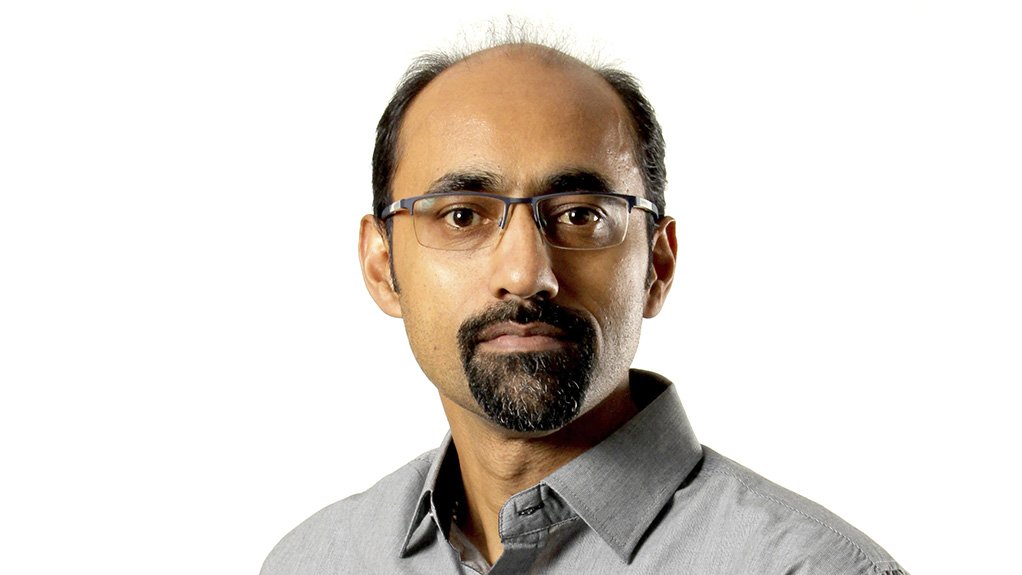
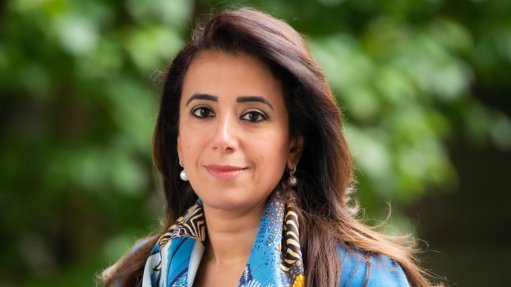
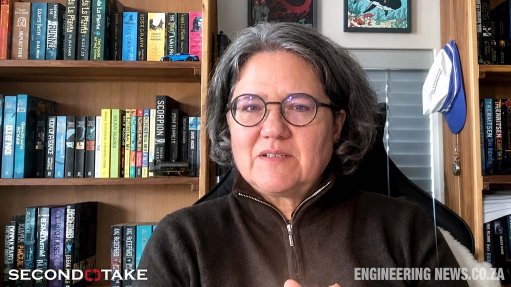
Cesa president and consultancy Knight Piesold Africa regional manager Dr Vishal Haripersad


Speakers at Consulting Engineers South Africa’s (Cesa’s) Infrastructure Indaba, in KwaZulu-Natal, having recognised how infrastructure remains the backbone of economic growth, social development and environmental sustainability in South Africa, said it also exposes challenges and inequalities that demand urgent attention.
For one, the country has a R30-billion maintenance backlog that affects more than 56 000 State-owned properties, while many municipal systems continue to deteriorate under the strain of ageing infrastructure.
Simultaneously, climate change is increasing the pressure on infrastructure systems. Floods, fires and extreme weather events across several provinces have shown how vulnerable South Africa’s infrastructure is when resilience and maintenance are neglected.
In opening the event on March 19, Cesa CEO Chris Campbell said the theme of the indaba, ‘Pioneering change: engineering infrastructure for inclusive growth’ reflected the urgency of the moment.
“The theme speaks directly to the role that engineering leadership, policy direction and collaboration must play in shaping infrastructure that supports sustainable economic growth and meaningful development across the country.
“South Africa requires bold thinking, strong collaboration and capable institutions to unlock the full potential of infrastructure as a catalyst for economic growth, job creation and social development,” he emphasised.
For Campbell, the Infrastructure Indaba presents an opportunity to challenge mindsets – how stakeholders plan, procure and deliver infrastructure – and pioneer change through meaningful dialogue, stronger partnerships and practical solutions to South Africa’s infrastructure challenges.
Cesa president and consultancy Knight Piesold Africa regional manager Dr Vishal Haripersad said infrastructure remained the lifeblood of communities and the foundation upon which futures were built. He stressed the importance of considering, collectively, the interests of all stakeholders, including communities and South Africans.
“Every bridge we build, every road we design and every system we maintain carries with it the responsibility of serving people, not just as users, but as neighbours, families and fellow citizens,” he noted.
Over the past decade, however, infrastructure investment in South Africa averaged just 15.7% of GDP, which is well below the 30% target set out in the National Development Plan. This while economic growth has been sluggish, with real GDP per capita having grown by less than 1% a year in recent years and unemployment having risen to 33.9%.
These figures, according to Haripersad, reminded that infrastructure was not simply about physical assets but about economic opportunity, jobs and dignity.
Haripersad is encouraged by government having committed to spend more than R1-trillion on public infrastructure over the next three years, which he said signalled recognition that infrastructure must once again become central to South Africa’s growth agenda.
“However, investment alone will not reverse years of decline unless we address the structural challenges that undermine delivery. The theme of this indaba calls on us to pioneer change, but what does pioneering change truly mean in today’s South Africa,” he questioned.
For him, it means more than innovation for innovation’s sake. Rather, pioneering change means reimagining how infrastructure can drive inclusion, link communities that have historically been left on the margins and creating opportunities where none existed before.
“Engineering has the power to be that catalyst. To harness this power, we must embrace a broader vision – one that moves beyond the technical and recognises the social impact and ethical responsibility of our work,” Haripersad stated.
He expressed concern about the multitude of citizens still struggling to access reliable water, electricity, transport and digital connectivity. Cesa views these challenges as barriers to education, healthcare, employment and dignity, rather than simply technical problems.
ENGINEERING CAPACITY
For Cesa, inclusive growth demands that infrastructure be accessible, affordable, sustainable and resilient, but pioneering this change also means investing in people who make infrastructure possible.
Haripersad said South Africa faced significant engineering capacity challenges.
The Engineering Council of South Africa estimates that the country has about one engineer for every 3 100 people, compared with one engineer for every 300 people in many developed economies.
This represents a shortage of more than 60 000 engineering professionals that are required to support the country’s development ambitions.
Without addressing this gap, even the most ambitious infrastructure plans would struggle to translate into delivery, Haripersad said.
To this end, Cesa remains committed to nurturing the next generation of engineers through science, technology, engineering and maths education, and mentorship and practical training opportunities that empower young people to build meaningful careers.
Equally important was reclaiming the role of engineering expertise at the decision-making table, Haripersad pointed out.
He explained that, too often, engineers were consulted only after problems arose, rather than being included in planning, policy development and project design from the outset.
“Pioneering change requires that engineering insight helps shape strategies, budgets, and national priorities. When engineering expertise informs decisions early, infrastructure performs better, lasts longer, and delivers greater value to society,” Haripersad said.
He added that integrity and accountability must also underpin everything construction stakeholders do. For him infrastructure represented public trust made concrete.
“When governance fails, when quality is compromised, or when corruption takes root, the consequences are felt not in reports or balance sheets, but in communities and livelihoods.
“This is why transparency, professional standards, and ethical leadership remain essential to building infrastructure that serves the public good.”
Similarly, recognising that engineering skills not only deserved a seat at the table, but also deserved not to be seen as a commodity to be procured at the cheapest price, was essential to pioneering the change Cesa sought so as to deliver infrastructure and growth that would deliver long-term success for our country, Haripersad asserted.
Importantly, Cesa believed the responsibility to pioneer change did not rest on any one institution alone. It required partnerships - between government, the private sector, academia, communities, and civil society.
Haripersad concluded that achieving pioneering change would require a collective commitment to what he deemed not to be a destination, but a journey.
Article Enquiry
Email Article
Save Article
Feedback
To advertise email advertising@creamermedia.co.za or click here
Research Reports

Projects


Latest Multimedia
Latest News

Showroom

The SAIMM started as a learned society in 1894 after the invention of the cyanide process that saved the South African gold mining industry of the...
VISIT SHOWROOM
Rooted in the hearts of South Africans, combining technology and a quest for perfection to bring you a battery of peerless standing. Willard...
VISIT SHOWROOM

Announcements
What's On
Subscribe to improve your user experience...
Option 1 (equivalent of R125 a month):
Receive a weekly copy of Creamer Media's Engineering News & Mining Weekly magazine
(print copy for those in South Africa and e-magazine for those outside of South Africa)
Receive daily email newsletters
Access to full search results
Access archive of magazine back copies
Access to Projects in Progress
Access to ONE Research Report of your choice in PDF format
Option 2 (equivalent of R375 a month):
All benefits from Option 1
PLUS
Access to Creamer Media's Research Channel Africa for ALL Research Reports, in PDF format, on various industrial and mining sectors
including Electricity; Water; Energy Transition; Hydrogen; Roads, Rail and Ports; Coal; Gold; Platinum; Battery Metals; etc.
Already a subscriber?
Forgotten your password?
Receive weekly copy of Creamer Media's Engineering News & Mining Weekly magazine (print copy for those in South Africa and e-magazine for those outside of South Africa)
➕
Recieve daily email newsletters
➕
Access to full search results
➕
Access archive of magazine back copies
➕
Access to Projects in Progress
➕
Access to ONE Research Report of your choice in PDF format
RESEARCH CHANNEL AFRICA
R4500 (equivalent of R375 a month)
SUBSCRIBEAll benefits from Option 1
➕
Access to Creamer Media's Research Channel Africa for ALL Research Reports on various industrial and mining sectors, in PDF format, including on:
Electricity
➕
Water
➕
Energy Transition
➕
Hydrogen
➕
Roads, Rail and Ports
➕
Coal
➕
Gold
➕
Platinum
➕
Battery Metals
➕
etc.
Receive all benefits from Option 1 or Option 2 delivered to numerous people at your company
➕
Multiple User names and Passwords for simultaneous log-ins
➕
Intranet integration access to all in your organisation