



Bisha mine, Eritrea



Name: Bisha mine.
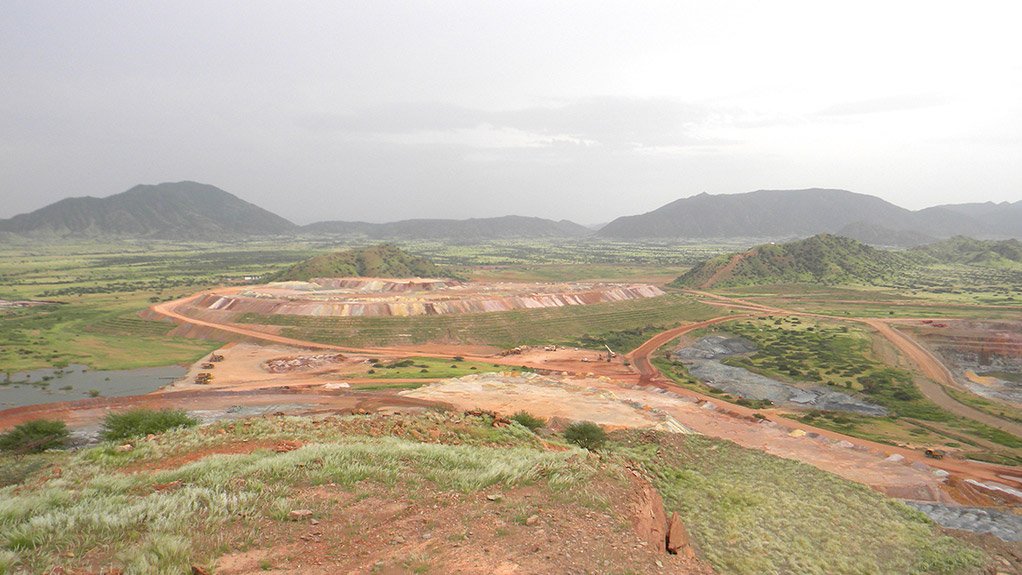
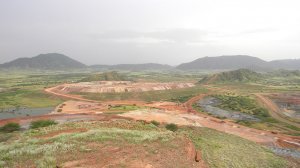
Location: The Bisha mine is located 150 km west of Asmara, 43 km south-west of the regional town of Akurdat, and 50 km north of Barentu, the regional, or Zone Administration Centre, of the Gash-Barka district, in Eritrea.
Controlling Company: Nevsun Resources holds a 60% interest in the property, through a 60% interest in the Bisha Mining Share Company (BMSC). The Eritrean National Mining Corporation holds the remaining 40% interest.
Brief History: BMSC has no record of any exploration or development work on the Bisha property before 1996.
In late 1996, Ophir Ventures, a private Canadian company, conducted prospecting in the Bisha area, which resulted in the discovery of the surface exposure of the Bisha deposit.
Nevsun was granted a prospecting licence for Bisha in May 1998 and the Bisha Main Zone was identified through drilling by Nevsun in 2002. In 2006, the BMSC was established.
The BMSC started prestripping the Bisha mine in March 2010 and the company declared commercial production in February 2011 at a rate of two-million tonnes a year.
Brief Description: The property comprises two mining licences, covering 24 km2 – 16.5 km2 for Bisha Main and the North West Zone, and 7.5 km2 for Harena – and a 39 km2 Mining Agreement Area. BMSC is the operator for all licences.
Geology/Mineralisation: The Bisha property is underlain by low-grade metamorphosed (upper greenschist to lower amphibolite facies) volcanics and sedimentary units on the western margin of the Nacfa terrain.
The precious metals-enriched volcanogenic massive sulphide (VMS) deposits on the property are hosted by a tightly and complexly folded, intensely foliated, bimodal sequence of generally weakly stratified, predominantly tuffaceous metavolcanic rocks (Greig, 2004). Felsic lithologies appear to directly host the mineralisation, predominate overall and form the hanging wall stratigraphy. The felsic lithologies are mainly exposed to the west and south-west of the mineralised zones, and grade upward into a sequence of generally fine-grained volcaniclastic rocks. A significant component of mafic metavolcanic rocks occurred in the more obviously bimodal footwall, which is exposed mainly to the east of the known mineralised zones.
To the east and south, the metavolcanic rocks are intruded by felsic to mafic intrusive rocks, now foliated, including those of the aerially extensive Bisha Gabbroic Complex. Sedimentary rocks overlie the felsic component and have been mapped to the west of and parallel to the stratigraphic units that host mineralisation.
Reserves: Combined Bisha Main and Harena reserves as at May 31, 2012, were 1.04-billion pounds of copper, 2.68-billion pounds of zinc, 746 000 oz of gold and 35.75-million ounces of silver.
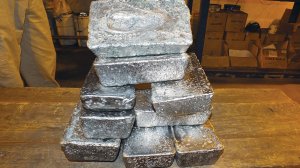
Products: Copper, zinc, gold and silver.
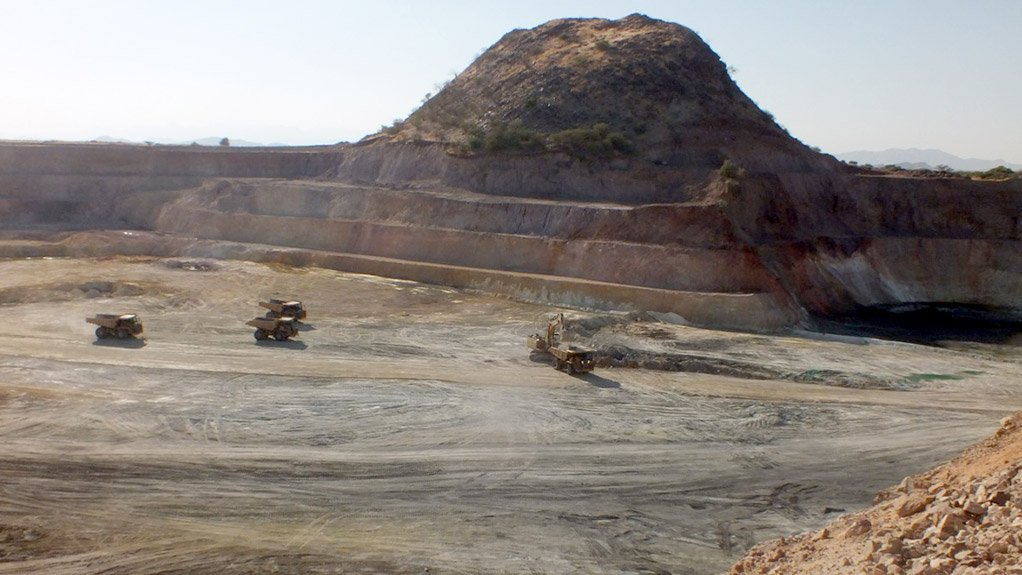
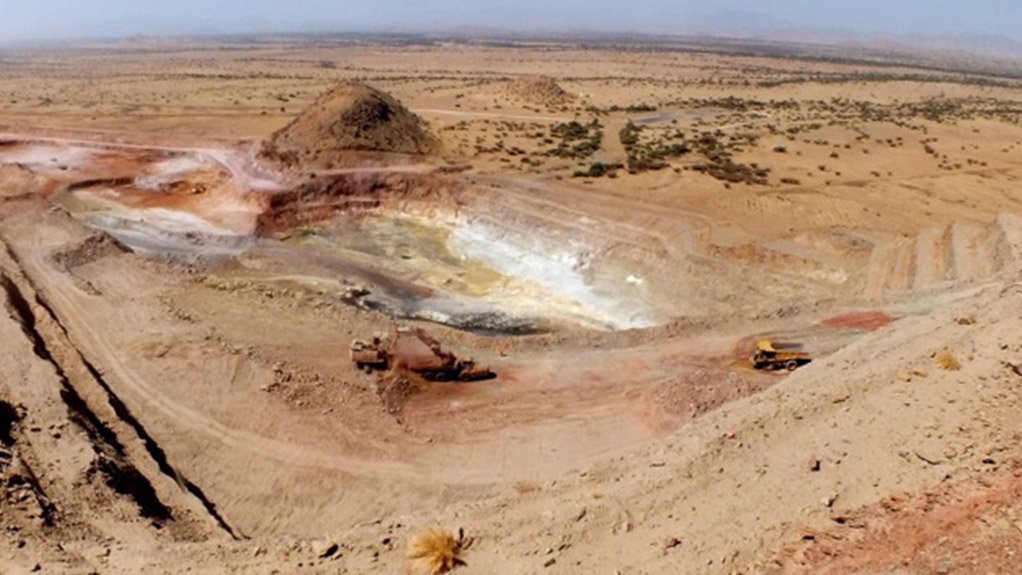
Mining Method: Bisha is mined using conventional drill-and-blast open mining techniques to the run-of-mine stockpile.
Major Infrastructure and Equipment: Current on-site operation infrastructure, includes an openpit, a process plant, tailings and waste rock storage facilities, offices, maintenance and laboratory facilities, fuel storage areas, an on-site power plant and an airstrip.
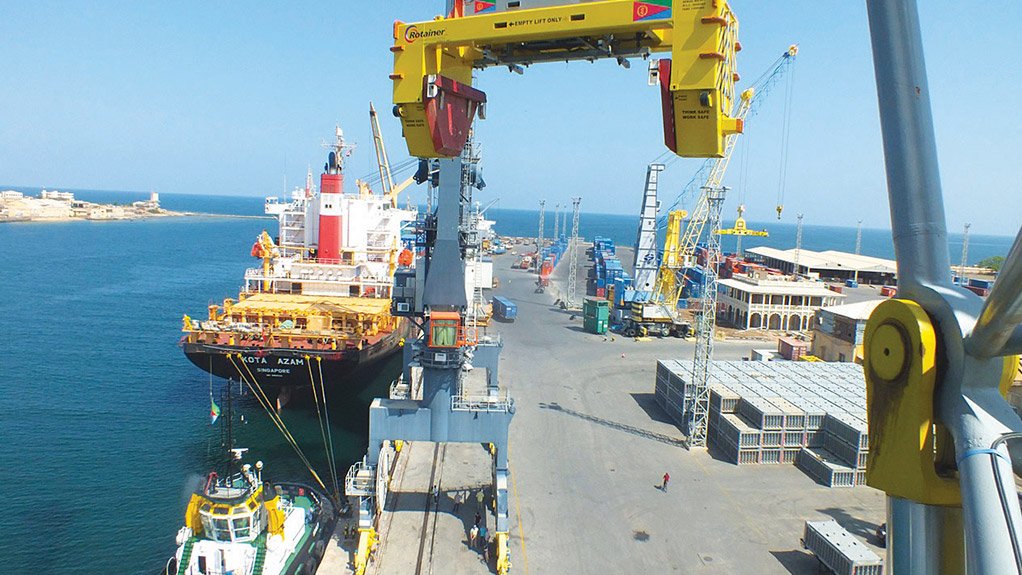
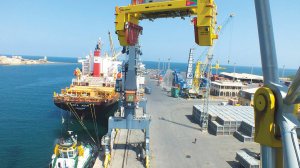
Off-site infrastructure includes a container port and shiploading facilities at the Port of Massawa.
Electric power for the mine and processing plant site is supplied from a diesel-fuelled power station adjacent to the process facilities.
Process water is sourced from recycling within the plant and additional needs are supplemented with freshwater sources.
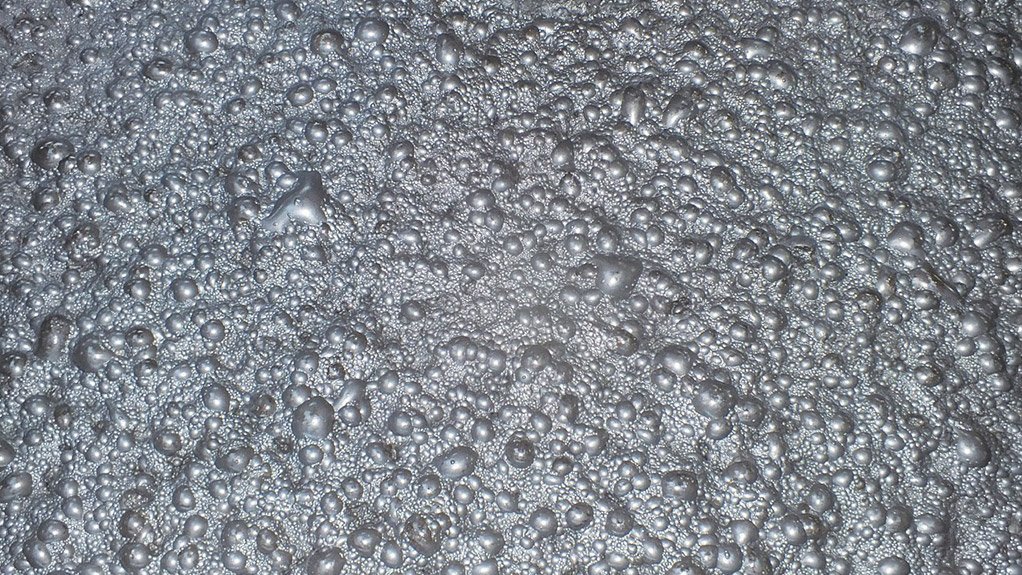
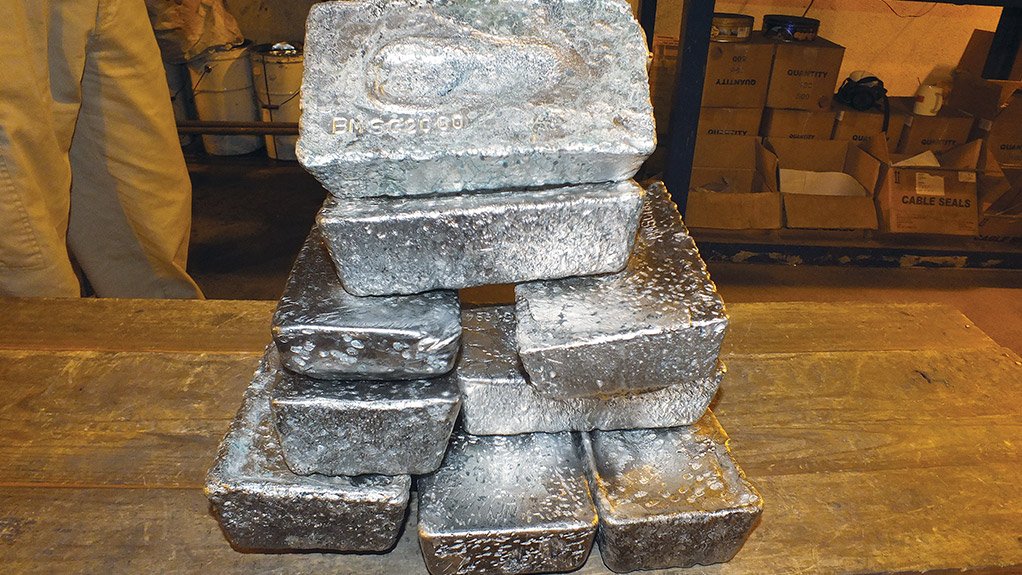
Prospects: The mine produced low-cost gold/silver doré until mid-2013 when, through a $110-million copper expansion, throughput expanded to 2.4-million tonnes a year and the product switched to copper in concentrate. Later in the mine life, flotation capacity will be expanded again to also produce zinc concentrates.
Contact Person: Kin Communications.
Contact Details:
Kin Communications, on behalf of Nevsun Resources
Tel +1 604 684 6730
Email NSU@kincommunications.com
Website http://www.nevsun.com.
Article Enquiry
Email Article
Save Article
Feedback
To advertise email advertising@creamermedia.co.za or click here
Research Reports

Projects


Latest Multimedia


Latest News

Showroom
As one of South Africa's leading manufacturers, Bell Equipment distributes and exports its wide range of heavy equipment globally to mining,...
VISIT SHOWROOM
From batteries for boats and jet skis, to batteries for cars and quad bikes, SABAT Batteries has positioned itself as the lifestyle battery of...
VISIT SHOWROOM


Announcements
What's On
Subscribe to improve your user experience...
Option 1 (equivalent of R125 a month):
Receive a weekly copy of Creamer Media's Engineering News & Mining Weekly magazine
(print copy for those in South Africa and e-magazine for those outside of South Africa)
Receive daily email newsletters
Access to full search results
Access archive of magazine back copies
Access to Projects in Progress
Access to ONE Research Report of your choice in PDF format
Option 2 (equivalent of R375 a month):
All benefits from Option 1
PLUS
Access to Creamer Media's Research Channel Africa for ALL Research Reports, in PDF format, on various industrial and mining sectors
including Electricity; Water; Energy Transition; Hydrogen; Roads, Rail and Ports; Coal; Gold; Platinum; Battery Metals; etc.
Already a subscriber?
Forgotten your password?
Receive weekly copy of Creamer Media's Engineering News & Mining Weekly magazine (print copy for those in South Africa and e-magazine for those outside of South Africa)
➕
Recieve daily email newsletters
➕
Access to full search results
➕
Access archive of magazine back copies
➕
Access to Projects in Progress
➕
Access to ONE Research Report of your choice in PDF format
RESEARCH CHANNEL AFRICA
R4500 (equivalent of R375 a month)
SUBSCRIBEAll benefits from Option 1
➕
Access to Creamer Media's Research Channel Africa for ALL Research Reports on various industrial and mining sectors, in PDF format, including on:
Electricity
➕
Water
➕
Energy Transition
➕
Hydrogen
➕
Roads, Rail and Ports
➕
Coal
➕
Gold
➕
Platinum
➕
Battery Metals
➕
etc.
Receive all benefits from Option 1 or Option 2 delivered to numerous people at your company
➕
Multiple User names and Passwords for simultaneous log-ins
➕
Intranet integration access to all in your organisation
