



Batoka gorge hydroelectric scheme, Zimbabwe – update



Name of the Project
Batoka gorge hydroelectric scheme (BGHES).
Location
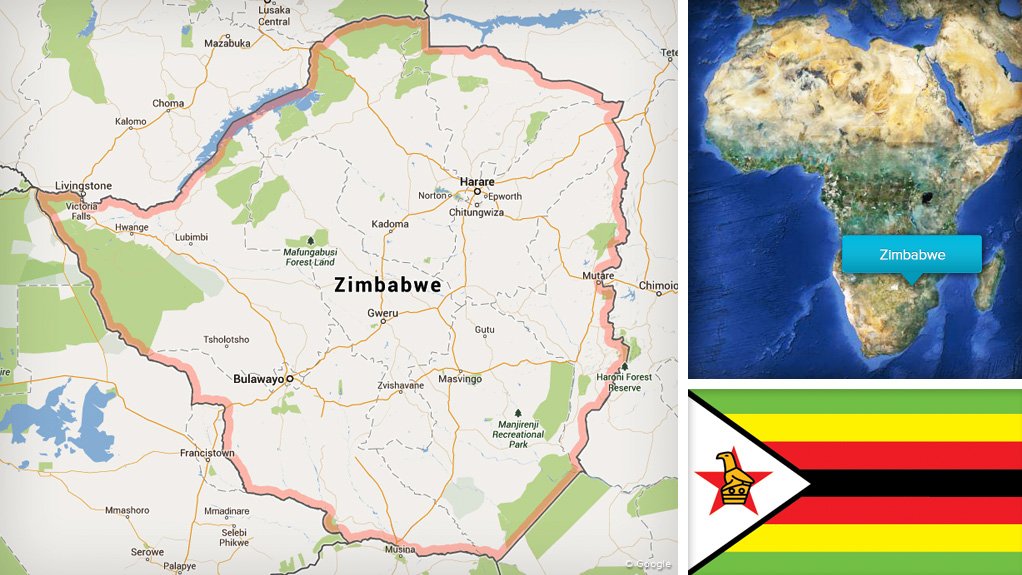
The project is located on the Zambezi river, 47 km downstream of the Victoria Falls on the Zambia and Zimbabwe borders.
Project Owner/s
Zambezi River Authority (ZRA), which comprises the Zimbabwe Electricity Supply Authority, the Zambia Electricity Supply Corporation and the ministries of energy from both countries.
Project Description
The proposed 2 400 MW project involves the construction of a hydroelectric scheme on the Zambezi river, across the boundary between Zambia and Zimbabwe.
The project comprises a 175-m-high dam wall and two 1 200 MW power plants on either side of the river. The project also includes transmission lines, access roads and project townships in Zambia and Zimbabwe, as well as ancillary infrastructure such as quarries, spoils and batching areas.
The project is designed as a run-of-river scheme with an estimated average energy generation of 8 700 GWh/y.
Potential Job Creation
The project is expected to create 8 000 construction jobs and 1 500 operational jobs.
Capital Expenditure
The cost of the project has been estimated at $4-billion; however, the actual cost will be known only after the feasibility has been completed.
Planned Start/End Date
Financial close on the build, operate and transfer initiative is expected by the first quarter of 2022, followed by construction by mid-2022. The project could begin producing electricity from the second half of 2028.
Latest Developments
The main environmental and social impacts of the proposed BGHES on the Zambezi river, including serious negative impacts on adventure tourism and the habitat of a rare bird species, were highlighted during a virtual stakeholder engagement on December 2, 2020.
A public-comment period, which closes on January 25, 2021, is under way for three environmental- and social-impact assessments (ESIAs) prepared for the project.
The ESIAs cover the project site, including proposed new townships in Zambia and Zimbabwe, as well as the impacts that the associated roads and transmission infrastructure will have on communities and the environment on both sides of the border.
As part of the disclosure process, a webinar was hosted on December 2 by the environmental consultants, ERM, and attended by representatives from ZRA, the Zimbabwe Electricity Supply Authority and the Zambia Electricity Supply Corporation. Physical disclosure meetings are also reportedly being held with affected communities on both sides of the river.
The ESIAs point to the scheme’s having significant implications for the adventure- and nature-based tourism industries that have developed over the past three-and-a-half decades around the Victoria Falls and the surrounding national parks on either side of the falls – the Victoria Falls National Park, in Zimbabwe, and the Mosi-oa-Tunya National Park, in Zambia.
Once the gorge is flooded, the Zambezi’s world-renowned white-water rafting activities will be severely curtailed, with rafting impossible during the high-water season from January to July, and operations limited from rapids 1 to 10 during the low-water season, from August to December.
The consequences are likely to be severe for the ten rafting companies operating in the area, which employ about 300 people. It would also negatively affect tourism revenue, with white-water rafting a large contributor to the estimated $3.4-million in yearly tourism value downstream of the falls.
The ESIA suggests that economic-displacement compensation would have to be considered by the two governments.
The reports also indicate that tourism associated with the region’s unique birdlife could be affected, owing to the loss of bird habitat associated with reservoir inundation.
Particular concern has been raised over the fate of the Taita Falcon, with the Batoka Gorge supporting the largest-known population of the rare bird species.
The impacts downstream of the proposed dam wall will be negative for communities and wildlife, with only limited mitigation solutions available.
However, the ESIAs also point to various socioeconomic benefits from the BGHES development, including the creation of 8 000 construction jobs and 1 500 operational jobs.
There is also potential to improve the livelihoods of farmers and businesses in the surrounding areas by creating new sources of demand and opportunities for community development.
Separately, the African Union’s Programme for Infrastructure Development in Africa has listed various other benefits from the BGHES development, including improved clean power supplies and reserves in Zambia and Zimbabwe, the supply of competitively priced electricity, creating electricity capacity for new investment, and unlocking synergies with Kariba and other power plants that will result in a significant reduction in the cost of operating the power system.
Comments received by January 25 will be included in the final ESIAs, which will be submitted to the authorities in Zambia and Zimbabwe for review.
Key Contracts and Suppliers
Power Construction Corporation of China, and General Electric of the US (project development) and ERM (environmental consultants).
Contact Details for Project Information
ZRA project manager BGHES Ezekiel Kasaro, tel +260 211 238665 or email kasaro@zaraho.org.zm.
Article Enquiry
Email Article
Save Article
To advertise email advertising@creamermedia.co.za or click here
Research Reports

Projects


Latest Multimedia



Showroom
Axiom Hydraulics is a trusted leader in South Africa’s hydraulic industry, delivering world-class components, systems, and engineering expertise...
VISIT SHOWROOM
Your global lifecycle technology & service partner for materials & minerals processing equipment for coal, iron ore, copper, manganese & other...
VISIT SHOWROOM



Announcements
What's On
Subscribe to improve your user experience...
Option 1 (equivalent of R125 a month):
Receive a weekly copy of Creamer Media's Engineering News & Mining Weekly magazine
(print copy for those in South Africa and e-magazine for those outside of South Africa)
Receive daily email newsletters
Access to full search results
Access archive of magazine back copies
Access to Projects in Progress
Access to ONE Research Report of your choice in PDF format
Option 2 (equivalent of R375 a month):
All benefits from Option 1
PLUS
Access to Creamer Media's Research Channel Africa for ALL Research Reports, in PDF format, on various industrial and mining sectors
including Electricity; Water; Energy Transition; Hydrogen; Roads, Rail and Ports; Coal; Gold; Platinum; Battery Metals; etc.
Already a subscriber?
Forgotten your password?
Receive weekly copy of Creamer Media's Engineering News & Mining Weekly magazine (print copy for those in South Africa and e-magazine for those outside of South Africa)
➕
Recieve daily email newsletters
➕
Access to full search results
➕
Access archive of magazine back copies
➕
Access to Projects in Progress
➕
Access to ONE Research Report of your choice in PDF format
RESEARCH CHANNEL AFRICA
R4500 (equivalent of R375 a month)
SUBSCRIBEAll benefits from Option 1
➕
Access to Creamer Media's Research Channel Africa for ALL Research Reports on various industrial and mining sectors, in PDF format, including on:
Electricity
➕
Water
➕
Energy Transition
➕
Hydrogen
➕
Roads, Rail and Ports
➕
Coal
➕
Gold
➕
Platinum
➕
Battery Metals
➕
etc.
Receive all benefits from Option 1 or Option 2 delivered to numerous people at your company
➕
Multiple User names and Passwords for simultaneous log-ins
➕
Intranet integration access to all in your organisation
