



71% of South Africans are willing to take the Covid-19 vaccine – study

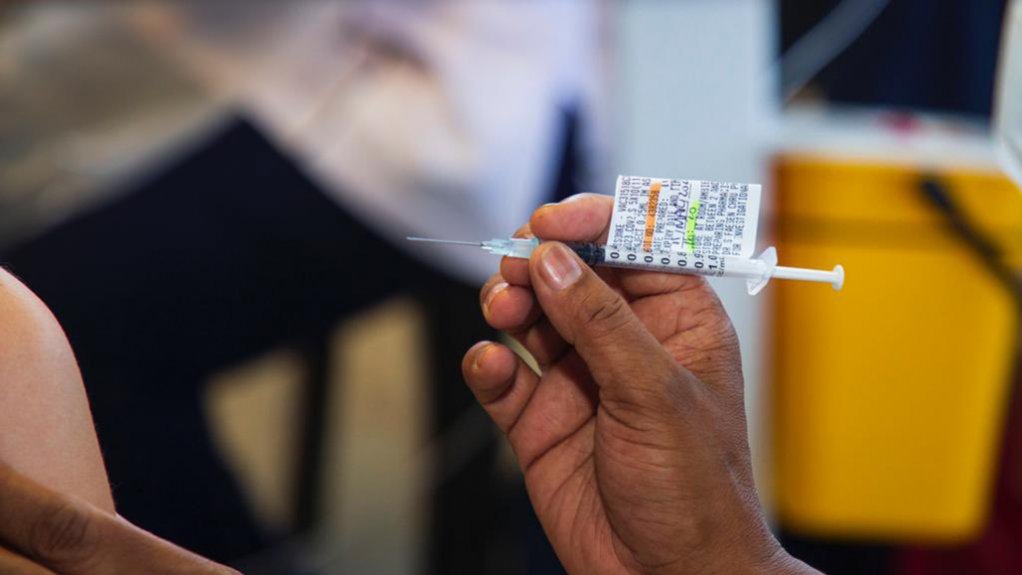


The rate of vaccine hesitancy is low in South Africa, with 71% of people willing to take the Covid-19 jab.
The recent National Income Dynamics Study (NIDS)–Coronavirus Rapid Mobile Survey (CRAM) Wave 4 study has found that over 71% of South Africans would take the Covid-19 vaccine, if it were available. Mass vaccination for Covid-19 is only expected to start in the country on 17 May.
Researchers collected the NIDS-CRAM Wave 4 data between 2 February and 10 March 2021. There were 5 629 successful Wave 4 interviews.
According to the research, local vaccine acceptance is higher than recent estimates from the United States and France, but lower than China, Brazil and the United Kingdom compared to other countries.
"The youth and those with only a primary school education were more likely to be vaccine hesitant," the research found.
People over 60 and those who have chronic conditions like HIV/Aids, TB, lung conditions, heart conditions or diabetes were less likely to be vaccine hesitant.
"Worryingly, those that are obese or experience hypertension were not more likely to accept a vaccine," the researchers said.
Young people, aged between 18-25, were much more likely to be vaccine hesitant than older adults.
"Specifically, just 63% of youth are willing to take a Covid-19 vaccine, as opposed to 72%–73% of individuals aged 35–59 years and those older than 60 years. Those most at risk of Covid-19 (those with chronic conditions and the elderly) were more willing than the general population to accept a vaccine."
Some of the reasons that participants gave for their vaccine hesitancy included not believing that it was effective, worrying about the side effects, or not trusting vaccines in general.
"Only 8% of those exhibiting vaccine hesitancy attributed their hesitancy to a low perceived risk of getting Covid-19. People who trust social media as an information source were significantly more likely to exhibit vaccine hesitancy."
When it comes to home language, the most vaccine hesitant people are Afrikaans speakers.
Forty-two percent of Afrikaans home language speakers are more likely to be vaccine-hesitant. This is much higher than the national average of 29% and significantly higher than seven of the 11 language groups.
The researchers found the lowest hesitancy rate among Tshivenda (18%), isiNdebele (19%) and isiXhosa, isiZulu and Sepedi respondents (all 25%).
Article Enquiry
Email Article
Save Article
Feedback
To advertise email advertising@creamermedia.co.za or click here
Research Reports

Projects

Latest Multimedia
Latest News


Showroom

Multotec, recognised industry leaders in metallurgy and process engineering help mining houses across the world process minerals more efficiently,...
VISIT SHOWROOM
We at Hawk High Pressure Pumps specialise in industrial pumps and pumping systems. Our high pressure washing equipment is locally manufactured and...
VISIT SHOWROOM

Press Office
Announcements
What's On
Subscribe to improve your user experience...
Option 1 (equivalent of R125 a month):
Receive a weekly copy of Creamer Media's Engineering News & Mining Weekly magazine
(print copy for those in South Africa and e-magazine for those outside of South Africa)
Receive daily email newsletters
Access to full search results
Access archive of magazine back copies
Access to Projects in Progress
Access to ONE Research Report of your choice in PDF format
Option 2 (equivalent of R375 a month):
All benefits from Option 1
PLUS
Access to Creamer Media's Research Channel Africa for ALL Research Reports, in PDF format, on various industrial and mining sectors
including Electricity; Water; Energy Transition; Hydrogen; Roads, Rail and Ports; Coal; Gold; Platinum; Battery Metals; etc.
Already a subscriber?
Forgotten your password?
Receive weekly copy of Creamer Media's Engineering News & Mining Weekly magazine (print copy for those in South Africa and e-magazine for those outside of South Africa)
➕
Recieve daily email newsletters
➕
Access to full search results
➕
Access archive of magazine back copies
➕
Access to Projects in Progress
➕
Access to ONE Research Report of your choice in PDF format
RESEARCH CHANNEL AFRICA
R4500 (equivalent of R375 a month)
SUBSCRIBEAll benefits from Option 1
➕
Access to Creamer Media's Research Channel Africa for ALL Research Reports on various industrial and mining sectors, in PDF format, including on:
Electricity
➕
Water
➕
Energy Transition
➕
Hydrogen
➕
Roads, Rail and Ports
➕
Coal
➕
Gold
➕
Platinum
➕
Battery Metals
➕
etc.
Receive all benefits from Option 1 or Option 2 delivered to numerous people at your company
➕
Multiple User names and Passwords for simultaneous log-ins
➕
Intranet integration access to all in your organisation
