Verified, traceable bottled water increasingly important amid water crisis – SANBWA

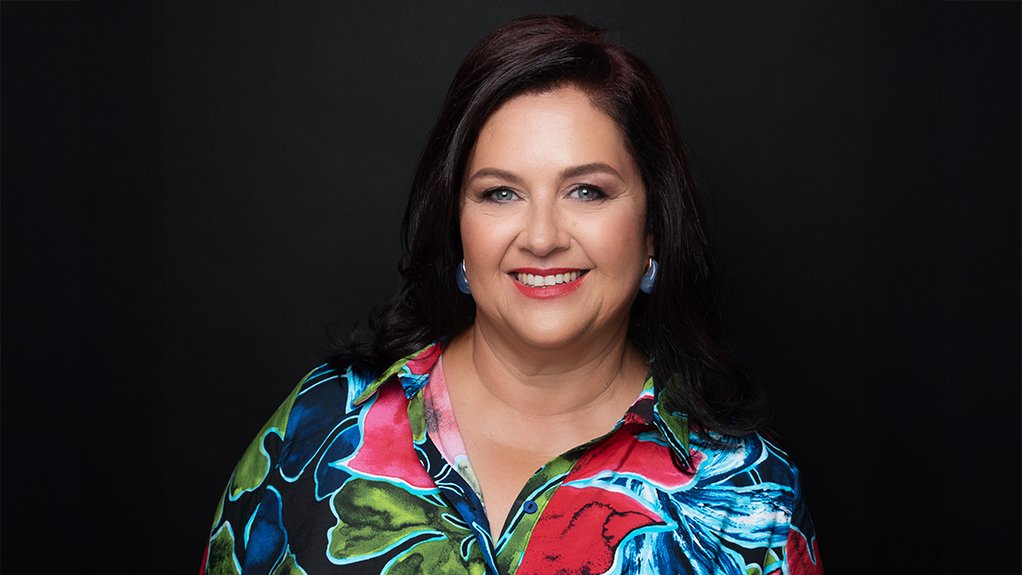
CHARLOTTE METCALF Packaged, or bottled water is classified and legislated by the Department of Health as a food product, and is bottled in a food-safe facility, is hermetically sealed and has a shelf life



With an ever-increasing need for cheaper or alternative drinking water sources as South African consumers lose confidence in municipal water supply, responsible bottled water from a verified source that is sealed and traceable is becoming more important.
Across South Africa, municipal infrastructure is failing as it ages and municipal water supply is becoming increasingly unreliable.
This has led to declining confidence among households and businesses, which is partly driving the demand for, and proliferation of, water refilling stations, perceived to be an affordable alternative.
“A growing number of water products have entered the market; however, not all of them are safe, regulated or honest about what they are. When the taps are dry, the need for a drinking water alternative forces the public to put their trust into products that might not be trustworthy,” warns South African National Bottled Water Association (SANBWA) CEO Charlotte Metcalf.
She highlights two – very contrasting – categories of water in South Africa: bottled water and drinking water.
Packaged, or bottled water, is classified and legislated by the Department of Health as a food product, and is bottled in a food-safe facility, is hermetically sealed and has a shelf life.
The water used by reputable water bottlers comes from two sources, namely protected groundwater from springs and boreholes, sold as (natural) spring or (natural) mineral water, and municipal water, which is sold as prepared water.
Refilled water, sourced from municipal systems, is assumed to be classified as drinking water and must adhere to SANS 241. However, refill stations and shops are not held to the same rigorous standards, leading to concerns over contamination and consumer safety.
Refill stations are only allowed to refill new bottles provided by the shop or consumers’ own bottles, on the spot.
While on the surface they appear to offer a practical solution, some refill stations are pre-filling, sealing and labelling bottles for retail sale, resulting in water with no traceability, no verified source, no batch testing, no declared shelf life and no recall system.
This practice is legally classified as packaged water production and requires the enforcement of food safety legislation.
South African food safety legislation mandates that bottled water be produced in controlled environments, with proper hygiene, risk assessments, verified shelf life and traceability.
“Once water is packaged for sale, it is a closed bottle system legislated as a food product, and it must be treated as such. You need proper food safety systems, verified processes, hygiene control, traceability and quality assurance,” she tells Engineering News & Mining Weekly.
SANBWA has repeatedly raised concerns about the risks in this space.
“Our concern is not with responsible, properly managed refill operations, but with the differentiation of the categories and the growing grey market of refillers operating without adequate controls. Many of them are crossing the categories. They start as refill stations, but then they become pre-filling, sealing, labelling and selling bottled water, and they market it as that.”
Clearer enforcement, better public education and stronger accountability are needed for any operator placing packaged drinking water into the market.
By raising the alarm, the association does not aim to shut down innovation, but to ensure that alternative drinking water options do not expose consumers to hidden risks.
“There has to be a baseline, there has to be a standard and there has to be a minimum of treatment and checks based on risk assessment,” says Metcalf, highlighting the association’s role in ensuring that the difference is visible for consumers to be able to make an informed choice and to push for consistent enforcement of standards that already exist in law.
“From our side, our position is balanced. We need safe, reliable drinking water options, especially during our water crisis, but an alternative supply cannot come at the expense of consumer safety. The consumer needs to know what they are paying for.”
Further, when a consumer picks up a bottle of water, they should not need a science degree to know whether it is safe, she continued.
SANBWA’s logo on bottled water means that the source has been verified by a qualified hydrogeologist, the facility has been independently audited, the product has been batch tested, there is a traceability system in place if anything goes wrong and that the plastic bottle is 100% recyclable.
SANBWA requires every prospective member to submit a report from a qualified hydrogeologist confirming that their source is sustainable and protected from contamination. Without it, membership is not granted.
“Anyone can put water into a bottle. The real question is whether you can prove where it came from, how it was handled, what standards were applied and whether the product can be traced if something goes wrong. That proof requires serious investment in equipment, systems, people, testing and audits. It is not something you can shortcut your way to, and it is exactly why standards matter,” says Thirsti CEO Rob Hoatson.
What matters is whether a source is understood, monitored and managed for the long term and whether the science backs the claims made about it.
“Water is part of a living system. You cannot separate the bottle from the catchment that filled it. Understanding recharge rates, extraction limits and long-term source health is the foundation of everything that follows. South Africa is facing real water pressure, and that makes responsible source stewardship more urgent, not less,” adds hydrologist John Weaver.
SANBWA member brands include All Aqua, Aquabella, AquaMonte, aQuellé, Bené, Bonaqua, Designer Water, La Vie De Luc, Thirsti and Valpré, each carrying the SANBWA logo as evidence of independently audited compliance with that standard.
“We represent our members – responsible, compliant water bottlers – that meet these strict requirements for source verification, food safety, hygiene traceability, environmental responsibility and regular testing.
"For consumers, retailers and regulators, it is a simple way to identify water that has been produced under recognised quality and safety controls,” Metcalf concludes.
Article Enquiry
Email Article
Save Article
Feedback
To advertise email advertising@creamermedia.co.za or click here
Research Reports
Projects

Latest Multimedia


Latest News

Showroom
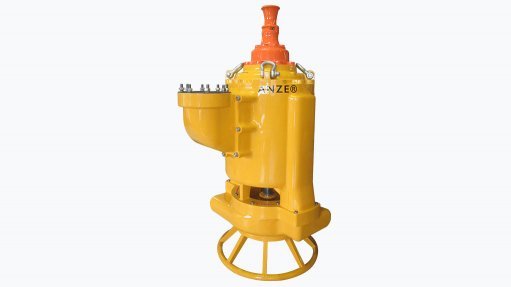
Goodwin Submersible Pumps Africa is sole distributors for Goodwin electrically driven, submersible, abrasion resistance slurry pumps.
VISIT SHOWROOM
Energy and Densification Systems (EDS) has developed equipment for crushing, milling, blending and densifying products. Based on its globally...
VISIT SHOWROOM


Announcements
What's On
Subscribe to improve your user experience...
Option 1 (equivalent of R125 a month):
Receive a weekly copy of Creamer Media's Engineering News & Mining Weekly magazine
(print copy for those in South Africa and e-magazine for those outside of South Africa)
Receive daily email newsletters
Access to full search results
Access archive of magazine back copies
Access to Projects in Progress
Access to ONE Research Report of your choice in PDF format
Option 2 (equivalent of R375 a month):
All benefits from Option 1
PLUS
Access to Creamer Media's Research Channel Africa for ALL Research Reports, in PDF format, on various industrial and mining sectors
including Electricity; Water; Energy Transition; Hydrogen; Roads, Rail and Ports; Coal; Gold; Platinum; Battery Metals; etc.
Already a subscriber?
Forgotten your password?
Receive weekly copy of Creamer Media's Engineering News & Mining Weekly magazine (print copy for those in South Africa and e-magazine for those outside of South Africa)
➕
Recieve daily email newsletters
➕
Access to full search results
➕
Access archive of magazine back copies
➕
Access to Projects in Progress
➕
Access to ONE Research Report of your choice in PDF format
RESEARCH CHANNEL AFRICA
R4500 (equivalent of R375 a month)
SUBSCRIBEAll benefits from Option 1
➕
Access to Creamer Media's Research Channel Africa for ALL Research Reports on various industrial and mining sectors, in PDF format, including on:
Electricity
➕
Water
➕
Energy Transition
➕
Hydrogen
➕
Roads, Rail and Ports
➕
Coal
➕
Gold
➕
Platinum
➕
Battery Metals
➕
etc.
Receive all benefits from Option 1 or Option 2 delivered to numerous people at your company
➕
Multiple User names and Passwords for simultaneous log-ins
➕
Intranet integration access to all in your organisation