Training should reflect real-world risk

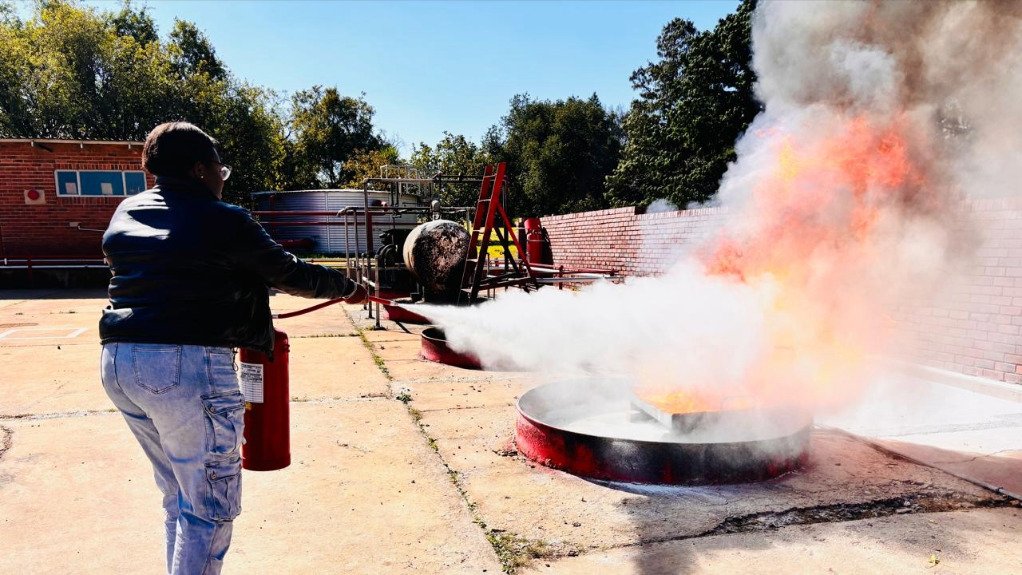
SCENARIO-BASED TRAINING Risk-informed, scenario-based practical training should reflect the actual environments in which fire marshals operate, with a primary focus on human behaviour in emergencies, decision-making under stress and site-specific risks


Fire marshal training is not a “one-stop product”, industry body the Fire Prevention Association Southern Africa (FPASA) says, emphasising that the suite of training tools and programmes available reflects real-world risk profiles and requirements, rather than rigid adherence to generic compliance checklists.
“The role of the fire marshal is to manage or mitigate the fire risk in the workplace, understand the installed fire-related safety equipment and ensure people-preparedness,” FPASA head of technical Kyle Jordaan states.
However, these aspects can differ significantly across workplaces, hence the association’s promoting that fire marshals should attend competency-based training and continuous professional development as opposed to once-off certification.
The core competencies that modern fire marshals should have, notes Jordaan, pertain to the understanding that fire places people, productivity, facilities and equipment at risk.
With this understanding as a starting point, the safeguarding of employees’ safety is enhanced using fire risk identification and assessment; an understanding of the basics of detection and suppression system functionality; and foregrounding emergency coordination and evacuation plans.
“In higher-risk environments, this responsibility extends to understanding hazardous materials, battery systems, machinery hazards and how these could affect a fire, which, in turn, necessitates site-specific emergency response procedures,” he explains.
Consequently, training should move beyond “what to do when the alarm sounds” towards understanding how systems behave and why they activate, especially in higher-risk environments.
Moreover, the increased exposure to intelligent detection principles, system feedback and fault reporting, as well as the interactions among detection, suppression, building management and access control systems, have further enabled fire marshals to make faster and more informed decisions during incidents and in assisting with early fault identification before systems fail.
However, the most basic focus of a fire marshal, Jordaan says, is rooted in identifying and then limiting the risk of fires.
As such, the association is advocating for risk-informed, scenario-based, practical training that reflects the actual environments in which the marshals operate, with a primary focus on human behaviour in emergencies, decision-making under stress and site- specific risks.
Best practices include yearly refresher training; regular evacuation and incident drills; post-drill reviews with lessons learned, resulting in updated training content; and new reviews and updates when risks change, says the FPASA.
“The fire marshal of the future will increasingly function as a risk-aware coordinator; however, the basic role should never be forgotten.
“While technology will continue to advance, the need for trained, competent individuals on site will remain central to effective fire safety,” Jordaan concludes.
Article Enquiry
Email Article
Save Article
Feedback
To advertise email advertising@creamermedia.co.za or click here
Research Reports
Projects


Latest Multimedia


Latest News


Showroom


The Steel Tube Export Association of South Africa was established to develop sustainable, internationally competitive carbon steel tube and pipe...
VISIT SHOWROOM


Press Office
Announcements
What's On
Subscribe to improve your user experience...
Option 1 (equivalent of R125 a month):
Receive a weekly copy of Creamer Media's Engineering News & Mining Weekly magazine
(print copy for those in South Africa and e-magazine for those outside of South Africa)
Receive daily email newsletters
Access to full search results
Access archive of magazine back copies
Access to Projects in Progress
Access to ONE Research Report of your choice in PDF format
Option 2 (equivalent of R375 a month):
All benefits from Option 1
PLUS
Access to Creamer Media's Research Channel Africa for ALL Research Reports, in PDF format, on various industrial and mining sectors
including Electricity; Water; Energy Transition; Hydrogen; Roads, Rail and Ports; Coal; Gold; Platinum; Battery Metals; etc.
Already a subscriber?
Forgotten your password?
Receive weekly copy of Creamer Media's Engineering News & Mining Weekly magazine (print copy for those in South Africa and e-magazine for those outside of South Africa)
➕
Recieve daily email newsletters
➕
Access to full search results
➕
Access archive of magazine back copies
➕
Access to Projects in Progress
➕
Access to ONE Research Report of your choice in PDF format
RESEARCH CHANNEL AFRICA
R4500 (equivalent of R375 a month)
SUBSCRIBEAll benefits from Option 1
➕
Access to Creamer Media's Research Channel Africa for ALL Research Reports on various industrial and mining sectors, in PDF format, including on:
Electricity
➕
Water
➕
Energy Transition
➕
Hydrogen
➕
Roads, Rail and Ports
➕
Coal
➕
Gold
➕
Platinum
➕
Battery Metals
➕
etc.
Receive all benefits from Option 1 or Option 2 delivered to numerous people at your company
➕
Multiple User names and Passwords for simultaneous log-ins
➕
Intranet integration access to all in your organisation