Interest rates increased by biggest margin since 2016

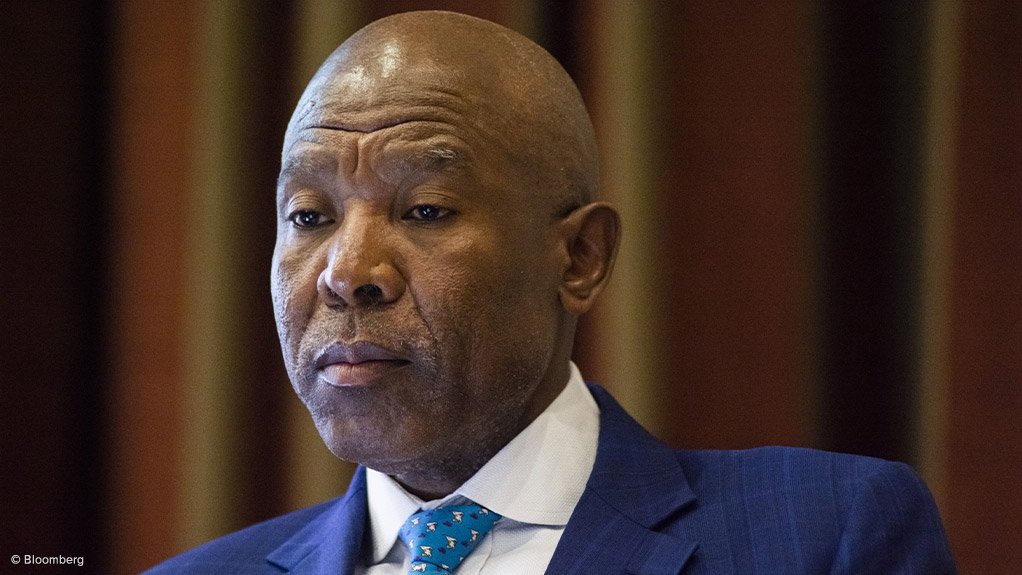



The Reserve Bank's monetary policy committee has increased the repo rate by 50 basis points to 4.75%. This is the largest hike since January 2016.
Four members of the committee voted for the increase, while one voted for a 25 basis point hike.
The prime rate increases to 8.25%. On a new home loan of R2 million at the prime rate, the monthly payment will increase by more than R600 following the rate hike.
After the prime rate went from 10% in 2019 to 7% last year, the bank started hiking rates again in November.
The Reserve Bank was under pressure to hike rates as inflation in April hit 5.9% for the third time in five months. The bank targets an inflation rate of between 3% and 6%.
On Thursday, the bank hiked its forecast of headline inflation for this year - from 5.8% to 5.9%, primarily due to higher food and fuel prices.
Fuel prices are 30% higher than a year ago. Due in part to oil boycotts against major producer Russia, following its invasion of Ukraine, oil prices have jumped to above $110 a barrel, from an average of around $70 last year.
Food prices have also surged as the fall-out from the Ukraine war disrupted supplies of staple grains and vegetable oil.
"Russia’s war in the Ukraine is likely to persist for the rest of this year and may have significant further effects on global prices," said Reserve Bank Governor Lesetja Kganyago.
Electricity and other administered prices continue to present short- and medium-term risks, he added.
On Thursday, the bank downgraded its expectation for South African economic growth this year - from 2.0% to 1.7%.
"This is due to a combination of short-term factors, including the flooding in Kwa-Zulu Natal and the continued electricity supply constraints.
"Two weeks ago, the US central bank hiked its interest rates by 50 basis points, its biggest increase in 22 years.
This added pressure to the Reserve Bank. If South African interest rates stay too low for too long, this will hit the rand. Traders will move to currencies that earn higher interest. A weaker rand adds to inflationary pressures, as South Africa depends on oil imports.
On a new home loan of R2 million at the prime rate, the monthly payment will increase by more than R600 following the rate hike.
After the prime rate went from 10% in 2019 to 7% last year, the bank started hiking rates again in November.
The Reserve Bank was under pressure to hike rates as inflation in April hit 5.9% for the third time in five months. The bank targets an inflation rate of between 3% and 6%.
On Thursday, the bank hiked its forecast of headline inflation for this year - from 5.8% to 5.9%, primarily due to higher food and fuel prices. In April, the inflation rate hit 5.9% for the third time in five months.
Fuel prices are 30% higher than a year ago. Due in part to oil boycotts against major producer Russia, following its invasion of Ukraine, oil prices have jumped to above $110 a barrel, from an average of around $70 last year.
Food prices have also surged as the fall-out from the Ukraine war disrupted supplies of staple grains and vegetable oil.
"Russia’s war in the Ukraine is likely to persist for the rest of this year and may have significant further effects on global prices," said Reserve Bank Governor Lesetja Kganyago
Electricity and other administered prices continue to present short- and medium-term risks, he added.
On Thursday, the bank downgraded its expectation for South African economic growth this year - from 2.0% to 1.7%.
"This is due to a combination of short-term factors, including the flooding in Kwa-Zulu Natal and the continued electricity supply constraints."
Two weeks ago, the US central bank hiked its interest rates by 50 basis points, its biggest increase in 22 years.
This added pressure to the Reserve Bank. If South African interest rates stay too low for too long, this will hit the rand. Traders will move to currencies that earn higher interest. A weaker rand adds to inflationary pressures, as South Africa is dependent on oil imports.
Article Enquiry
Email Article
Save Article
Feedback
To advertise email advertising@creamermedia.co.za or click here
Research Reports

Projects


Latest Multimedia

Latest News


Showroom


SafeQuip is a leading distributor and manufacturer of fire safety solutions, offering a comprehensive range of products designed to meet all...
VISIT SHOWROOM



Press Office
Announcements
What's On
Subscribe to improve your user experience...
Option 1 (equivalent of R125 a month):
Receive a weekly copy of Creamer Media's Engineering News & Mining Weekly magazine
(print copy for those in South Africa and e-magazine for those outside of South Africa)
Receive daily email newsletters
Access to full search results
Access archive of magazine back copies
Access to Projects in Progress
Access to ONE Research Report of your choice in PDF format
Option 2 (equivalent of R375 a month):
All benefits from Option 1
PLUS
Access to Creamer Media's Research Channel Africa for ALL Research Reports, in PDF format, on various industrial and mining sectors
including Electricity; Water; Energy Transition; Hydrogen; Roads, Rail and Ports; Coal; Gold; Platinum; Battery Metals; etc.
Already a subscriber?
Forgotten your password?
Receive weekly copy of Creamer Media's Engineering News & Mining Weekly magazine (print copy for those in South Africa and e-magazine for those outside of South Africa)
➕
Recieve daily email newsletters
➕
Access to full search results
➕
Access archive of magazine back copies
➕
Access to Projects in Progress
➕
Access to ONE Research Report of your choice in PDF format
RESEARCH CHANNEL AFRICA
R4500 (equivalent of R375 a month)
SUBSCRIBEAll benefits from Option 1
➕
Access to Creamer Media's Research Channel Africa for ALL Research Reports on various industrial and mining sectors, in PDF format, including on:
Electricity
➕
Water
➕
Energy Transition
➕
Hydrogen
➕
Roads, Rail and Ports
➕
Coal
➕
Gold
➕
Platinum
➕
Battery Metals
➕
etc.
Receive all benefits from Option 1 or Option 2 delivered to numerous people at your company
➕
Multiple User names and Passwords for simultaneous log-ins
➕
Intranet integration access to all in your organisation