How Manufacturing Indaba is powering Africa’s “Made in Africa” future

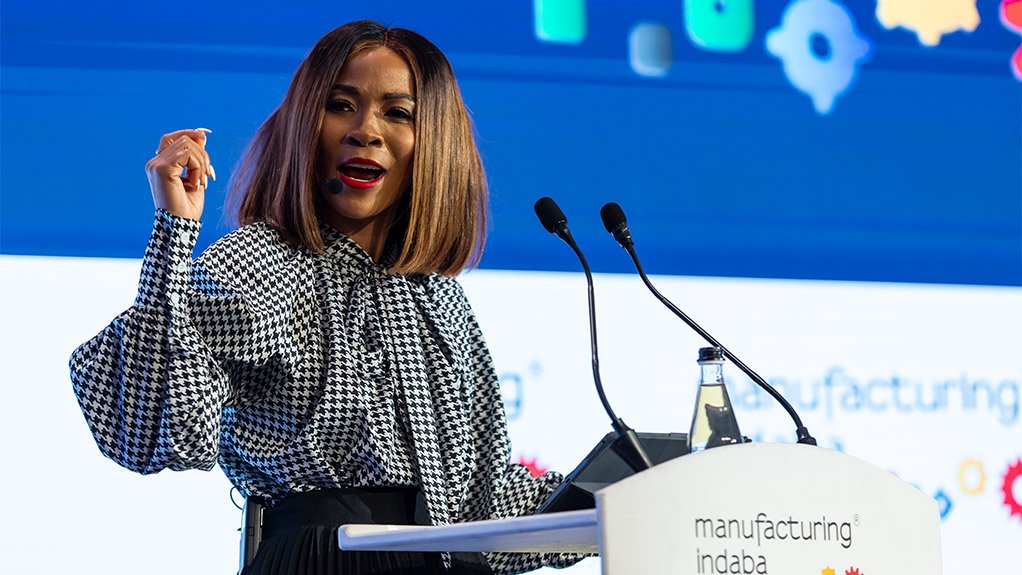
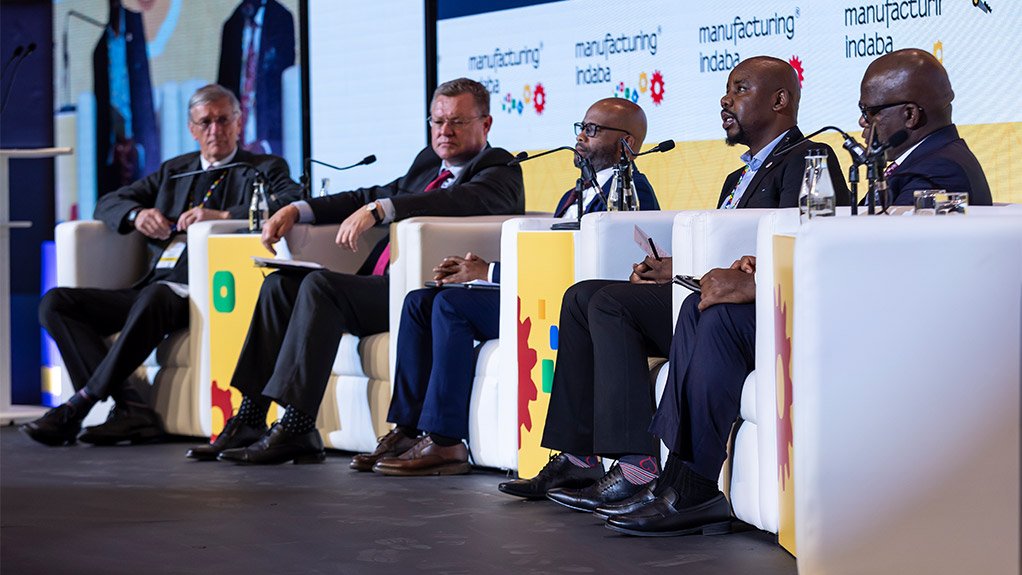




For decades, Africa has supplied the world with raw materials, agricultural products and natural resources, while much of the value created from these resources has been captured elsewhere. Today, that narrative is changing.
Across the continent, governments, businesses, investors and innovators are focused on a common goal: transforming Africa from a supplier of raw materials into a globally competitive manufacturing powerhouse. The vision is clear, products designed, developed and manufactured in Africa, are not only for African consumers, but for international markets too.
The phrase “Made in Africa” reflects a growing movement to build industrial capacity, create jobs and position Africa as a key player in global value chains. It is also a vision that lies at the heart of Manufacturing Indaba, Africa’s leading manufacturing event.
Unlocking Africa’s Manufacturing Potential
Africa has many of the ingredients needed for industrial growth, with a large population, abundant natural resources, expanding consumer markets and rapidly urbanising economies. At the same time, global manufacturers are seeking to diversify supply chains, creating new opportunities for African countries to attract investment and strengthen local production.
However, long-term success depends on moving beyond the export of raw materials and embracing value-added manufacturing. Whether in minerals, agriculture, pharmaceuticals, automotive components or consumer goods, Africa has the potential to produce higher-value products that can compete globally.
This is precisely the conversation that Manufacturing Indaba seeks to advance by bringing together manufacturers, investors, policymakers and solution providers to accelerate industrialisation across the continent.
Adding Value at Source
Beneficiation and local value addition are essential to Africa’s industrial future. Rather than just exporting raw materials, African countries are increasingly exploring opportunities to process, refine and manufacture products locally.
The same applies to agriculture, where expanding agro-processing industries can create jobs, improve food security and increase export earnings.
By retaining more of the manufacturing process within the continent, African economies will generate greater value, strengthen supply chains and improve trade balances. These are among the key themes that continue to shape discussions at Manufacturing Indaba.
The AfCFTA Opportunity
The African Continental Free Trade Area (AfCFTA) represents one of the biggest opportunities for manufacturers.
By creating an integrated market of more than one billion people, AfCFTA allows businesses to scale production, access new markets and develop regional value chains. Reduced trade barriers can aid manufacturers to become more competitive and strengthen Africa’s intra-trade channels.
Manufacturing Indaba has consistently championed regional integration and cross-border collaboration, providing a platform where industry leaders and policymakers can explore how to unlock the full benefits of AfCFTA and position African manufacturers for global competitiveness.
Technology Driving Competitiveness
Manufacturing is undergoing rapid transformation through automation, AI, digitalisation and Industry 4.0 technologies.
Smart factories, predictive maintenance systems and data-driven supply chains are helping manufacturers improve efficiency, reduce costs and enhance product quality.
For Africa, technology presents opportunity to leapfrog traditional industrial development models and compete more effectively on the global stage.
Manufacturing Indaba provides a platform where businesses can discover the latest technologies, solutions and innovations that are shaping the future of manufacturing, enabling companies to improve productivity and accelerate growth.
Investing in Skills and People
Industrial growth cannot happen without people.
As manufacturing evolves, demand for engineers, technicians, software specialists and advanced manufacturing professionals continues to grow. Investment in technical education and skills development is critical in building a competitive manufacturing sector.
Strong partnerships between industry, government and educational institutions are needed to prepare the workforce for the changing demands of modern manufacturing.
Through its conferences and networking platforms, Manufacturing Indaba facilitates important conversations around skills development, youth employment and building the talent pipeline needed to support Africa’s industrial ambitions.
While opportunities are many, challenges remain. Energy security, logistics, infrastructure, access to finance and policy certainty continue to affect manufacturing competitiveness across many African markets.
Addressing these challenges requires collaboration between governments, businesses, investors and development institutions.
Manufacturing Indaba serves as a catalyst for these partnerships, creating opportunities for dialogue, investment and practical solutions that support industrial growth across the continent.
Africa’s manufacturing future is no longer an aspiration, it is already taking shape.
Businesses across the continent are investing in technology, expanding production capabilities and developing innovative products that can compete internationally. The question is no longer whether Africa can manufacture for the world, but how quickly it can unlock its full potential.
That is why Manufacturing Indaba remains such an important platform. More than a conference and exhibition, it is where conversations become partnerships, ideas become investments and opportunities become growth.
Because the future of manufacturing is “Made in Africa” and Manufacturing Indaba is helping turn that vision into reality.
Article Enquiry
Email Article
Save Article
Feedback
To advertise email advertising@creamermedia.co.za or click here
Research Reports
Projects


Latest Multimedia

Showroom

Established in 1983, the ASTPM is an industry association and representative body of the welded carbon steel tube and pipe manufacturers of South...
VISIT SHOWROOM



Announcements
What's On
Subscribe to improve your user experience...
Option 1 (equivalent of R125 a month):
Receive a weekly copy of Creamer Media's Engineering News & Mining Weekly magazine
(print copy for those in South Africa and e-magazine for those outside of South Africa)
Receive daily email newsletters
Access to full search results
Access archive of magazine back copies
Access to Projects in Progress
Access to ONE Research Report of your choice in PDF format
Option 2 (equivalent of R375 a month):
All benefits from Option 1
PLUS
Access to Creamer Media's Research Channel Africa for ALL Research Reports, in PDF format, on various industrial and mining sectors
including Electricity; Water; Energy Transition; Hydrogen; Roads, Rail and Ports; Coal; Gold; Platinum; Battery Metals; etc.
Already a subscriber?
Forgotten your password?
Receive weekly copy of Creamer Media's Engineering News & Mining Weekly magazine (print copy for those in South Africa and e-magazine for those outside of South Africa)
➕
Recieve daily email newsletters
➕
Access to full search results
➕
Access archive of magazine back copies
➕
Access to Projects in Progress
➕
Access to ONE Research Report of your choice in PDF format
RESEARCH CHANNEL AFRICA
R4500 (equivalent of R375 a month)
SUBSCRIBEAll benefits from Option 1
➕
Access to Creamer Media's Research Channel Africa for ALL Research Reports on various industrial and mining sectors, in PDF format, including on:
Electricity
➕
Water
➕
Energy Transition
➕
Hydrogen
➕
Roads, Rail and Ports
➕
Coal
➕
Gold
➕
Platinum
➕
Battery Metals
➕
etc.
Receive all benefits from Option 1 or Option 2 delivered to numerous people at your company
➕
Multiple User names and Passwords for simultaneous log-ins
➕
Intranet integration access to all in your organisation