



Receive our free daily newsletter:
Ukraine
Latest 20 Articles in 60 Seconds
The aluminium market is heading for what Wood Mackenzie describes as an unprecedented crisis, with the global market facing a supply deficit of up to four-million metric tons this year after missile strikes damaged Emirates Global Aluminium's Al Taweelah plant and Aluminium Bahrain's facilities, while the continued closure of the Strait of Hormuz causes major logistical problems for Gulf producers that account for over a fifth of non-Chinese production. London Metal Exchange registered stocks have fallen by a third to 339 475 t since the start of the year, with the benchmark cash-to-three-months spread flipping into backwardation of $95.50 a ton – the tightest the market has been since 2007 – while physical premiums have surged, with the CME spot premium for Japan more than doubling to $316 a ton and the European duty-paid premium jumping by 58% since early March. CRU expects aluminium prices to reach $4 020 a ton in the third quarter of 2026 and peak at $4 105 in the second quarter of 2027, with the market deficit proving far more difficult to resolve than previous disruptions as idled smelter capacity in the US and Europe remains offline owing to high energy costs, while the closure of Mozambique's Mozal smelter in March owing to unaffordable power has compounded the supply hit.
Fertiliser prices are projected to increase by 31% in 2026, driven by a 60% jump in urea prices, with fertiliser affordability falling to its worst level since 2022, threatening to erode farmers' incomes and future crop yields, while the UN World Food Programme's analysis shows that if the conflict is more prolonged, these pressures on food supply and affordability could push up to 45-million more people into acute food insecurity this year. Independent Commodity Intelligence Services fertiliser analyst Chris Vlachopoulos warns that the global fertiliser market faces disruption to supply chains and costs on an unprecedented scale, with pressures expected to persist even if the Strait of Hormuz reopens and the conflict is resolved swiftly, as physical supply chains are expected to take considerable time to normalise, particularly for phosphates, where global availability was already tight before the latest Middle East conflict. Market participants caution that while fertiliser import prices may respond relatively quickly as geopolitical risk premiums linked to freight and insurance unwind, this would be unlikely to translate into a full normalisation of the value chain for a considerable time, with some suggesting that even if the conflict were to end immediately, disruptions to global fertiliser trade flows could continue until the end of this year and possibly even into the first quarter of 2027.
Asian LNG prices have rallied 75% from their pre-war level to $18.20 per million British thermal units, with prices rising in March to their highest level since December 2022, hitting $25.30, after Iran hit Qatar's Ras Laffan LNG facility, although this remains well below the record high of $70.50 per mmBtu in August 2022 after Russia's full-scale invasion of Ukraine. Uniper's chief executive for the Middle East, John Roper, warns that LNG prices could rise further in significant volatility if supply disruptions coalesce with hot weather in Asia and European storage refill needs, with the current supply disruptions hitting Asian countries excluding China harder than Europe so far, and the consequences expected to be felt until at least 2030 as the closure of the Strait of Hormuz and damage to facilities took most of the LNG supply growth from 2025 to 2026 off the market. Canada and Germany's state-owned energy firm SEFE have reached what Canada describes as its first LNG supply deal with a European buyer, outlining SEFE's intent to purchase one-million tons a year of LNG from the proposed Ksi Lisims export facility on British Columbia's Pacific coast, with deliveries potentially beginning in the early 2030s for a period of up to 20 years, underscoring efforts on both sides to diversify energy trade amid global market uncertainty.
South Africa's central bank governor Lesetja Kganyago has signalled a preference to raise interest rates sooner rather than later to tackle the coming wave of inflation from the Iran war shocks, warning that "by the time you decide to act, it might be too late" and pointing to the last inflation shock that followed the pandemic and Russia's invasion of Ukraine, when "central banks that responded late ended up having to respond more aggressively". Consumer inflation in South Africa slowed to 3% in February – hitting the central bank's target – from 3.5% in the previous month, but that slowdown came before the government raised petrol prices by the most in two decades, with Kganyago saying last month that higher energy costs may lift inflation to 4% in the near term, while fuel-price growth may accelerate to more than 18%. Citi's chief Africa economist David Cowan warns that Senegal, Mozambique and Malawi could default on their debts in the next two years, as governments reel from the impact of the Iran oil price shock on their finances and economies, with Senegal still in "a pretty big mess" and potentially heading into a default in 2027, while Malawi and Mozambique could default this year owing to steep weakening of their respective currencies, which could push their debt stocks and payments due on hard-currency lending into unsustainable territory.
Ukraine Updates
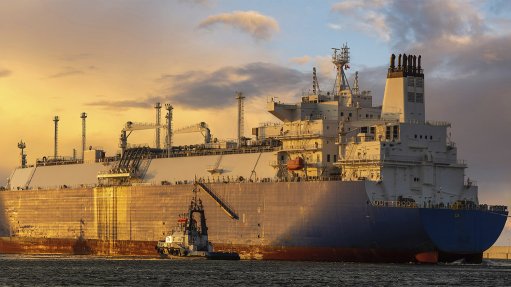
Liquefied natural gas (LNG) prices could rise further in significant volatility than experienced so far during the Iran war if supply disruptions coalesce with hot weather in Asia and European...
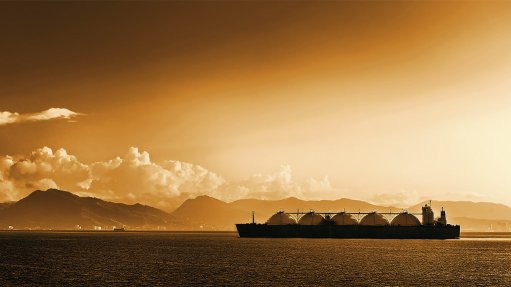
Canada and Germany’s State-owned energy firm SEFE said on Wednesday they had reached what Canada described as its first liquefied natural gas (LNG) supply deal with a European buyer, underscoring...
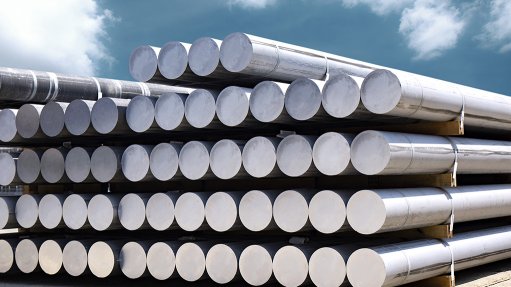
The Iran war is shaping up to be one of the biggest supply shocks in the history of the aluminium market. Gulf production of the metal, which is used across sectors as diverse as transport,...

South Africa is experiencing its third energy crisis of this decade. While electricity loadshedding has been a threat for far longer, the most extreme phase was definitely during 2022 and 2023,...
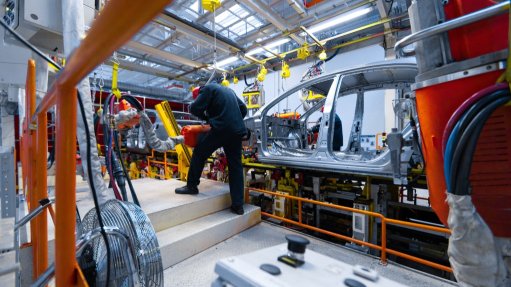
Despite experiencing frequent supply chain disruptions over the last six years, suppliers remain reactive rather than proactive, owing to structural constraints within the value chain, leaving...
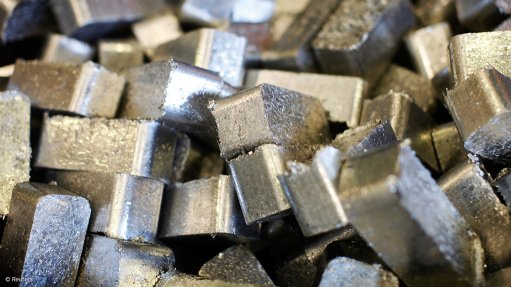
Aluminium prices are expected to be above $4 000 per metric ton between the third quarter of 2026 and the second quarter of 2027 due to a market deficit caused mainly by the Iran war, an analyst...
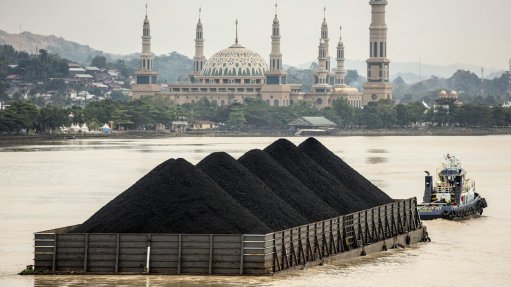
Seaborne thermal coal prices in Asia rallied in the wake of the US and Israeli war against Iran, but the gains are modest and nowhere near the size seen during the crisis created by Russia's...

South Africa has not escaped the fuel price shocks associated with disruptions to shipping in the Strait of Hormuz energy corridor and the damage to refinery and other infrastructure in the Gulf....
Energy prices are projected to surge by 24% this year to their highest level since Russia’s invasion of Ukraine in 2022, as the war in the Middle East sends a severe shock through global commodity...
Global disruptions, including geopolitical conflicts and logistics bottlenecks, have transformed procurement into one of the most strategically important capabilities within modern organisations,...
The situation in the Gulf has moved from epic fury to epic crisis. Wars reveal, with great clarity, the shape of the world when something is no longer there. We now understand the meaning of...

Independent Commodity Intelligence Services fertiliser analyst Chris Vlachopoulos has warned that the global fertiliser market faces disruption to supply chains and costs on an unprecedented scale....
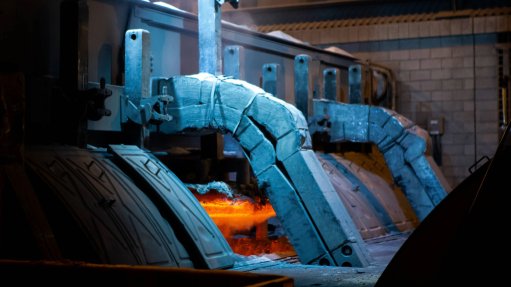
The Iran war is triggering an unprecedented crisis in the global aluminium market with potentially devastating knock-on effects across sectors as diverse as construction, packaging, transport and...
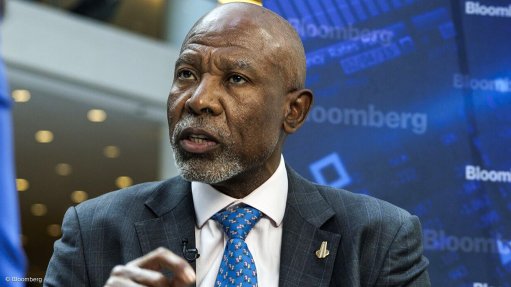
South Africa’s central bank governor referenced an 1879 battle in the Anglo-Zulu war in his views on how to tackle the coming wave on inflation from the Iran war shocks, implying a preference to...
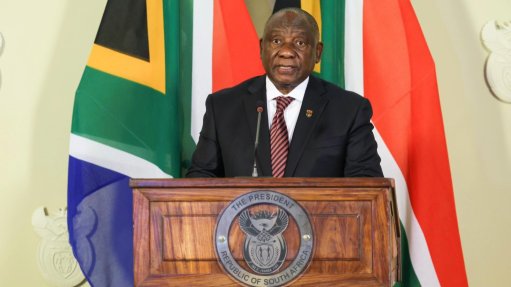
South African President Cyril Ramaphosa accepted new US Ambassador Leo Brent Bozell’s credentials, a month after the diplomat was issued with a formal reprimand for criticising the government and...
 |
 |
1 |
 |
 |
Research Reports


Projects

Latest Multimedia



Subscribe to improve your user experience...
Option 1 (equivalent of R125 a month):
Receive a weekly copy of Creamer Media's Engineering News & Mining Weekly magazine
(print copy for those in South Africa and e-magazine for those outside of South Africa)
Receive daily email newsletters
Access to full search results
Access archive of magazine back copies
Access to Projects in Progress
Access to ONE Research Report of your choice in PDF format
Option 2 (equivalent of R375 a month):
All benefits from Option 1
PLUS
Access to Creamer Media's Research Channel Africa for ALL Research Reports, in PDF format, on various industrial and mining sectors
including Electricity; Water; Energy Transition; Hydrogen; Roads, Rail and Ports; Coal; Gold; Platinum; Battery Metals; etc.
Already a subscriber?
Forgotten your password?
Receive weekly copy of Creamer Media's Engineering News & Mining Weekly magazine (print copy for those in South Africa and e-magazine for those outside of South Africa)
➕
Recieve daily email newsletters
➕
Access to full search results
➕
Access archive of magazine back copies
➕
Access to Projects in Progress
➕
Access to ONE Research Report of your choice in PDF format
RESEARCH CHANNEL AFRICA
R4500 (equivalent of R375 a month)
SUBSCRIBEAll benefits from Option 1
➕
Access to Creamer Media's Research Channel Africa for ALL Research Reports on various industrial and mining sectors, in PDF format, including on:
Electricity
➕
Water
➕
Energy Transition
➕
Hydrogen
➕
Roads, Rail and Ports
➕
Coal
➕
Gold
➕
Platinum
➕
Battery Metals
➕
etc.
Receive all benefits from Option 1 or Option 2 delivered to numerous people at your company
➕
Multiple User names and Passwords for simultaneous log-ins
➕
Intranet integration access to all in your organisation
