Upstream Technology says sensors are critical to the future of mining

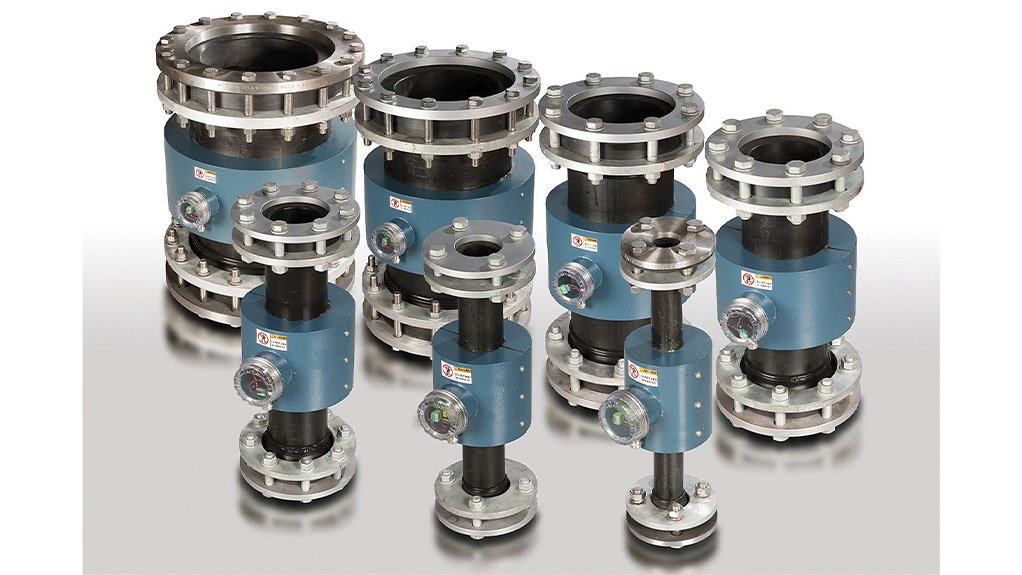
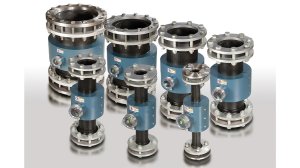
Upstream Technology’s non-nuclear DMC sensor delivers reliable, maintenance-free control of Dense Medium Separation plant density cut points while supporting improved safety and regulatory compliance.
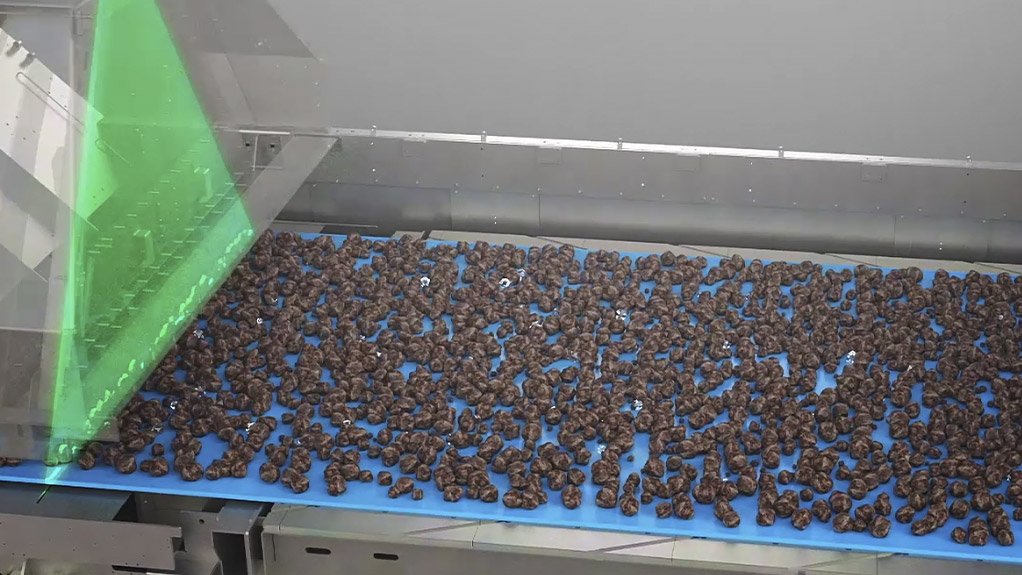
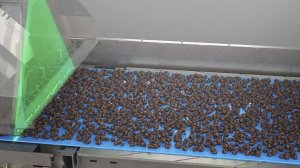
Through-belt XRT sensors enable the mine to measure diamond and ore properties accurately, continuously and in real-time maximising efficiency and stability.
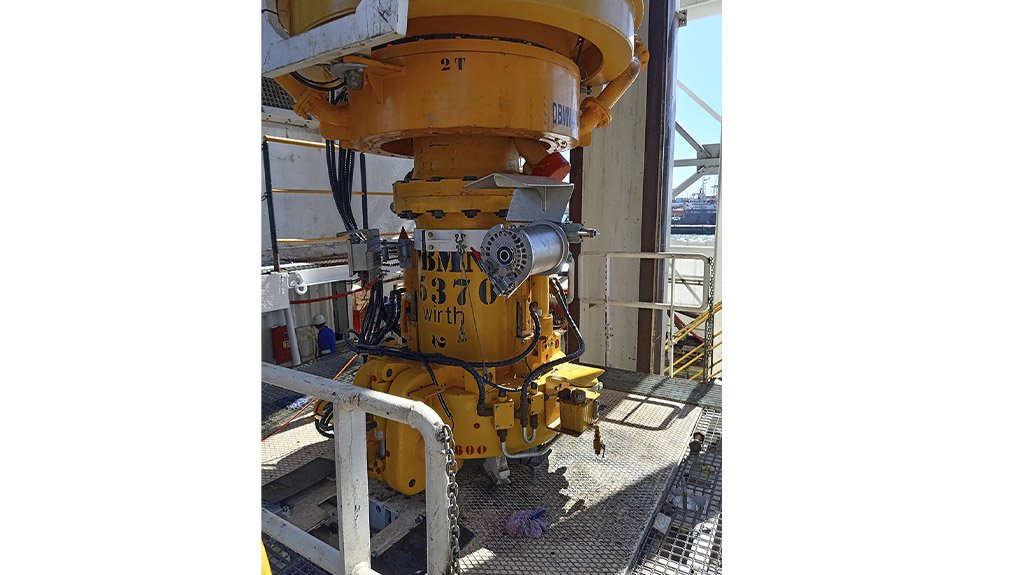
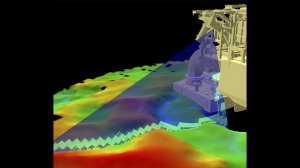
A robust visualisation system provides real-time mining information for efficient sub-sea operations in the harsh Atlantic environment where normal human sensing is not possible.
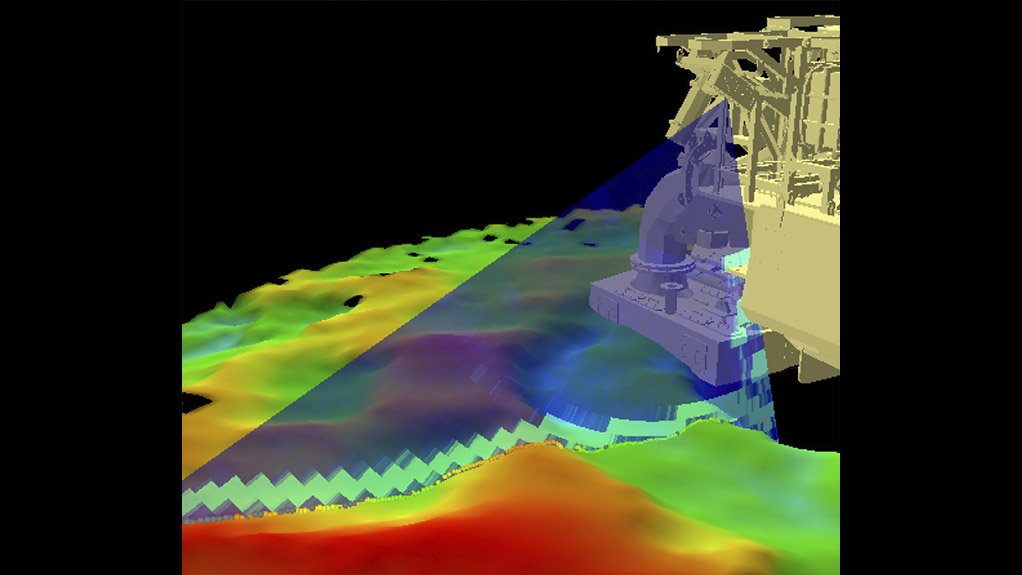
In environments where visibility is so limited that a camera is ineffective, the strategic application of sonar and positional sensors allow operators to perceive ongoing activity and obtain accurate measurements of tool interactions.


In the race toward smarter, safer and more efficient mines, one technology often sits quietly in the background: sensors. For De Beers’ Upstream Technology, sensors are not just part of the system; they are the foundation on which automation, digitalisation and modern mine design are built.
Upstream Technology was formed in 2024 following the amalgamation of De Beers Marine and Ignite. The aim was to ensure a fully integrated end-to-end system for upstream operations.
Michael Curtis, Head of Upstream Technology, is unequivocal about the importance of sensors. “Sensor technology is the foundational building block of any automation. Your sensors need to be working reliably and accurately before you can automate anything. If your sensors fail, your automation fails.”
According to Curtis, this explains why so many early automation projects in mining under-delivered. “Previously, companies invested heavily in software and control systems, but the underlying sensing layer was unreliable. When the inputs are wrong or unstable, every automated decision based on them becomes suspect,” he states.
Upstream Technology’s philosophy is to first get the sensing right and build automation on top of that. Only after those two layers are stable does it make sense to add advanced analytics or artificial intelligence.
Nowadays, sensors touch almost every aspect of upstream diamond mining. In processing plants, they measure flows, levels, pressures and densities to keep circuits within tight operating windows. On equipment, they monitor temperatures, vibrations and loads to support predictive maintenance and avoid catastrophic failures.
One example of where sensor technology has optimised operations is crawler mining on the seabed. Curtis explains: “Crawler mining offshore used to be very manual. There used to be two pilots on the surface, operating joysticks. It required continuous human effort to control heading and mining rate.
Today, that same machine is sensor-driven and largely automated. Here, sensors track position, heading, depth and machine health, allowing the system to run largely on autopilot. This has resulted in significant improvements in mining rate and significant improvements in recovery efficiency because its headings are right.
Sensors are equally important for safety in underground operations. Upstream Technology is deploying LiDAR and laser scanning to tackle fall-of-ground risk by mapping roof support and verifying that each bolt is correctly installed. Instead of putting people close to the hazard to inspect support, sensors do the seeing.
People and tech go hand-in-hand
Despite the progress Upstream Technology has made in automation and digitalisation, Curtis emphasises that technology is never enough on its own. “Technology doesn’t work without the right culture. If people bypass systems, the technology won’t work. If people don’t pay attention to systems, the intent of the system fails and it puts them at risk.”
He points out that sensors provide the eyes and ears of the modern mine. They enable automation, inform management decisions and improve safety. However, they must be paired with training and a strong safety culture to deliver their full value.
As mining moves toward compact, connected, low-carbon operations, one principle from Upstream Technology stands out: get the sensing right first - everything else depends on it.
Article Enquiry
Email Article
Save Article
Feedback
To advertise email advertising@creamermedia.co.za or click here
Research Reports

Projects

Latest Multimedia

Latest News
Showroom

Columbus Stainless, based in Middelburg, Mpumalanga, is Africa’s only producer of stainless steel flat products. In addition, Columbus is the only...
VISIT SHOWROOM
The Steel Tube Export Association of South Africa was established to develop sustainable, internationally competitive carbon steel tube and pipe...
VISIT SHOWROOM



Announcements
What's On
Subscribe to improve your user experience...
Option 1 (equivalent of R125 a month):
Receive a weekly copy of Creamer Media's Engineering News & Mining Weekly magazine
(print copy for those in South Africa and e-magazine for those outside of South Africa)
Receive daily email newsletters
Access to full search results
Access archive of magazine back copies
Access to Projects in Progress
Access to ONE Research Report of your choice in PDF format
Option 2 (equivalent of R375 a month):
All benefits from Option 1
PLUS
Access to Creamer Media's Research Channel Africa for ALL Research Reports, in PDF format, on various industrial and mining sectors
including Electricity; Water; Energy Transition; Hydrogen; Roads, Rail and Ports; Coal; Gold; Platinum; Battery Metals; etc.
Already a subscriber?
Forgotten your password?
Receive weekly copy of Creamer Media's Engineering News & Mining Weekly magazine (print copy for those in South Africa and e-magazine for those outside of South Africa)
➕
Recieve daily email newsletters
➕
Access to full search results
➕
Access archive of magazine back copies
➕
Access to Projects in Progress
➕
Access to ONE Research Report of your choice in PDF format
RESEARCH CHANNEL AFRICA
R4500 (equivalent of R375 a month)
SUBSCRIBEAll benefits from Option 1
➕
Access to Creamer Media's Research Channel Africa for ALL Research Reports on various industrial and mining sectors, in PDF format, including on:
Electricity
➕
Water
➕
Energy Transition
➕
Hydrogen
➕
Roads, Rail and Ports
➕
Coal
➕
Gold
➕
Platinum
➕
Battery Metals
➕
etc.
Receive all benefits from Option 1 or Option 2 delivered to numerous people at your company
➕
Multiple User names and Passwords for simultaneous log-ins
➕
Intranet integration access to all in your organisation