S Africa positioned as potential hydrogen hub – energy company

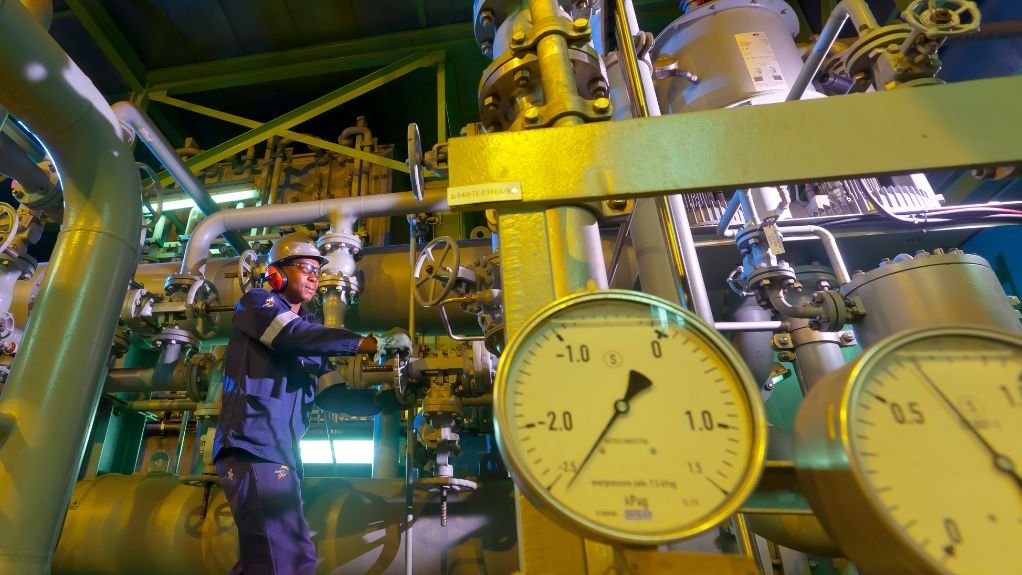
ENERGY SECURITY In the long term, hydrogen could be critical to energy security, which, in turn, can develop and support industrial resilience, meaning that hydrogen has the potential to reindustrialise certain elements of South Africa’s economy
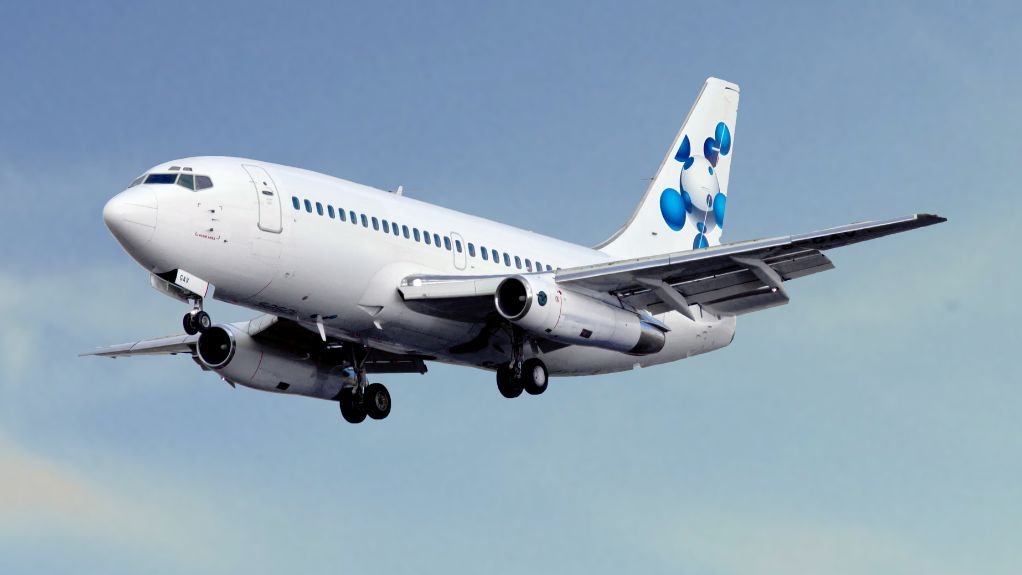
SUSTAINABLE FUEL With aviation being considered a hard-to-abate sector, sustainable aviation fuel is instrumental in the longer term. Unlike other sectors that are easier to electrify, large aircraft will require liquid fuels for the foreseeable future




Hydrogen is potentially a key factor in developing energy resilience and energy security, and South Africa is ideally positioned to be, over time, a hub for green hydrogen production owing to its renewable-energy resources, says chemicals and energy company Sasol asset transformation VP Vimal Bhimsan.
“Hydrogen, in the long term, could be critical to energy security, which, in turn, can develop and support industrial resilience, meaning that hydrogen has the potential to reindustrialise certain elements of our economy.
“However, there are key stepping stones to reach this outcome. One of the first of these is renewable energy. In this regard, South Africa can build giga-scale no-regret renewable energy that can power our economy cleaner and cheaper, and at the scale at which South Africa can do that we can use those electrons, when economically feasible, to make fuels from hydrogen. Green hydrogen – and the things we make from it – are part of how South Africa becomes an industrial electro-state.”
Bhimsan notes that this industrial resilience and reindustrialisation would help to create social and economic benefits for communities, while hydrogen production would strengthen areas that are not directly linked to large-scale economic activity, such as the Northern Cape, which has an abundance of renewable-energy sources but minimal economic activity.
Consequently, Sasol has been working with the South African government to advocate for policies that increase collaboration with the EU – one of the major demand centres for hydrogen products, including sustainable aviation fuel (SAF) and green ammonia.
“We have been advocating quite strongly, alongside our government partners, for policy dispensations that will allow us to deploy hydrogen at scale for export into the EU,” Bhimsan explains.
These policies relate to two key areas. The first being certification- and regulatory compliance-related matters, ensuring that the global standards set by the markets South Africa intends to export to are fair and efficient to comply with.
The second is “flexible allocation”, which allows a company to co-process low carbon feedstocks alongside fossil feedstocks, allowing South Africa to transition in a just and fair way and being able to supply low-carbon products into markets where there is a demand, as opposed to being excluded from international markets owing to the significant investment that would be required to only produce low-carbon products.
This would allow a company to produce low-carbon products for the export market, as well as fossil fuel-based products for the local market or for further processing, among others.
“This flexible allocation dispensation states that green inputs can be allocated to those specific products we’ve been advocating for with our EU counterparts.”
Meanwhile, Sasol is generally aligned with its government partners, specifically the departments of Trade, Industry and Competition and Science, Technology and Innovation (DSTI), regarding the hydrogen strategy and how hydrogen can be deployed in South Africa.
One of the key engagements Sasol has with the DSTI is Sasol’s role as an industrial partner for the Hydrogen Society Roadmap – a strategic framework adopted by government to guide the transition toward a green hydrogen economy – through which it aids in the development of an enabling environment, says Sasol integration and early engineering senior manager Alex Vogel.
Hydrogen Mobility
After showcasing the use case of hydrogen mobility at the B20 South Africa Summit in 2025, Sasol and key partners have begun to look at developing and designing a South African solution that will help the mining fraternity with decarbonising operations, says Sasol low-carbon energy products principal market development manager Dries Swanepoel.
“We see this as a stepping stone in the decarbonisation journey as it creates the opportunity for mining companies to continue to use their existing fleets, but once they reach their end of life, rather than replacing them, companies can just repurpose them and in doing so realise a substantial reduction in emissions,” Swanepoel explains.
Sasol has identified very large commercial vehicles, such as mining vehicles, as a potential application area for hybrid technology deployment, Bhimsan notes.
Aviation is considered a hard-to-abate sector, which is why SAF is instrumental in the longer term. Bhimsan adds that, unlike other sectors that are easier to electrify, large aircraft will require liquid fuels for the foreseeable future.
Sasol’s unique technological position, owing to its Fischer-Tropsch technology being “ideal” for eSAF production at scale, underscores Sasol’s “unique value proposition” in this market and it is hence prioritising this locally and internationally in partnership with others.
“Sasol is working very closely with its partners, including academic institutions and government, to be ready to assist with and deploy hydrogen solutions when it is commercially feasible to do so,” Vogel concludes.
Article Enquiry
Email Article
Save Article
Feedback
To advertise email advertising@creamermedia.co.za or click here
Research Reports

Projects


Latest Multimedia

Latest News

Showroom


Supplier & Distributor of the Widest Range of Accurate & Easy-to-Use Alcohol Breathalysers
VISIT SHOWROOM

Announcements
What's On
Subscribe to improve your user experience...
Option 1 (equivalent of R125 a month):
Receive a weekly copy of Creamer Media's Engineering News & Mining Weekly magazine
(print copy for those in South Africa and e-magazine for those outside of South Africa)
Receive daily email newsletters
Access to full search results
Access archive of magazine back copies
Access to Projects in Progress
Access to ONE Research Report of your choice in PDF format
Option 2 (equivalent of R375 a month):
All benefits from Option 1
PLUS
Access to Creamer Media's Research Channel Africa for ALL Research Reports, in PDF format, on various industrial and mining sectors
including Electricity; Water; Energy Transition; Hydrogen; Roads, Rail and Ports; Coal; Gold; Platinum; Battery Metals; etc.
Already a subscriber?
Forgotten your password?
Receive weekly copy of Creamer Media's Engineering News & Mining Weekly magazine (print copy for those in South Africa and e-magazine for those outside of South Africa)
➕
Recieve daily email newsletters
➕
Access to full search results
➕
Access archive of magazine back copies
➕
Access to Projects in Progress
➕
Access to ONE Research Report of your choice in PDF format
RESEARCH CHANNEL AFRICA
R4500 (equivalent of R375 a month)
SUBSCRIBEAll benefits from Option 1
➕
Access to Creamer Media's Research Channel Africa for ALL Research Reports on various industrial and mining sectors, in PDF format, including on:
Electricity
➕
Water
➕
Energy Transition
➕
Hydrogen
➕
Roads, Rail and Ports
➕
Coal
➕
Gold
➕
Platinum
➕
Battery Metals
➕
etc.
Receive all benefits from Option 1 or Option 2 delivered to numerous people at your company
➕
Multiple User names and Passwords for simultaneous log-ins
➕
Intranet integration access to all in your organisation