Our power, Our planet: Why South Africa’s e-waste future depends on radical accountability




This article has been supplied.
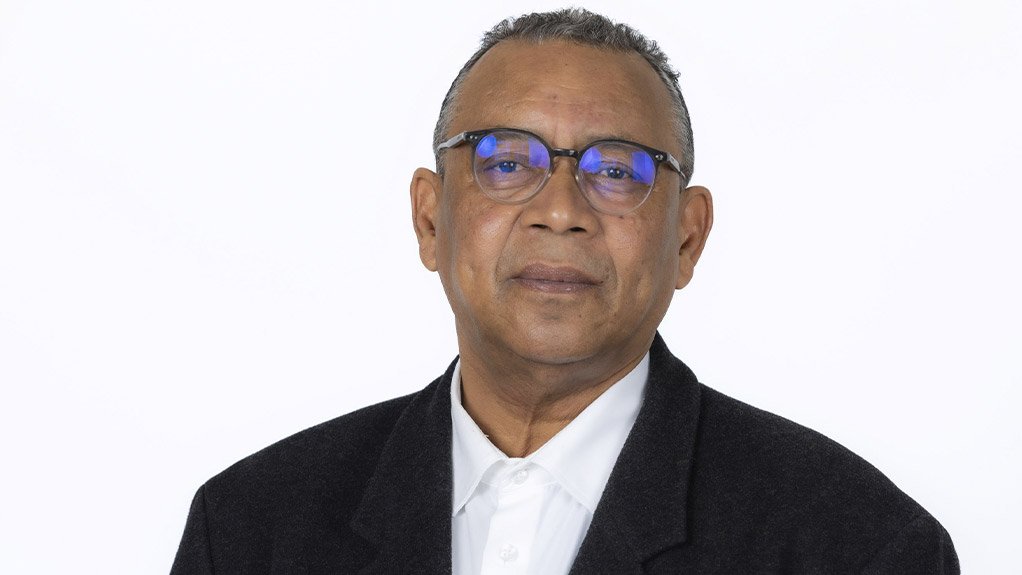
By Ashley du Plooy – CEO of ERA NPC
As we approach 22 April, the global community prepares to mark Earth Day 2026 under the timely theme: "Our Power, Our Planet." For those of us working within environmental management, these words are more than a slogan. They represent a direct challenge to the systems of production and governance that define our modern lives.
In South Africa, "power" is often a word associated with crisis. However, in the context of our planet’s health, power refers to our collective agency; it is the ability of government, industry, and citizens to shift from a "take-make-dispose" culture toward a truly circular economy. Nowhere is this shift more urgent than in the management of electronic waste (e-waste).
Reflecting on the journey since the ERA (Electronic Waste Recycling Authority) began as a steering committee in 2014, and its subsequent transition to an Extended Producer Responsibility (EPR) Scheme in 2021, I feel a profound sense of accomplishment. In 2025, we saw a maturation of the EPR model that many sceptics once thought impossible in the local context.
We reached 115% of our collection and recycling targets for Waste Electrical and Electronic Equipment (WEEE) and lighting. Even more significantly, we achieved a WEEE landfill rate of just 0.27%, which brings us incredibly close to our goal of zero waste to landfill.
However, these milestones, while celebrating the pioneers who have stepped up, also highlight a widening gap that we can no longer ignore. If we are to honour the theme of "Our Power," we must speak frankly about where the burden currently lies and where it must be shared.
To the Producers: Compliance is Not a Choice, It’s a Duty
We currently have over 100 producer members who have embraced their responsibility. They are the pioneers, proving that high collection rates and 100% recycling of batteries and lighting are achievable. But for every compliant producer, many others continue to operate on the fringes. These companies reap the benefits of the South African market without contributing to the clean-up of the waste they create.
This "free riding" creates an unfair cost burden on compliant businesses and stifles the economies of scale that would make recycling even more efficient. To the producers still on the sidelines, the era of voluntary concern is over. EPR is a legal and moral imperative. Using your power means designing products for longevity and ensuring that when they reach their end-of-life, they do not become a toxic legacy for the next generation.
To the Government: Enforcement is the Engine of Change
The Department of Forestry, Fisheries, and the Environment has laid the legislative groundwork for EPR, and for that, they must be commended. But a law without rigorous enforcement is merely a suggestion.
To truly protect "Our Planet," the government must ensure a level playing field. We need robust monitoring to ensure that no producer escapes their obligations. Furthermore, we must continue to integrate the informal collection sector into the formal value chain.
In 2025, we saw firsthand how e-waste management provides a crucial social dividend by creating livelihoods and dignity for those who have long been the backbone of waste recovery in our streets. Government support in formalising these roles is essential for a Just Transition to a green economy.
The Social Dividend
The circular economy is not just about keeping lead and mercury out of our groundwater; it is about people. By diverting waste from landfills, we are recovering tonnes of valuable resources, such as gold, copper, and rare earth minerals, that can fuel new industries. This is where South Africa’s power lies: in the intersection of environmental health and economic opportunity.
A Collective Mandate
As we celebrate Earth Day 2026, let us move beyond the rhetoric of "awareness." We are well aware of the problem. What we need now is the courageous application of our collective power.
For the producers, this means total transparency and commitment to the full lifecycle of your products. For the government, it means unwavering enforcement and support for circular infrastructure. And for the consumer, it means demanding that the brands you support are members of an accredited EPR scheme.
The results of 2025 show us that the model works. We have the systems, the multi-skilled staff, and the service provider networks ready to scale. Now, we need the political and corporate will to match. This is our power. This is our planet. Let us act like we intend to keep it.
Article Enquiry
Email Article
Save Article
Feedback
To advertise email advertising@creamermedia.co.za or click here
Research Reports

Projects
Latest Multimedia

Latest News

Showroom
Sika South Africa is a trusted partner for the nation’s infrastructure, commercial, residential, and industrial sectors.
VISIT SHOWROOM
Sulzer South Africa, established in 1922, partners with critical industries like power, oil & gas, water, mining, and chemicals to boost...
VISIT SHOWROOM
Announcements
What's On
Subscribe to improve your user experience...
Option 1 (equivalent of R125 a month):
Receive a weekly copy of Creamer Media's Engineering News & Mining Weekly magazine
(print copy for those in South Africa and e-magazine for those outside of South Africa)
Receive daily email newsletters
Access to full search results
Access archive of magazine back copies
Access to Projects in Progress
Access to ONE Research Report of your choice in PDF format
Option 2 (equivalent of R375 a month):
All benefits from Option 1
PLUS
Access to Creamer Media's Research Channel Africa for ALL Research Reports, in PDF format, on various industrial and mining sectors
including Electricity; Water; Energy Transition; Hydrogen; Roads, Rail and Ports; Coal; Gold; Platinum; Battery Metals; etc.
Already a subscriber?
Forgotten your password?
Receive weekly copy of Creamer Media's Engineering News & Mining Weekly magazine (print copy for those in South Africa and e-magazine for those outside of South Africa)
➕
Recieve daily email newsletters
➕
Access to full search results
➕
Access archive of magazine back copies
➕
Access to Projects in Progress
➕
Access to ONE Research Report of your choice in PDF format
RESEARCH CHANNEL AFRICA
R4500 (equivalent of R375 a month)
SUBSCRIBEAll benefits from Option 1
➕
Access to Creamer Media's Research Channel Africa for ALL Research Reports on various industrial and mining sectors, in PDF format, including on:
Electricity
➕
Water
➕
Energy Transition
➕
Hydrogen
➕
Roads, Rail and Ports
➕
Coal
➕
Gold
➕
Platinum
➕
Battery Metals
➕
etc.
Receive all benefits from Option 1 or Option 2 delivered to numerous people at your company
➕
Multiple User names and Passwords for simultaneous log-ins
➕
Intranet integration access to all in your organisation