Opinion: The Story of Johannesburg is the story of local government in South Africa

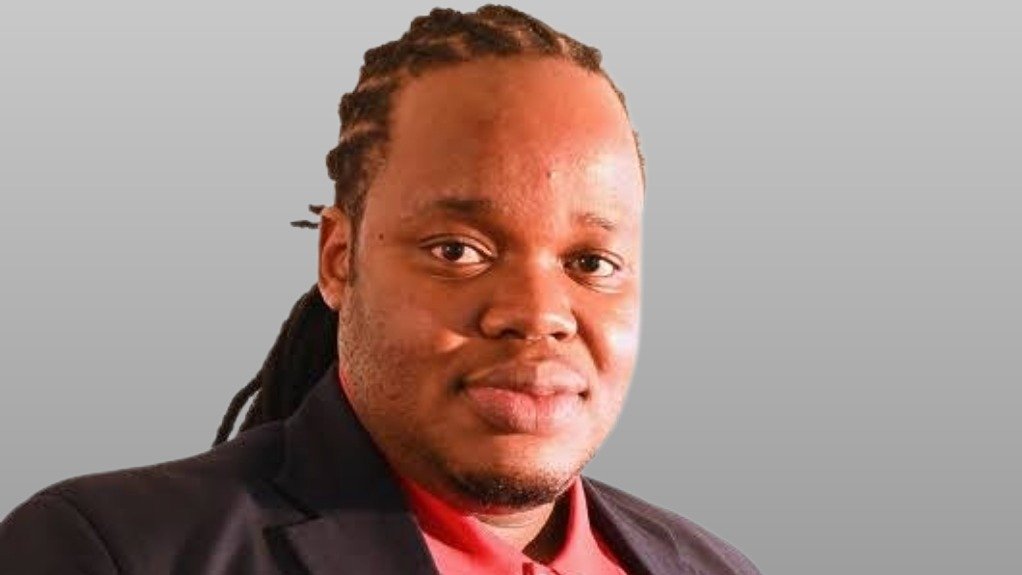



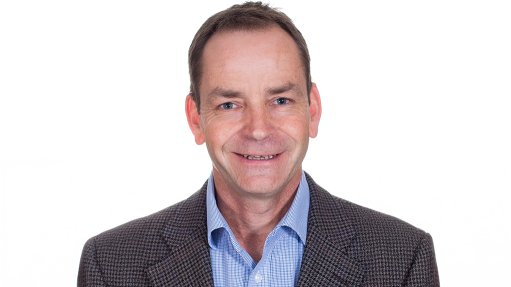
In this article, City of Johannesburg group CFO Tebogo Moraka writes that the challenges facing the city are, in many respects, reflections of broader national realities and that the solutions required will demand collective action from all spheres of government, the private sector, communities and organised civil society.
In any thriving democracy, a robust and independent media is indispensable. The ability to inform citizens, facilitate public debate and hold government accountable is a hard-won democratic achievement that South Africans must continue to protect and strengthen. As the Fourth Estate, the media plays a vital role in ensuring transparency and accountability. Equally important, however, is the responsibility to present issues fairly, accurately and within their full context.
Recent reporting on the City of Johannesburg's finances, infrastructure challenges and service delivery concerns has generated significant public debate. While scrutiny of government performance is both necessary and welcome, it is important that Johannesburg's challenges are understood within the broader realities confronting local government across South Africa.
The prevailing narrative often portrays Johannesburg as an isolated case of municipal dysfunction. Yet the evidence points to a much larger national challenge. Municipalities across the country are grappling with financial pressures, declining revenue collection, ageing infrastructure, rising bulk service costs and increasing demand for services from communities facing their own economic hardships.
According to national government statistics, more than 60% of South Africa's municipalities are experiencing varying degrees of financial distress. This reality reflects broader economic conditions affecting households, businesses and communities nationwide. As of December 2025, municipal consumer debt across South Africa stood at about R467-billion, with households accounting for more than 70% of the outstanding amount. These are not challenges unique to Johannesburg; they are systemic issues confronting local government as a whole.
Johannesburg, as the country's economic hub and largest metropolitan municipality, faces the added responsibility of maintaining extensive infrastructure networks while accommodating continued urbanisation and population growth. The demands placed on the city are immense and continue to increase annually.
It is also important to place current debates around municipal tariffs and charges in context. Municipalities rely heavily on service charges and property rates to fund the delivery of essential services such as water, sanitation, electricity, roads, waste management, and public infrastructure. These services must be maintained, upgraded, and expanded despite increasing input costs.
Comparative data from major metropolitan municipalities demonstrates that many of the tariff adjustments being implemented are not unique to Johannesburg. Across South Africa's metros, municipalities are adjusting their pricing structures to respond to rising bulk water and electricity costs, infrastructure investment requirements and financial sustainability concerns. The debate should therefore focus not only on the tariffs themselves, but also on the broader question of how local government can be sustainably funded to meet its constitutional obligations.
The South African Local Government Association (Salga) has consistently highlighted the structural challenges facing municipalities. In its engagements with Parliament, Salga has argued that local government remains constrained by an outdated fiscal framework that does not adequately reflect the growing responsibilities placed on municipalities. Escalating bulk service costs, unfunded mandates and infrastructure renewal requirements continue to place significant strain on municipal finances.
Salga estimates that municipalities collectively face an infrastructure renewal and maintenance backlog exceeding R1.5-trillion. This challenge affects municipalities of all sizes and underscores the need for a national conversation about the future sustainability of local government.
Encouragingly, government has recognised the need for reform. The publication of the Reviewed Draft White Paper on Local Government by the Cooperative Governance and Traditional Affairs Minister Velenkosini Hlabisa, signals an important opportunity to reimagine and strengthen the local government system. The review seeks to address many of the structural issues that municipalities have grappled with for years and could help shape a more sustainable and effective model of municipal governance for the future.
The story of Johannesburg cannot be separated from the story of local government in South Africa. The challenges facing the city are, in many respects, reflections of broader national realities. Equally, the solutions required will demand collective action from all spheres of government, the private sector, communities and organised civil society.
South Africans deserve a comprehensive understanding of these realities. Public debate is strongest when it is informed by context, evidence and a recognition of the systemic factors shaping municipal performance. Johannesburg's story is not simply a municipal story; it is part of the broader South African story of local government reform, resilience and renewal.
Article Enquiry
Email Article
Save Article
Feedback
To advertise email advertising@creamermedia.co.za or click here
Projects

Latest Multimedia
Latest News

Showroom
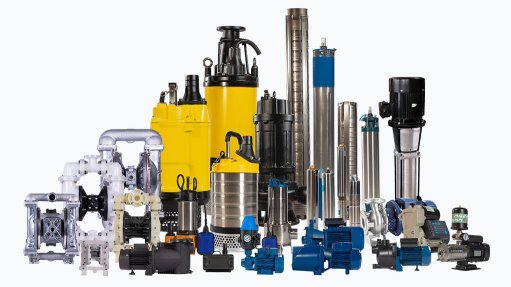
AxFlow AQS Liquid Transfer (Pty) Ltd is an Importer and Distributor of Pumps in Southern Africa
VISIT SHOWROOM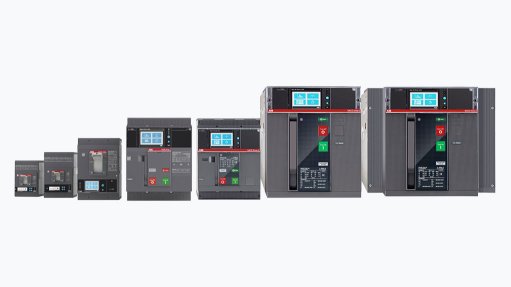
Electrifying the world in a safe, smart, and sustainable way, ABB Electrification is a global technology leader in electrical distribution and...
VISIT SHOWROOM
Press Office
Announcements
What's On
Subscribe to improve your user experience...
Option 1 (equivalent of R125 a month):
Receive a weekly copy of Creamer Media's Engineering News & Mining Weekly magazine
(print copy for those in South Africa and e-magazine for those outside of South Africa)
Receive daily email newsletters
Access to full search results
Access archive of magazine back copies
Access to Projects in Progress
Access to ONE Research Report of your choice in PDF format
Option 2 (equivalent of R375 a month):
All benefits from Option 1
PLUS
Access to Creamer Media's Research Channel Africa for ALL Research Reports, in PDF format, on various industrial and mining sectors
including Electricity; Water; Energy Transition; Hydrogen; Roads, Rail and Ports; Coal; Gold; Platinum; Battery Metals; etc.
Already a subscriber?
Forgotten your password?
Receive weekly copy of Creamer Media's Engineering News & Mining Weekly magazine (print copy for those in South Africa and e-magazine for those outside of South Africa)
➕
Recieve daily email newsletters
➕
Access to full search results
➕
Access archive of magazine back copies
➕
Access to Projects in Progress
➕
Access to ONE Research Report of your choice in PDF format
RESEARCH CHANNEL AFRICA
R4500 (equivalent of R375 a month)
SUBSCRIBEAll benefits from Option 1
➕
Access to Creamer Media's Research Channel Africa for ALL Research Reports on various industrial and mining sectors, in PDF format, including on:
Electricity
➕
Water
➕
Energy Transition
➕
Hydrogen
➕
Roads, Rail and Ports
➕
Coal
➕
Gold
➕
Platinum
➕
Battery Metals
➕
etc.
Receive all benefits from Option 1 or Option 2 delivered to numerous people at your company
➕
Multiple User names and Passwords for simultaneous log-ins
➕
Intranet integration access to all in your organisation