Integrated fire and access control systems are becoming critical infrastructure in modern developments





This article has been supplied.
Modern commercial buildings are becoming increasingly intelligent, connected, and automated. Yet despite advances in building management systems, surveillance, and access control, many developments still rely on fragmented life safety infrastructure where fire detection and access control systems operate independently. That separation creates growing operational and safety risks.
In large commercial developments, mixed-use precincts, campuses, healthcare environments, logistics facilities, and industrial sites, emergency response depends on systems working together seamlessly. When life safety technologies operate in isolation, delays, conflicting actions, and human error become more likely precisely when rapid, coordinated response matters most.
The challenge is no longer simply installing compliant systems. It is designing integrated environments where fire detection, access control, evacuation logic, and operational management support one another under real-world emergency conditions.
Why siloed life safety systems still exist
Despite the clear benefits of integration, many buildings still operate with disconnected fire and access control infrastructure.
A major reason is lifecycle mismatch. Fire detection systems are often designed to remain in place for 15 to 30 years, while access control technologies evolve far more rapidly. Over time, buildings accumulate systems from multiple vendors, operating across different protocols and generations of infrastructure.
This creates complexity around interoperability, integration costs, and operational ownership. The result is that many organisations continue to manage life safety systems independently, even though the building itself operates as a single environment.
The operational risks of disconnected systems
When systems are not integrated, emergency response can become fragmented and unpredictable. Access-controlled doors may remain locked during evacuation events. Operators may need to manually override systems during high-pressure situations. Monitoring teams may receive incomplete or conflicting information from different platforms. In large buildings, these delays can significantly affect evacuation speed and overall occupant safety.
Integrated systems reduce these risks by enabling coordinated automated responses across the building environment.
When fire systems trigger intelligent building response
One of the most important aspects of integration is fire-triggered access control logic. During normal operation, access control systems enforce security policies by restricting movement between areas. During a fire event, however, priorities shift immediately from security enforcement to safe evacuation.
Properly designed automated door release systems help prevent congestion, reduce confusion, and ensure occupants can exit safely even during power failures or partial system faults. Achieving this balance between security and life safety requires careful engineering. Fail-safe operation must always take priority.
Access credentials are becoming operational infrastructure
Traditional access cards are increasingly being replaced by encrypted credentials, mobile identities, and centrally managed platforms that allow organisations to control access rights dynamically across multiple buildings and user groups.
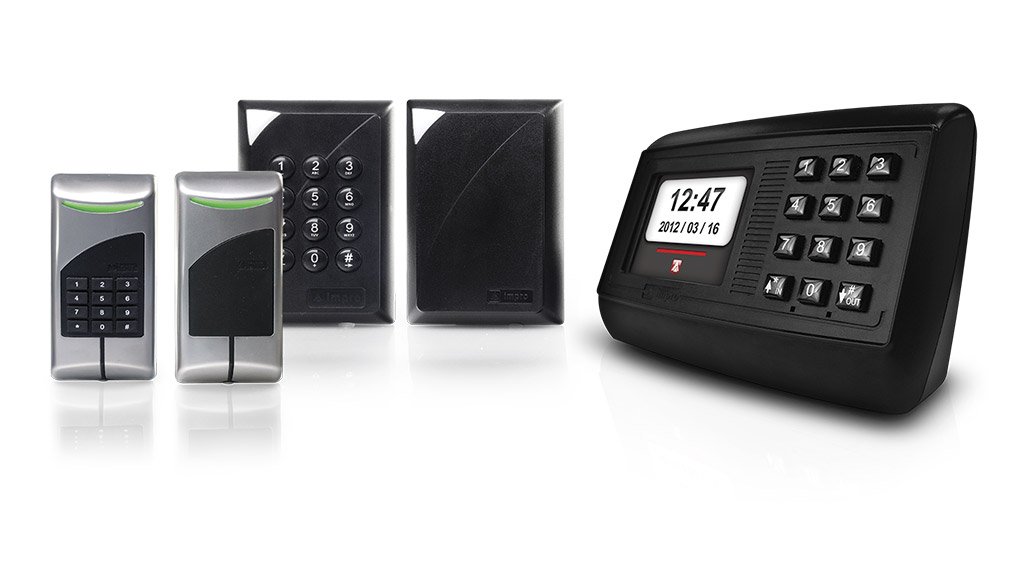
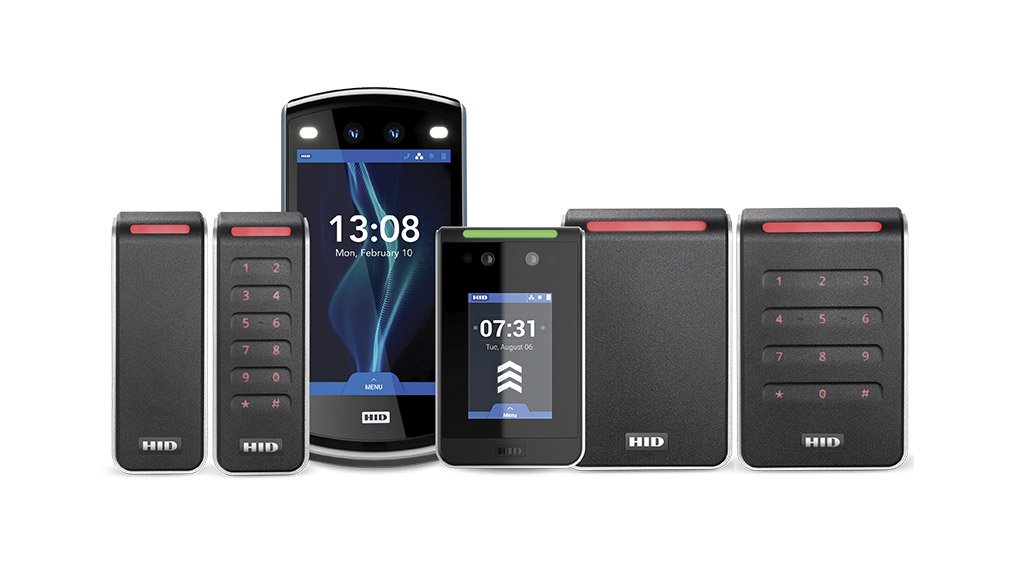
Platforms such as HID and Impro support scalable, centrally managed access control environments that can expand without disrupting existing infrastructure.
This becomes particularly important in commercial campuses, healthcare environments, and multi-tenant facilities where large volumes of users, contractors, and visitors require constantly changing access permissions.
Compliance alone is no longer enough
Regulatory compliance remains essential, but compliance alone does not guarantee effective emergency response.
Fire alarms, door releases, evacuation routes, signage, lift control, and operator workflows must all function together in a coordinated manner. Without that alignment, even technically compliant systems can create confusion and delays during emergencies.
As buildings become smarter and more connected, integrated life safety systems are shifting from optional enhancements to foundational infrastructure.
The future of commercial building design will depend not simply on adding more technology, but on ensuring that systems work together intelligently when it matters most.
Article Enquiry
Email Article
Save Article
Feedback
To advertise email advertising@creamermedia.co.za or click here
Research Reports

Projects

Latest Multimedia

Latest News

Showroom

Sweet-Orr, established in 1871, is a global leader in superior protective workwear, known for quality, innovation, and performance.
VISIT SHOWROOM
Your global lifecycle technology & service partner for materials & minerals processing equipment for coal, iron ore, copper, manganese & other...
VISIT SHOWROOM


Press Office
Announcements
What's On
Subscribe to improve your user experience...
Option 1 (equivalent of R125 a month):
Receive a weekly copy of Creamer Media's Engineering News & Mining Weekly magazine
(print copy for those in South Africa and e-magazine for those outside of South Africa)
Receive daily email newsletters
Access to full search results
Access archive of magazine back copies
Access to Projects in Progress
Access to ONE Research Report of your choice in PDF format
Option 2 (equivalent of R375 a month):
All benefits from Option 1
PLUS
Access to Creamer Media's Research Channel Africa for ALL Research Reports, in PDF format, on various industrial and mining sectors
including Electricity; Water; Energy Transition; Hydrogen; Roads, Rail and Ports; Coal; Gold; Platinum; Battery Metals; etc.
Already a subscriber?
Forgotten your password?
Receive weekly copy of Creamer Media's Engineering News & Mining Weekly magazine (print copy for those in South Africa and e-magazine for those outside of South Africa)
➕
Recieve daily email newsletters
➕
Access to full search results
➕
Access archive of magazine back copies
➕
Access to Projects in Progress
➕
Access to ONE Research Report of your choice in PDF format
RESEARCH CHANNEL AFRICA
R4500 (equivalent of R375 a month)
SUBSCRIBEAll benefits from Option 1
➕
Access to Creamer Media's Research Channel Africa for ALL Research Reports on various industrial and mining sectors, in PDF format, including on:
Electricity
➕
Water
➕
Energy Transition
➕
Hydrogen
➕
Roads, Rail and Ports
➕
Coal
➕
Gold
➕
Platinum
➕
Battery Metals
➕
etc.
Receive all benefits from Option 1 or Option 2 delivered to numerous people at your company
➕
Multiple User names and Passwords for simultaneous log-ins
➕
Intranet integration access to all in your organisation