Global events stymying local growth

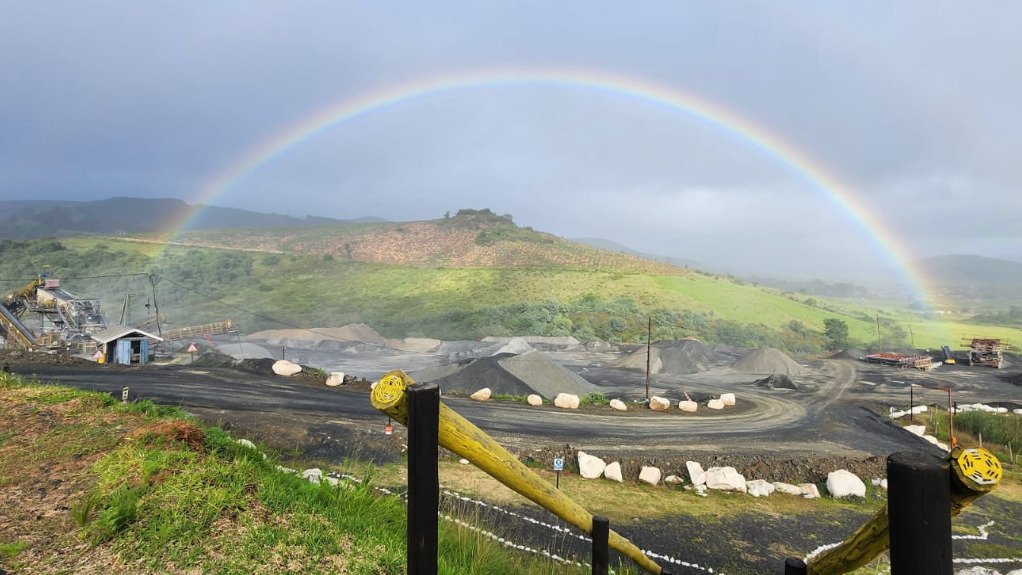
UNCERTAIN FUTURE Despite strong momentum in South Africa’s surface mining and quarrying sector during the second half of 2025, escalating global geopolitical tensions have slowed growth and created renewed uncertainty across the industry
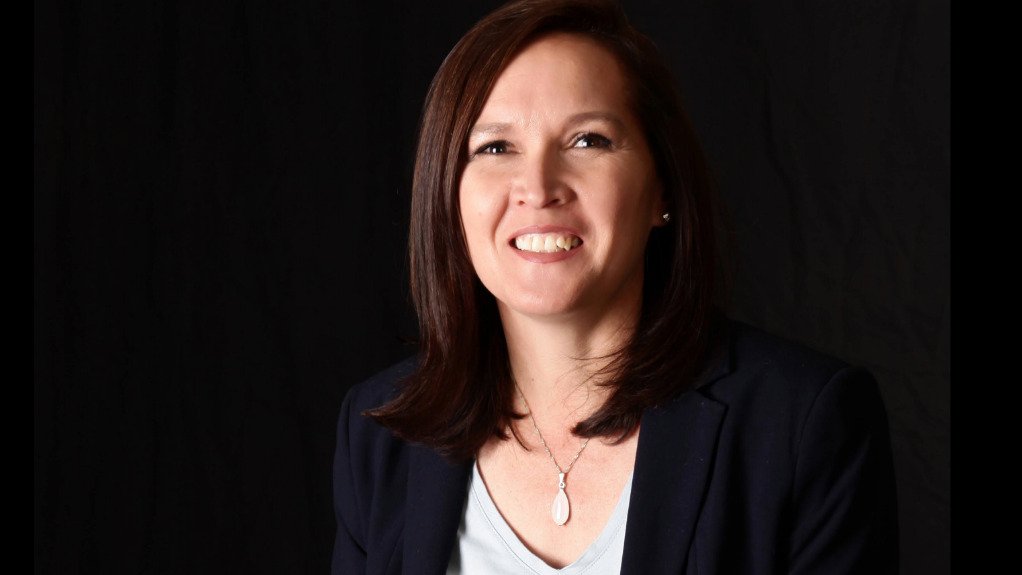
LETISHA VAN DEN BERG Aspasa regularly participates in discussions regarding the sector through the Mine Health and Safety Council



Following positive developments in South Africa’s surface mining and quarrying sector from mid-2025 to year-end, recent international geopolitical turmoil has stymied any further growth in the sector for the year to date, says small surface mine association Aspasa director Letisha van den Berg.
She says this year’s ever-changing business landscape makes budgeting a “nightmare and forward planning almost impossible”.
As a result, surface mining and quarrying production volumes for the construction materials supply chain have dropped, owing to infrastructure and construction jobs slowing or ceasing, as a result of high diesel prices and ongoing conflict in the northern hemisphere.
“There is no way” of diluting the current high cost of diesel in the surface mining, quarrying and construction sector, with the downstream supply chain having to increase costs, which customers have to absorb.
“The diesel price causes a vicious cycle of price increases across all sectors,” adds Van den Berg.
Further challenges include climate change after the recent La Niña weather cycle and the consequent flooding in many South African regions.
These impacts have resulted in water-induced destruction of some surface-based equipment and infrastructure, while current stormwater control was not designed for multiple flash floods and the higher volume of water in such short timeframes.
The construction sector is also currently under strain, with some mines retrenching workers and mothballing operations, all of which have a serious negative effect on the livelihood of the people they employ, she elaborates.
Safety Blanket
Van den Berg tells Mining Weekly that organisations, such as Aspasa, argue that generic mining regulations – normally written for large, deep-level, capital-intensive mines – impose disproportionate burdens on small surface operations.
Small quarries, and sand and clay producers cannot afford the costly consultants and dedicated compliance staff that generic rules assume, creating a significant financial strain, she explains.
Much of South Africa’s mining legislation is tailored to underground hazards and, therefore, mismatches the risk profiles and operational realities of surface and opencast mines. The strict enforcement of these sweeping regulations often results in costly shutdowns.
Legitimate smaller mines must absorb high compliance costs; therefore, they struggle to compete with illegal, unregulated miners that undercut prices and pose severe safety and environmental risks to communities, says Van den Berg.
Fragmented and shifting policy environments – particularly the overlap and confusion between the Mine Health and Safety Act (MHSA) and the Occupational Health and Safety Act – further complicate compliance for surface operations.
To protect such companies’ viability, organisations such as Aspasa advocate for scaled, practical zero-harm safety rules, actively lobby regulators and provide members with independent, practical integrated safety, health and environmental audits to simplify legal compliance.
The surface mining and quarrying sector requires a clear definition of specifically- applicable mine health and safety regulations, and the consistent enforcement of standards for artisanal, small-scale, surface mines and quarries, she advises.
Without such measures, legitimate surface miners and quarry operators may be adversely affected by the loss of business to illegal mines.
Van den Berg adds that while mine health and safety regulations are imperative for worker welfare, the capital costs required for compliance create a distinct economic barrier, thereby disadvantaging legitimate small-scale miners relative to large-scale operations with greater financial resources.
Meanwhile, illegal sand mining poses significant environmental risks and can damage the reputation of the quarrying sector and, therefore, public trust in the areas where such mining is conducted, she highlights.
“Effective legislation should also focus on managing buyers, mandating that they purchase only from legal entities possessing valid mining permits, licences or prospecting rights,” elaborates Van den Berg.
Meeting Challenges
To address the issues faced by the surface mining and quarrying sector, Aspasa regularly participates in discussions regarding the sector through the Mine Health and Safety Council (MHSC) at board and working group levels.
It also engages in meetings once every six months with the Department of Mineral and Petroleum Resources chief inspector of mines to review industry successes and challenges.
“Our members are active in the MHSC regional tripartite forums to foster good relationships and collaboratively seek solutions.”
Aspasa is also involved in the Minerals Council South Africa’s Junior Exploration Leadership Forum, and the small scale miner-applicable Association Leadership Forum, where key focus areas are highlighted. Aspasa also participates in panel discussions at industry events, including the upcoming Junior Mining Indaba, to promote dialogue and best practices.
While progress is ongoing, the association recognises that setbacks do occur.
“We remain committed to supporting small surface mines and maintaining a positive influence within the industry,” she says, concluding that Aspasa advocates for transformation in the sector, emphasising that it should be approached constitutionally and with consideration of all regional demographics.
Article Enquiry
Email Article
Save Article
Feedback
To advertise email advertising@creamermedia.co.za or click here
Research Reports

Projects
Latest Multimedia

Latest News
Showroom
Columbus Stainless, based in Middelburg, Mpumalanga, is Africa’s only producer of stainless steel flat products. In addition, Columbus is the only...
VISIT SHOWROOM
Rooted in the hearts of South Africans, combining technology and a quest for perfection to bring you a battery of peerless standing. Willard...
VISIT SHOWROOM
Announcements
What's On
Subscribe to improve your user experience...
Option 1 (equivalent of R125 a month):
Receive a weekly copy of Creamer Media's Engineering News & Mining Weekly magazine
(print copy for those in South Africa and e-magazine for those outside of South Africa)
Receive daily email newsletters
Access to full search results
Access archive of magazine back copies
Access to Projects in Progress
Access to ONE Research Report of your choice in PDF format
Option 2 (equivalent of R375 a month):
All benefits from Option 1
PLUS
Access to Creamer Media's Research Channel Africa for ALL Research Reports, in PDF format, on various industrial and mining sectors
including Electricity; Water; Energy Transition; Hydrogen; Roads, Rail and Ports; Coal; Gold; Platinum; Battery Metals; etc.
Already a subscriber?
Forgotten your password?
Receive weekly copy of Creamer Media's Engineering News & Mining Weekly magazine (print copy for those in South Africa and e-magazine for those outside of South Africa)
➕
Recieve daily email newsletters
➕
Access to full search results
➕
Access archive of magazine back copies
➕
Access to Projects in Progress
➕
Access to ONE Research Report of your choice in PDF format
RESEARCH CHANNEL AFRICA
R4500 (equivalent of R375 a month)
SUBSCRIBEAll benefits from Option 1
➕
Access to Creamer Media's Research Channel Africa for ALL Research Reports on various industrial and mining sectors, in PDF format, including on:
Electricity
➕
Water
➕
Energy Transition
➕
Hydrogen
➕
Roads, Rail and Ports
➕
Coal
➕
Gold
➕
Platinum
➕
Battery Metals
➕
etc.
Receive all benefits from Option 1 or Option 2 delivered to numerous people at your company
➕
Multiple User names and Passwords for simultaneous log-ins
➕
Intranet integration access to all in your organisation