DFFE launches e‑waste collection and recycling pilot project in Cape Town

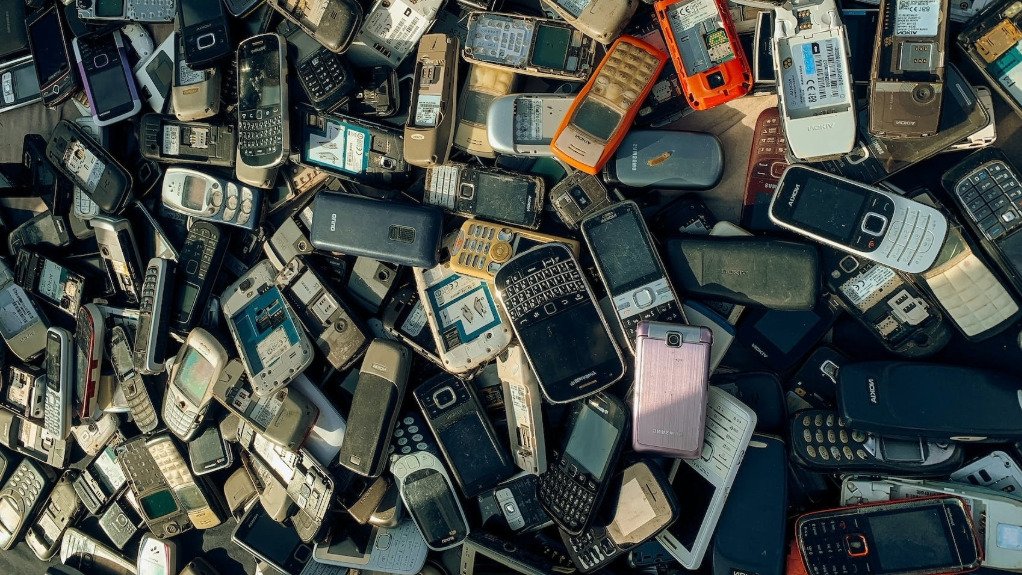



The Department of Forestry, Fisheries and the Environment (DFFE) has launched the 'E‑Waste Collection and Recycling Pilot Project' in Cape Town, which marks the eleventh e-waste drop-off and collection point since 2024.
In 2024, e-waste collection became part of South Africa’s legislated extended producer responsibility (EPR) to ensure collection and safe recycling of e-waste across the country.
Through the launches of these collection points, the producer responsibility organisations collected more than 108 t of e-waste and paid about R400 000 as incentives to communities.
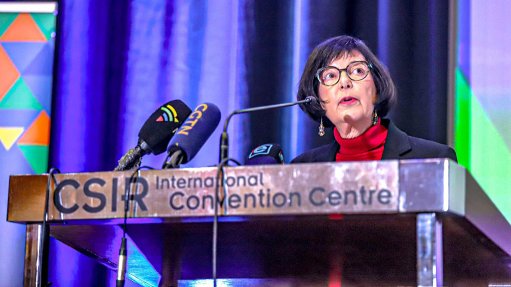
This is a clear demonstration of the success of this partnership and the gains to the environment as well as the communities, says Forestry, Fisheries and the Environment Deputy Minister Bernice Swarts.
“This initiative represents a practical and timely intervention to strengthen waste management, protect the environment and unlock local economic opportunities within our province.”
E-waste presents unique challenges owing to hazardous substances that the waste may contain, and the valuable resources that can be recovered through responsible recycling and disposal.
E‑waste is the fastest‑growing waste stream globally. The increasing use of electrical and electronic equipment has resulted in large volumes of discarded devices, many of which contain hazardous substances that pose serious risks to human health and the environment, if not managed correctly, she says.
South Africa generates more than 360 000 t/y of e‑waste, with only a small proportion formally recycled.
The prohibition of e‑waste disposal to landfill and the introduction of EPR regulations reflect government’s clear intent to divert this waste stream towards recovery, recycling and reuse, states Swarts.
In the Western Cape and Cape Town, waste management challenges are compounded by poor waste behaviours and inadequate access to waste services which result in littering, dumping and grime build-up in public spaces, limited infrastructure and waste minimisation initiatives, and low levels of public awareness around e‑waste recycling.
This pilot project responds directly to these challenges by establishing accessible collection systems while strengthening community participation and accountability.
Further, the accessibility of current drop-off facilities is insufficient, which results in prohibitive transport costs and limited access for residents and businesses, she points out.
There is also insufficient land available to develop additional drop-off facilities, owing to limited suitable land available and resistance from local communities.
Drop-off facilities provide convenience to residents, but they may also be perceived as undesirable by residents, she says.
“Community involvement will be critical to the success of this initiative. Through the provision of drop‑off or collection points, collaboration with local small, medium-sized and microenterprises and targeted awareness activities, we are working to embed responsible waste separation and recycling practices at household level.”
Additionally, this project creates opportunities for local economic development, says Swarts.
E‑waste recycling has the potential to support job creation, skills development, and small enterprises participation, while contributing to the growth of a circular economy within the City of Cape Town municipality and the Western Cape province as a whole.
Sustainability and implementation progress will be monitored by the DFFE through clear indicators, including the volumes of e‑waste collected, levels of community participation, small business collaboration and employment opportunities created.
These lessons will inform future expansion and policy refinement, she adds.
Through the EPR framework, producer responsibility organisations are helping to ensure that products and packaging are managed responsibly throughout their lifecycle.
This pilot project also supports the objectives of the National Waste Management Strategy and advances provincial priorities to reduce waste to landfill, increase recycling rates, and promote inclusive economic growth. It provides a model that can be adapted and replicated in other municipalities across the Western Cape, says Swarts.
“I call upon the residents of Langa, schools, businesses and community organisations to participate actively in recycling initiatives, not only for electronic devices, but also for paper and packaging waste. Through collective action, we can reduce pollution, conserve natural resources and create a more sustainable future for generations to come.
“The E‑Waste Collection and Recycling Pilot Project strengthens environmental governance and service delivery at local level. Let us turn waste into opportunity and build communities that are cleaner, greener, and more resilient.”
Meanwhile, the DFFE remains dedicated to advancing the collection, separation, reuse, and recycling of paper, packaging, plastics, glass, and metal materials.
These waste streams continue to play a significant role in building a circular economy, creating jobs, reducing pressure on landfill sites, and promoting cleaner communities, she adds.
Article Enquiry
Email Article
Save Article
Feedback
To advertise email advertising@creamermedia.co.za or click here
Research Reports

Projects

Latest News
Showroom
ESAB South Arica, the leading supplier of high-end welding and cutting products to the Southern African industrial market is based in...
VISIT SHOWROOM
CMTS is a leading, well-established EC&I contractor with 37+ years of mining and industrial experience. We execute full-scope EC&I projects with...
VISIT SHOWROOM
Announcements
What's On
Subscribe to improve your user experience...
Option 1 (equivalent of R125 a month):
Receive a weekly copy of Creamer Media's Engineering News & Mining Weekly magazine
(print copy for those in South Africa and e-magazine for those outside of South Africa)
Receive daily email newsletters
Access to full search results
Access archive of magazine back copies
Access to Projects in Progress
Access to ONE Research Report of your choice in PDF format
Option 2 (equivalent of R375 a month):
All benefits from Option 1
PLUS
Access to Creamer Media's Research Channel Africa for ALL Research Reports, in PDF format, on various industrial and mining sectors
including Electricity; Water; Energy Transition; Hydrogen; Roads, Rail and Ports; Coal; Gold; Platinum; Battery Metals; etc.
Already a subscriber?
Forgotten your password?
Receive weekly copy of Creamer Media's Engineering News & Mining Weekly magazine (print copy for those in South Africa and e-magazine for those outside of South Africa)
➕
Recieve daily email newsletters
➕
Access to full search results
➕
Access archive of magazine back copies
➕
Access to Projects in Progress
➕
Access to ONE Research Report of your choice in PDF format
RESEARCH CHANNEL AFRICA
R4500 (equivalent of R375 a month)
SUBSCRIBEAll benefits from Option 1
➕
Access to Creamer Media's Research Channel Africa for ALL Research Reports on various industrial and mining sectors, in PDF format, including on:
Electricity
➕
Water
➕
Energy Transition
➕
Hydrogen
➕
Roads, Rail and Ports
➕
Coal
➕
Gold
➕
Platinum
➕
Battery Metals
➕
etc.
Receive all benefits from Option 1 or Option 2 delivered to numerous people at your company
➕
Multiple User names and Passwords for simultaneous log-ins
➕
Intranet integration access to all in your organisation