Alternative fuels can reduce costs

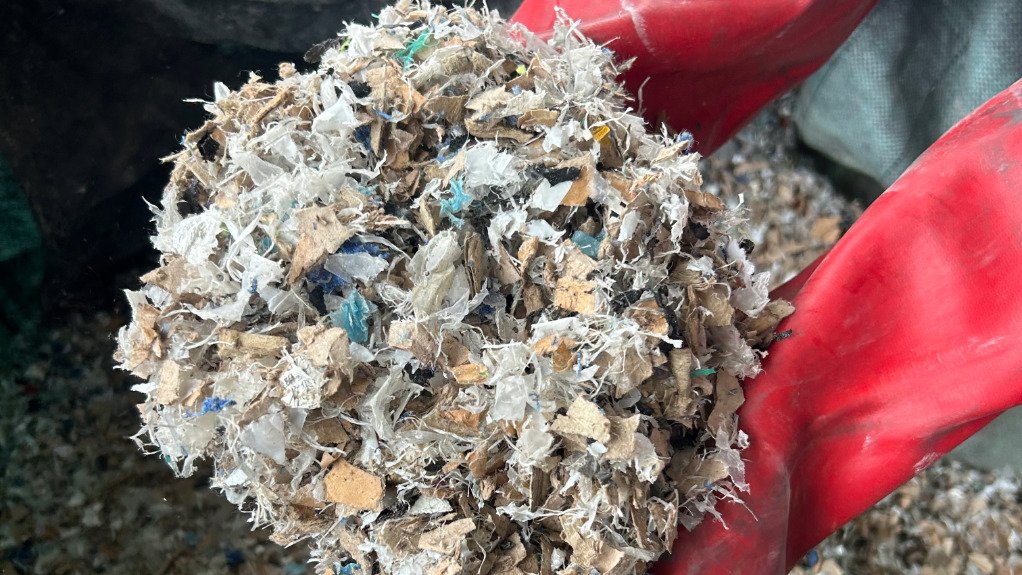
REFUSE REUSE Oricol Environmental converts hazardous waste and high-calorific materials into alternative fuels for cement kilns
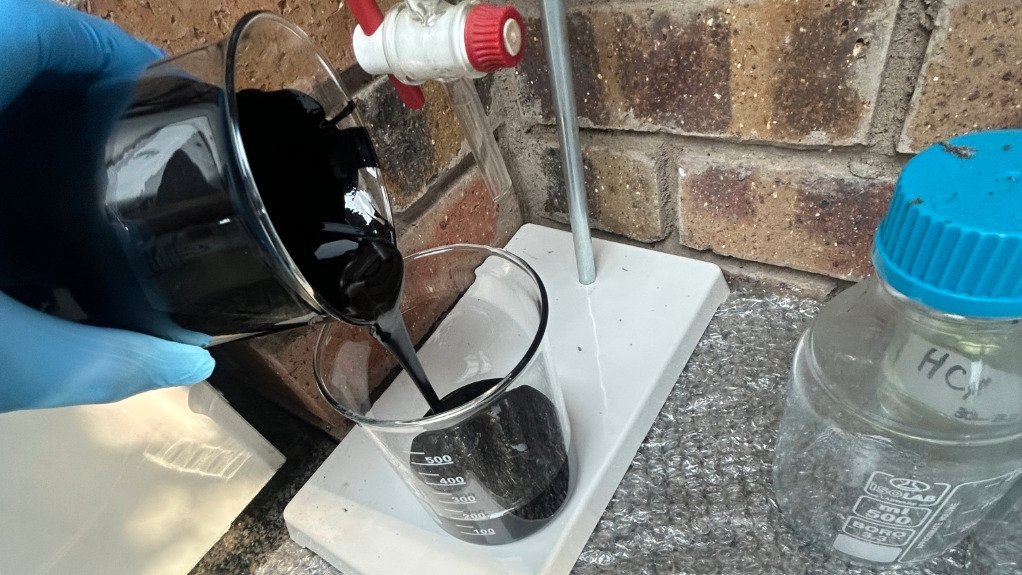
LIQUID ALTERNATIVE The liquid fuel alternative offered to cement manufactures by Oricol Environmental Services can greatly reduce their reliance on coal


Converting hazardous waste and high-calorific materials into alternative fuels has enabled cement manufacturing facilities to partially or fully replace the coal used to fire cement kilns.
Replacing coal has helped cement manufacturers to reduce their reliance on traditional energy sources for one of the most energy- intensive industrial operations, says waste management company Oricol Environmental Services. Its blending technology produces alternative fuels to help manufacturers reduce costs.
“While the actual figure of decreased coal reliance for these manufacturers is highly variable and largely dependent on the type of kiln and the availability of suitable waste streams for processing, a realistic estimate is a coal substitution rate of up to 30%,” says Oricol national technical manager Peter Allen.
However, the infrastructure to treat and recover more hazardous waste exists, with Oricol’s KwaZulu-Natal and Gauteng facilities, for example, offering multi-pathway treatment capacity.
At Cato Ridge, Oricol operates a licensed hazardous waste blending facility, which receives hazardous liquid and solid waste streams and blends them to produce alternative fuel for these cement kilns.
The facility’s current capacity is about 1 000 t a month, with the potential to increase capacity with moderate investment.
All fuel produced goes to cement kilns for consumption, apart from a relatively small amount of “good-quality oil” that is delivered to oil recyclers.
“For industrial waste generators in KwaZulu-Natal, the facility offers something that has been in short supply: a viable, non-landfill pathway for their hazardous waste,” Allen stresses.
Further, at Oricol’s hazardous waste facility in Gauteng, hazardous liquids and solids are received and assessed and then routed to the most appropriate treatment stream.
“Chemical waste is depackaged and treated for safe destruction, while waste oils, solvents and hydrocarbons are reclaimed for reuse,” he explains.
Recyclable hazardous materials are recovered through specialist downstream partners and, when direct recycling is not viable, physical and chemical treatment processes are employed to reduce toxicity to ensure that the residual material meets safe handling thresholds.
The process at these treatment plants includes filtration, to remove foreign material that could damage pumps and block nozzles; water separation and treatment, as moisture levels in the fuel are crucial from a quality perspective; blending, to achieve a homogenous fuel to avoid layering in the tanks; additional filtration, particularly when loading tankers for outbound transport to the kiln; and analysis, which occurs throughout the entire process.
He stresses that both facilities operate according to ISO 14001, ISO 45001 and ISO 9001 certification.
Meanwhile, Oricol’s third facility, in Gqeberha, Eastern Cape, can provide hazardous waste treatment pathways using either a network of recycling partners or by directing incoming hazardous waste volumes to one of its specialised sites.
Making the Switch
Allen explains the co-processing of hazardous waste-derived fuel in cement kilns requires the kilns to significantly modify their fuel feed systems.
“Alternate fuels can be liquid, sludge or shredded solid material – all requiring significant investment on the part of the kiln in terms of process upgrades,” he says.
The cement kilns, therefore, need suppliers to commit to delivering a significant volume of suitable material before making the investment, which can prove problematic.
Transport logistics also plays a role: the Cato Ridge facility’s capture area for liquid and sludge wastes spans KwaZulu-Natal, the Eastern Cape and Gauteng; therefore, the distance from the supply points to the kiln locations will influence the volumes that are practically viable.
Regulatory approvals and permitting for co-processing at a kiln site are mandatory, as co-processing arrangements require the receiving cement plant to have the appropriate environmental authorisations in place.
The South Africa Draft National Waste Management Strategy 2026 explicitly supports the treatment and recovery of hazardous waste ahead of disposal, which aligns with the regulatory direction for this type of operation.
“The co-processing model we operate at Cato Ridge is designed to serve the cement industry’s energy needs and the demand from cement producers for a reliable, specification-consistent alternative fuel source is real and growing, particularly as coal costs rise,” concludes Allen.
Article Enquiry
Email Article
Save Article
Feedback
To advertise email advertising@creamermedia.co.za or click here
Research Reports

Projects


Latest Multimedia


Latest News
Showroom
Your global lifecycle technology & service partner for materials & minerals processing equipment for coal, iron ore, copper, manganese & other...
VISIT SHOWROOM
For over 15 years, Lilak Aluminium, a trusted leader in architectural extrusion supply, has delivered excellence to businesses like yours.
VISIT SHOWROOM

Press Office
Announcements
What's On
Subscribe to improve your user experience...
Option 1 (equivalent of R125 a month):
Receive a weekly copy of Creamer Media's Engineering News & Mining Weekly magazine
(print copy for those in South Africa and e-magazine for those outside of South Africa)
Receive daily email newsletters
Access to full search results
Access archive of magazine back copies
Access to Projects in Progress
Access to ONE Research Report of your choice in PDF format
Option 2 (equivalent of R375 a month):
All benefits from Option 1
PLUS
Access to Creamer Media's Research Channel Africa for ALL Research Reports, in PDF format, on various industrial and mining sectors
including Electricity; Water; Energy Transition; Hydrogen; Roads, Rail and Ports; Coal; Gold; Platinum; Battery Metals; etc.
Already a subscriber?
Forgotten your password?
Receive weekly copy of Creamer Media's Engineering News & Mining Weekly magazine (print copy for those in South Africa and e-magazine for those outside of South Africa)
➕
Recieve daily email newsletters
➕
Access to full search results
➕
Access archive of magazine back copies
➕
Access to Projects in Progress
➕
Access to ONE Research Report of your choice in PDF format
RESEARCH CHANNEL AFRICA
R4500 (equivalent of R375 a month)
SUBSCRIBEAll benefits from Option 1
➕
Access to Creamer Media's Research Channel Africa for ALL Research Reports on various industrial and mining sectors, in PDF format, including on:
Electricity
➕
Water
➕
Energy Transition
➕
Hydrogen
➕
Roads, Rail and Ports
➕
Coal
➕
Gold
➕
Platinum
➕
Battery Metals
➕
etc.
Receive all benefits from Option 1 or Option 2 delivered to numerous people at your company
➕
Multiple User names and Passwords for simultaneous log-ins
➕
Intranet integration access to all in your organisation