Manufacturing organisations call for clarity on treasury’s comments on manufacturing, employment

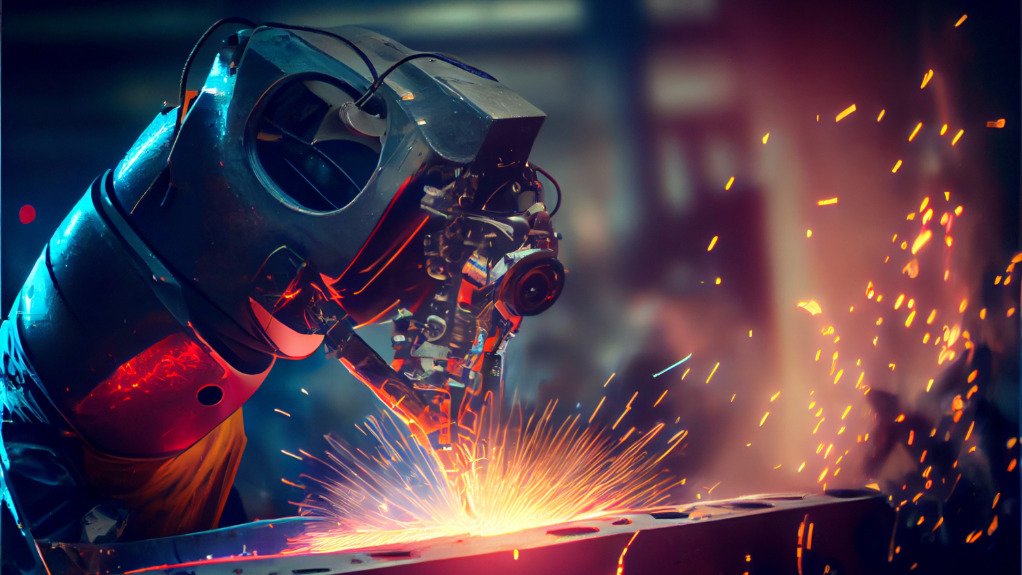



Industry bodies the Steel and Engineering Industries Federation of Southern Africa (Seifsa), the Manufacturing Circle and the Powerline and Substation Association (Polasa) have noted, with concern, recent public comments attributed to the director-general of the National Treasury suggesting that manufacturing is unlikely to be the primary source of future employment growth in South Africa.
“While we acknowledge that the structure of modern economies is evolving and that sectors such as services, tourism and construction have an important role to play in driving economic growth and employment, this comment nevertheless raises important questions regarding the coherence and consistency of South Africa's economic policy direction,” the parties express.
They note that manufacturing has, for many years, been identified by government as a strategic pillar of South Africa's industrial development agenda.
In a joint media release, the industry bodies posit that the sector remains central to the country's productive capacity, export competitiveness, technological advancement and long-term economic resilience.
As one of the most industrialised economies on the African continent, they argue that South Africa cannot afford ambiguity regarding the future role of its manufacturing base.
“Our concern is, therefore, not centred on whether other sectors should grow, they absolutely should, but rather on the policy signal that comments of this nature send to investors, manufacturers and businesses making long-term investment decisions.”
The parties explain that economic policy is shaped not only through legislation and budgets, but also through the signals communicated by senior public officials.
They note that institutions such as Treasury occupy a uniquely influential position in shaping expectations regarding future policy priorities, investment incentives and fiscal support.
For this reason, they argue, consistency in public messaging across government institutions is essential.
“It is equally important to recognise that South Africa's manufacturing challenges cannot simply be attributed to global structural changes or declining labour intensity.
"The sector has faced more than a decade of escalating electricity costs, logistics failures, infrastructure constraints, municipal decline and prolonged policy uncertainty.
“These factors have materially constrained investment, competitiveness and employment growth.”
The industry bodies add that public procurement reform, infrastructure investment and industrial competitiveness remain among the most powerful levers available to government to stimulate domestic manufacturing demand and improve capacity use.
They argue that these are the areas in which coherent policy implementation remains critically important.
“The manufacturing sector does not seek preferential treatment above other sectors of the economy. Rather, it seeks a stable, predictable and consistent policy environment that reinforces government's stated commitment to industrialisation, investment and economic growth.”
They argue, therefore, that it is vitally important that Treasury provides clarity on how these comments align with government's broader industrial policy objectives and long-standing commitment to growing South Africa's manufacturing capability.
“At a time when countries around the world are strengthening their manufacturing sectors through industrial policy and strategic investment, South Africa must ensure that its own policy signals inspire confidence rather than uncertainty”.
Seifsa, the Manufacturing Circle and Polasa say they remain committed to working constructively with government and all social partners to advance policies that strengthen South Africa's industrial base, create sustainable employment and improve the country's long-term economic competitiveness.
Article Enquiry
Email Article
Save Article
Feedback
To advertise email advertising@creamermedia.co.za or click here
Research Reports

Projects
Latest Multimedia


Showroom

Astore Keymak is one of South Africa’s leading suppliers of high-quality Thermoplastic Pipeline Systems, with branches in the major provinces.
VISIT SHOWROOM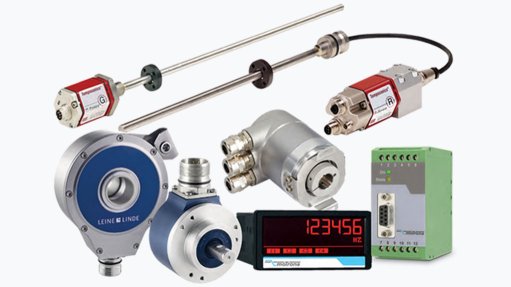
ATI systems comprises five divisions: electrical assemblies, drives and controls, feedback sensors, enclosures, and strip guiding.
VISIT SHOWROOM


Press Office
Announcements
What's On
Subscribe to improve your user experience...
Option 1 (equivalent of R125 a month):
Receive a weekly copy of Creamer Media's Engineering News & Mining Weekly magazine
(print copy for those in South Africa and e-magazine for those outside of South Africa)
Receive daily email newsletters
Access to full search results
Access archive of magazine back copies
Access to Projects in Progress
Access to ONE Research Report of your choice in PDF format
Option 2 (equivalent of R375 a month):
All benefits from Option 1
PLUS
Access to Creamer Media's Research Channel Africa for ALL Research Reports, in PDF format, on various industrial and mining sectors
including Electricity; Water; Energy Transition; Hydrogen; Roads, Rail and Ports; Coal; Gold; Platinum; Battery Metals; etc.
Already a subscriber?
Forgotten your password?
Receive weekly copy of Creamer Media's Engineering News & Mining Weekly magazine (print copy for those in South Africa and e-magazine for those outside of South Africa)
➕
Recieve daily email newsletters
➕
Access to full search results
➕
Access archive of magazine back copies
➕
Access to Projects in Progress
➕
Access to ONE Research Report of your choice in PDF format
RESEARCH CHANNEL AFRICA
R4500 (equivalent of R375 a month)
SUBSCRIBEAll benefits from Option 1
➕
Access to Creamer Media's Research Channel Africa for ALL Research Reports on various industrial and mining sectors, in PDF format, including on:
Electricity
➕
Water
➕
Energy Transition
➕
Hydrogen
➕
Roads, Rail and Ports
➕
Coal
➕
Gold
➕
Platinum
➕
Battery Metals
➕
etc.
Receive all benefits from Option 1 or Option 2 delivered to numerous people at your company
➕
Multiple User names and Passwords for simultaneous log-ins
➕
Intranet integration access to all in your organisation