Receive our free daily newsletter:
South African Astronomical Observatory
South African Astronomical Observatory Updates
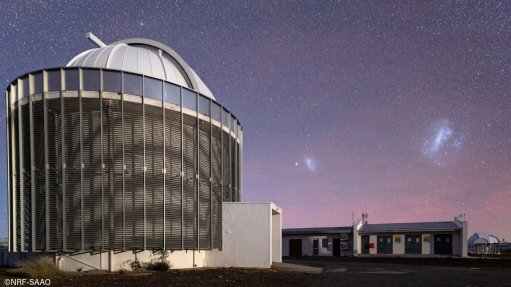
An Anglo-South African project is employing AI and digital technologies to automate optical and infrared telescopes and make them “smarter”, that is, able to monitor themselves, immediately process...
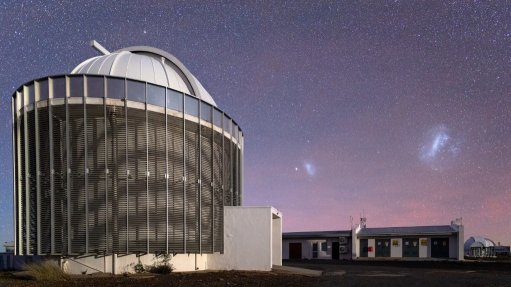
The Science and Technology Facilities Council (STFC) Hartree Centre is working with the South African Astronomical Observatory (NRF-SAAO), a leading centre for optical and infrared astronomy, to...
The Southern African Large Telescope (SALT) is about to begin observing selected astronomical alerts issued by the Vera C. Rubin Observatory, marking an important step in South Africa’s...
The Office of Astronomy for Development (OAD), a partnership of the National Research Foundation (NRF) with the International Astronomical Union (IAU) under the Department of Science, Technology...
The Office of Astronomy for Development (OAD), which is a partnership between South Africa’s National Research Foundation (NRF) – an agency of the Department of Science, Technology and Innovation...

The Southern African Large Telescope (SALT) has been used, by international astronomers, to solve a “cosmic mystery”. Located in the South African Astronomical Observatory complex at Sutherland in...

Astronomers using the Southern African Large Telescope (SALT) have solved a cosmic mystery surrounding one of the most extreme stars known, WOH G64. While recent dramatic fading led many to believe...
 |
 |
1 |
 |
 |
Research Reports


Projects


Latest Multimedia

Subscribe to improve your user experience...
Option 1 (equivalent of R125 a month):
Receive a weekly copy of Creamer Media's Engineering News & Mining Weekly magazine
(print copy for those in South Africa and e-magazine for those outside of South Africa)
Receive daily email newsletters
Access to full search results
Access archive of magazine back copies
Access to Projects in Progress
Access to ONE Research Report of your choice in PDF format
Option 2 (equivalent of R375 a month):
All benefits from Option 1
PLUS
Access to Creamer Media's Research Channel Africa for ALL Research Reports, in PDF format, on various industrial and mining sectors
including Electricity; Water; Energy Transition; Hydrogen; Roads, Rail and Ports; Coal; Gold; Platinum; Battery Metals; etc.
Already a subscriber?
Forgotten your password?
Receive weekly copy of Creamer Media's Engineering News & Mining Weekly magazine (print copy for those in South Africa and e-magazine for those outside of South Africa)
➕
Recieve daily email newsletters
➕
Access to full search results
➕
Access archive of magazine back copies
➕
Access to Projects in Progress
➕
Access to ONE Research Report of your choice in PDF format
RESEARCH CHANNEL AFRICA
R4500 (equivalent of R375 a month)
SUBSCRIBEAll benefits from Option 1
➕
Access to Creamer Media's Research Channel Africa for ALL Research Reports on various industrial and mining sectors, in PDF format, including on:
Electricity
➕
Water
➕
Energy Transition
➕
Hydrogen
➕
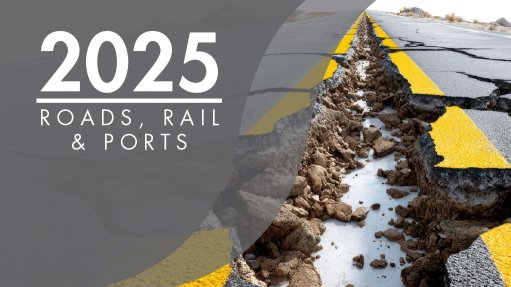
Roads, Rail and Ports
➕
Coal
➕
Gold
➕
Platinum
➕
Battery Metals
➕
etc.
Receive all benefits from Option 1 or Option 2 delivered to numerous people at your company
➕
Multiple User names and Passwords for simultaneous log-ins
➕
Intranet integration access to all in your organisation