GFMS CEO Paul Walker talks about the gold price and his golden hair,
National tooling initiative to revitalize the South African tooling industry,
And Eqstra looks into the rail and power generator sectors
Shannon O'Donnell:
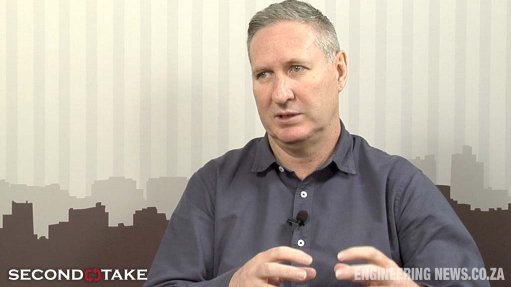
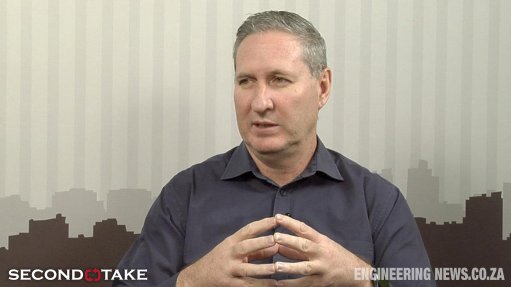
Mining Weekly editor Martin Creamer caught up with long-haired gold specialist Paul Walker in Johannesburg and demanded to know why he was prepared to wager his long locks on the gold price failing to reach $1 200 an ounce this year.
Martin Creamer:
One of the most pronounced features of GFMS CEO Paul Walker is his long hair, yet he is
pretty convinced that he will not be shaving his head at any time in the near future, and that it will be Gold Fields CEO Ian Cockerill who will be handing him a bottle of Krug champagne when he wins his bet that the gold price won't reach $1 200 per ounce in 2008.
GFMS CEO Paul Walker
Shannon O'Donnell:
We'll be back after this short commercial break.
Shannon O'Donnell:
The South African toolmaking sector is said to be in a "sorry state of collapse". Christy van der Merwe reports on the multi-stakeholder initiative to transform this industry into a competitive and sustainable one.
Christy van der Merwe:
Manufacturing in South Africa is a driver of economic growth, but there can be no manufacture without the tools, dies and moulds to make a product. Yet, instead of locally feeding its almost Six billion rand tooling requirement, South Africa imports about 4,8 billion rands worth of tooling equipment.
The South African toolmaking industry is a shadow of its former self, and the average age of a toolmaker is 55.
Dirk Van Dyk, Director, National Tooling Initiative Programme
Christy van der Merwe:
But there are plans to turn this around by 2014, and give new life to the industry under the programmes of the National Tooling Initiative, which hopes to integrate efforts and draw funds from national departments of education and science and technology, MERSETA, international funding capacities, and implement these programmes at a regional level. Budget estimates have indicated that this turnaround would require about R9-billion.
Bevan Davis, Chairperson, Tasa Gauteng
Christy van der Merwe:
The five concurrent focus areas of the NTI are: skills development, technology recapitalisation, sector transformation, competitiveness improvement and export development, and a solid public private partnership governance structure.
Nepo Kekana, COO, Gauteng Tooling Initiative
Shannon O'Donnell:
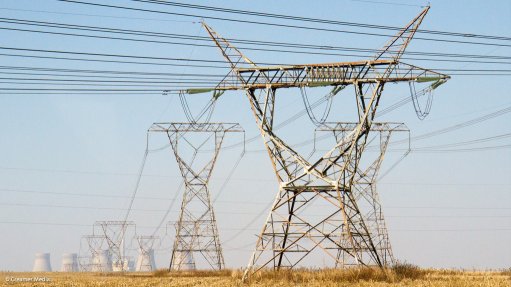
While the load shedding blues wreak their daily havoc on South Africa, companies supplying generators have been cashing in. Soon-to-be-listed Eqstra is looking to increase its exposure to this lucrative market, and is also planning on buying companies in the rail sector. Matthew Hill reports.
Matthew Hill:
Integrated leasing and capital equipment group Eqstra, which Imperial is spinning off in a JSE-listing inked for May 12, already has a small interest in the mobile and standby generator industry, but it wants more says CEO Walter Hill.
The company is on the lookout for acquisitions, and another item on its shopping list is a firm in the rail sector, he says.
Eqstra CEO Walter Hill
Matthew Hill:
This comes soon after one of its biggest competitors, Barloworld Equipment, announced that it would supply 500 MW of Caterpillar generators into the country this year, to be followed by a further 1 000 MW next year.
Eqstra was leaving the fold of diversified industrial conglomerate Imperial because it had a higher gearing than its parent.
Unbundling would allow the company to raise more debt, thereby creating more capacity for growth.
Shannon O'Donnell:
And now for a sneak preview of this week's Engineering News magazine:
We go inside the development of South Africa's new R200-million, high-tech Marion Island science hub
We report on the Engineering Council of South Africa's explanation on why it objects to the new framework for the profession
And, we investigate Rand Water's assurance that it will be able to continue delivering high-quality water to all its customers and high-end users.
And in Mining Weekly this week:
South Africa's State Diamond Trader CEO Abbey Chikane states that demand for rough diamonds is 200% greater than supply.
Junior gold-miner Pamodzi Gold reports that it will spend R60-million to repair and refurbish engineering infrastructure at its President Steyn mine.
And, a geologist explains that up-skilling is a priority for junior exploration companies in order to beat the critical skills deficit.
Shannon O'Donnell:
That's Creamer Media's Real Economy Report. Join us again next week for more news and insight into South Africa's real economy.
To subscribe to Engineering News's print magazine email subscriptions@creamermedia.co.za or buy now.