Software development company Dariel Solutions sponsors the independent, nonprofit Vuleka School by setting up computers, networking, asymmetric digital subscriber lines and Internet connectivity through Internet service pro- viders to expose the learners to information technology (IT) at an early age.
Vuleka is a multicampus Christian preschool and primary school, which offers education to HIV/Aids orphans and to underprivileged children. It started, in 1989, with the aim of preparing learners to enter secondary schools. Each year, many graduating students are reportedly granted scholar- ships by some of the best private schools in Gauteng province.
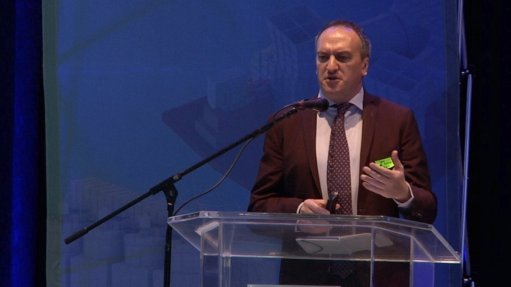
Dariel Solutions recognised that many underprivileged school-leavers were ill-equipped in the IT field and might possibly not see or use a computer before high school. However, private school graduates are exposed to computers from a much earlier age and are proficient in their use, says Dariel Solutions executive director Greg Vercellotti.
The company has found that these learners are at a disadvantage if they enter into Bachelor of Science (BSc) degrees and often do not qualify. It is for this reason that the company chose to sponsor Vuleka and give its learners an opportunity to become computer literate before they enter high school. “Hopefully, this will empower them, give them a passion for computers and motivate them to enter the BSc world,” he says.
Dariel Solutions hopes to help Vuleka buy learning software for other subjects. The company has been involved in the school for three years. Vercellotti believes that, if enough companies get involved in similar programmes, the whole industry will benefit as these learners may enter the science fields and the job market in the future.
The company also assists honours students, at the University of Pretoria, with projects based on a real-world problem, provided by the company and which is part of the final project evaluation. A laptop and skills training are sponsored as prizes for the best project. He says that the company’s involvement provides it with useful insight into the philosophies of universities, what they are working towards and the skills they are imparting to students.
He believes that some universities are quite isolated from industry in terms of their programmes and curricula, using dated teaching techniques and teaching languages irrelevant to the modern economy. As a result, these students are not acquiring the skills and the training that they need to be successful when they enter the job market, he says.
Vercellotti says that there are not enough students and candidates of the right quality entering the IT industry. “The industry needs to do as much as possible to train and retain the employees it has and attract new people. There is such a shortage that, unless something is done, the industry will have severe long-term problems,” he says.
In-House Training
Meanwhile, Dariel Solutions hires software developers, project managers, analysts and architects and uses these specialist skills to deliver projects for its clients. As the appropriate level of skills is needed to deliver the projects, training is a strategic element of the business and is structured into three streams.
One stream is a one-year internal programme composed of two-hour tutorials every second week, which is mandatory for junior employees, but open to other employees. The training programme is based on current field trends and client requirements and is run by experienced senior employees. The course is more pragmatic than theoretical and structured to equip students with the skills needed in the company, in the field and by clients, he says.
Another stream is the yearly specialist training programme, open to staff as well as the wider industry, in a new technology selected by the company. An international expert in the field is brought out to run an intensive master class for five days, which involves an investment of about R500 000 from the company. However, he says that the value of this initiative for the company and the industry is significant. Dariel Solutions may increase the frequency of the programme yearly, owing to the need for specialist international training in the country.
Lastly, there is a commercial external training programme for specialised skills, where the employee will be sent on a course run by a specific service provider.
He advises companies to evaluate which skills are core to the business and which are the specialist skills. The company trains staff internally, where skills relate to its core business, ensuring consistency and quality. Vercellotti explains that this practice means that all staff members have been through the same training process and are able to work together efficiently when project teams are established.