Creamer Media’s Engineering News Online
Advanced Search


We have detected that the browser you are using is no longer supported. As a result, some content may not display correctly.
We suggest that you upgrade to the latest version of any of the following browsers:
         
close notification
powered by
GOLD 1376.91 $/ozChange: -9.02
PLATINUM 1463.00 $/ozChange: -23.50
R/$ exchange 9.55Change: -0.14
R/€ exchange 12.33Change: -0.25


EDUCATION
 
Digital media being deployed as a learning tool
 
13th April 2012
TEXT SIZE
Text Smaller Disabled Text Bigger
 

In the digital age we live in, a project which started off as a pilot during the 2010 FIFA World Cup soccer tournament is bringing twenty-first century learning to South African youth, teaching them about the use of multimedia tools as a learning tool and communication platform.

The iSchoolAfrica initiative offers learners an opportunity to provide television content. At the start, it partnered with M-Net’s Magic is Channel and now Mzansi Magic is to broadcast this content. Since 2010, several other broadcast and online channels have also been distributing the content.

The project uses Apple Mac computer equipment and software and was started by Think Ahead, a specialist in integrating technology into the classroom. “It is about giving young South Africans a voice about issues that affect them and also equipping young people with a wide range of skills,” says iSchool Africa editorial manager Laurice Taitz.

The project is about exposing learners to using digital equipment, such as the Macbook, tripods, cameras and microphones, to form a youth press club at their schools to develop the skills to operate the equipment.

“The target learners for the press club range from grade 8 to grade 11, because the matric year is a busy year for learners but, recently, we started working with two primary schools. The training not only includes the focus on technical skills, such as camera work and editing, but also enables editorial and personal skills such as presentation, interviewing and structuring narratives.

“Through the press club, learners also get the opportunity to use the equipment to record events at their schools, as well as cover news events and create topical content on themes, such as human rights,” she says.

iSchool Africa partners include the Department of Rural Development, which sponsors equipment for schools located in rural areas; Vega School of Branding, which initially provided the training; and leisure group Peermont, which currently sponsors seven high schools – one in Germiston and six other Gauteng-based schools.

Peermont School Support Programme coordinator Sarah Benjamin says that Peermont, as funder of the programme, has a five-year plan to create centres of excellence in previously disadvantaged schools, focusing on leadership and management, academic interventions and extracurricula activities.

“This is our third year in this R40-million project and, for us, it is not about financial gain but about long-term social investment and providing learners with the opportunities to better themselves to be knowledgeable citizens in future. Further, we have installed 40-seater computer laboratories in each of the schools that we sponsor,” says Benjamin.

“Our focus with the initiative is to create a platform for skills development at school-going age in fields such as communication, editorial production, editing, research and interviewing skills. Our model for the project is school-based and, each quarter, we facilitate workshops that expose learners to different aspects of media production and to media personalities, while providing ongoing training and facilitation for the press club,” says Taitz.

Another aim is to expose the learners to the vast career opportunities in the media sector and, by experiencing first-hand how the industry operates, they will be able to make informed decisions after matric. Last year, the programme arranged for learners to do job shadowing at an advertising agency, a radio station and a magazine editorial office. To date, just over two years into the project, many of the learners who are part of the project are looking forward to furthering their studies to obtain qualifications related to the media industry, she adds.

Every year, new members join the team and this also creates a platform for skills transfer and knowledge sharing. iSchoolAfrica also hosts quarterly workshops to expose the youth to motivational talks by professional media personalities already successful in the industry.

“We have monthly themes for teams depending on what is happening nationally during that month – for example, in March, the theme for the schools video clips was Human Rights Day,” she adds.

To promote the level of competitiveness, there are yearly awards for best presenter and best videos, besides other categories.

To date, significant successes include the growth in confidence levels of learners as a result of the opportunity to cover significant national and community events.

Germiston High School grade 11 learner Luyavuma Bulunga says her confidence levels have grown since she joined the press team, while her classmate, Lerato Lehoko, says he is definitely pursuing a career in the media industry after matric.

There are sponsorship opportunities for corporates that want to sponsor a school. The sponsorship is valid for one year and, for an investment of around R117 000, the beneficiary school receives filming equipment, training facilitation and the opportunity to participate in the quarterly workshop.

Edited by: Martin Zhuwakinyu


To subscribe to Engineering News's print magazine email subscriptions@creamermedia.co.za or buy now.

FULL Access to Mining Weekly and Engineering News - Subscribe Now!
Subscribe Now Login


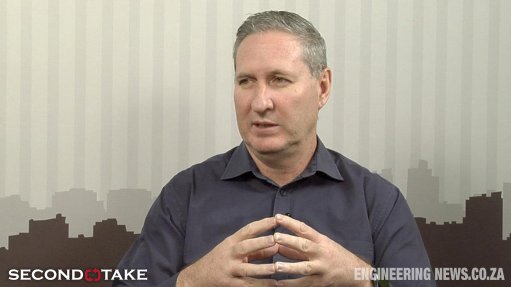
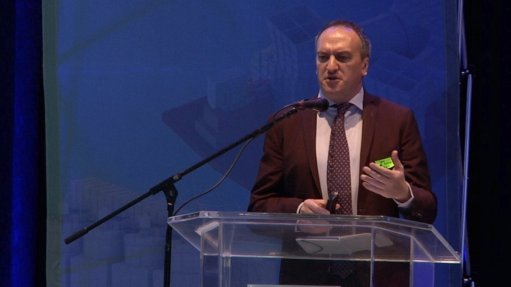
Peermont CSR programme coordinator Sarah Benjamin and iSchool Africa editorial manager Laurice Taitz discuss the success of the project.
This video is licensed under a Creative Commons License
GET SELECTED VIDEO
Embed
Selected Video Download (8.49mb)
 
LAURICE TAITZ The project is about exposing learners to technological equipment, such as the Macbook with its iMovie editing software, tripods, cameras and microphones
 
Picture by: Darlene Creamer
LAURICE TAITZ The project is about exposing learners to technological equipment, such as the Macbook with its iMovie editing software, tripods, cameras and microphones