Creamer Media’s Engineering News Online
Magazine in Store Now!
Advanced Search
 
 
powered by
GOLD 1076.83 $/ozChange: 11.82
PLATINUM 1503.50 $/ozChange: 23.50
R/$ exchange 7.71Change: 0.02
R/€ exchange 10.62Change: -0.05
 
 
Biogas recovery project 
to reduce fossil fuels 
dependence
0 COMMENTS  |  
ADD A COMMENT PRINT
 
 
2nd October 2009
TEXT SIZE
Text Smaller Disabled Text Bigger
 

Beverage producer and distributor South African Breweries (SAB) Alrode plant has developed a biogas 
recovery project to reduce 
dependence on fossil fuels to provide energy for the plant.

The project has two phases, 
firstly treating the brewery’s wastewater biologically and, 
secondly using its biogas by-product as an alternative energy 
source for the boiler.

The biogas recovery project’s first phase primarily treats the brewery’s effluent by converting organic material into methane gas by means of the anaerobic 
digestion process. The brewery currently produces five-million litres of effluent a day, with an 
organic load of 25 t/d. The anaer-
obic digester converts 90% of the organic load into biogas, which equates to 9 265 Nm3 of biogas produced each day. The biogas has a methane content of 85%.

During the second phase of the project, also referred to as the 
biogas train, the biogas by-product from the first phase is used to supply fuel to fire a new dedicated 
biogas boiler, instead of being released into the environment. This fuel switching allows for a decrease in the consumption of 10,4 t/d of coal. “In effect, while we are treating effluent, we are also creating a green energy opportunity,” says environmental engineering company Talbot & Talbot green energy division business development manager Grahame Thompson.

The project holds many associated benefits for the brewery, the environment and the municipality. A tangible financial benefit for 
the brewery is the decrease in coal consumption, which amounts to a saving of about R7 000 a day, as 
the methane used as replacement 
fuel is essentially free. The 
environment also benefits from the project as the brewery has a 
reduced dependence on or contribution towards the depletion of a nonrenewable resource. In terms of the municipality, a significant amount of electrical energy and money used to treat the effluent aerobically is saved as the effluent is treated on site at the brewery. Further, there are savings realised on the municipal tariffs.

The project was designed and built by Talbot & Talbot, which specialises in the management of 
industrial wastewater and the associated beneficiation opportunities. As a result, the company reports that it can recover green energy from industrial wastewater. The biogas train was deliv-
ered on a full turnkey basis, under 
the project management of Talbot 
& Talbot director and engineering manager Frank Hedley.

SAB’s Alrode plant is a first for the brewery giant in taking steps towards the effective use of the brewery’s effluent and by-products in the generation of a sustainable energy source. As a result, the brewery has been able to drive down production costs and reduce its energy dependence on nonrenewable sources.

Although there are many 
industries in South Africa that use anaerobic digesters as an 
effective way to treat their wastewater, SAB’s Alrode plant is the only of its kind to make optimal use of its biogas. The success and benefits of this project should invariably lead to the roll-
out to other SAB breweries, 
reports the company.

Biogas can be used to generate electrical and thermal energy, 
depending on the breweries’
requirements.

The benefits of fuel switching from fossil fuel and coal to methane, a renewable green energy, are both 
environmental and financial. This project has roll-out prospects to other breweries within the SAB group.

SAB Alrode plant’s biogas 
recovery project is a landmark project, particularly in light of increasing international concern over global warming, the exhaustion of nonrenewable resources 
and escalating energy costs, 
reports the company.


Hide Comments  
 
This article contains no Comments


All comments must be approved by our editors, click here to read the editorial guidelines for comments. Please allow some time for our editors to approve your comment after posting.
 * Required Fields

image
image
 *


image
image
 *
 

image
image
 

Verification Image

image
image
 * Please enter the text you see in the above image.


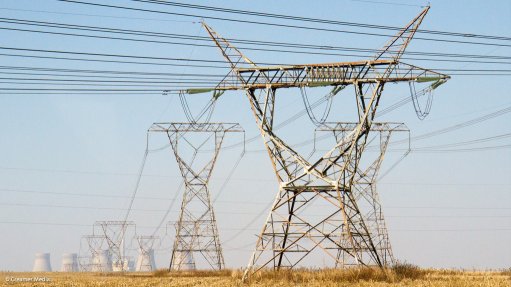
REDUCED DEPENDENCY
The project benefits the environment as the brewery has a reduced dependency or contribution towards the depletion of a non-renewable resource
 
REDUCED DEPENDENCY The project benefits the environment as the brewery has a reduced dependency or contribution towards the depletion of a non-renewable resource